
The White House has rejected a CNN report claiming that a leaked classified U.S. intelligence assessment concluded that last weekend’s military strikes on Iran’s nuclear facilities only set back the country’s program by a few months.
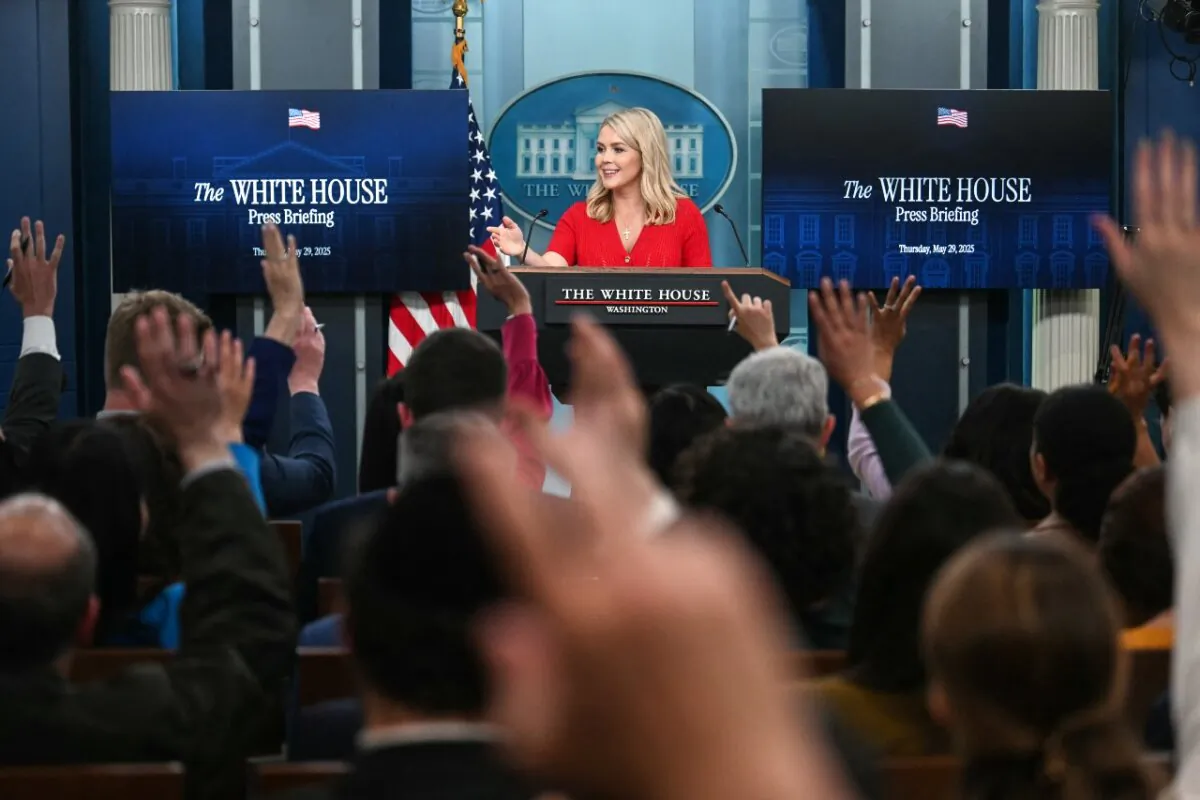
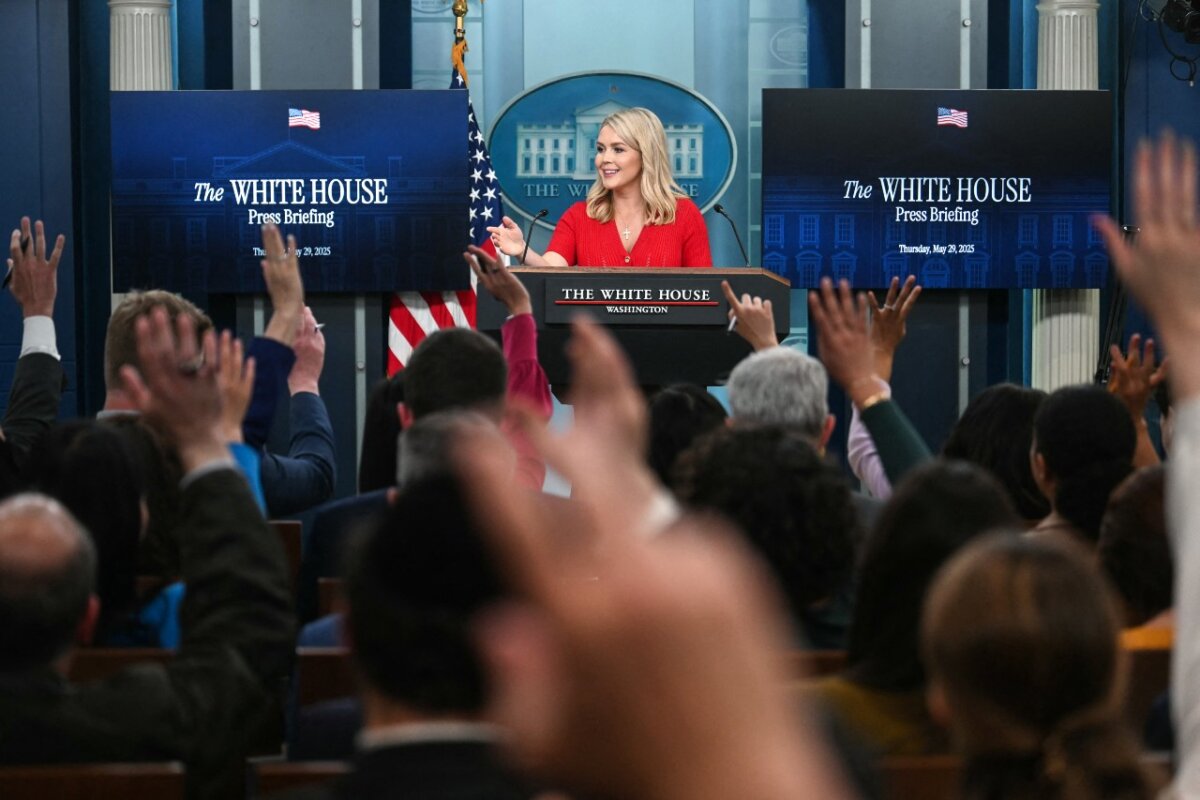
In a statement issued on June 24, White House press secretary Karoline Leavitt said the alleged early Defense Intelligence Agency (DIA) assessment cited by CNN was “flat-out wrong,” and accused the outlet of relying on a “low-level loser in the intelligence community” to undermine President Donald Trump and discredit U.S. fighter pilots.
“The leaking of this alleged assessment is a clear attempt to demean President Trump and discredit the brave fighter pilots who conducted a perfectly executed mission to obliterate Iran’s nuclear program,” Leavitt said. “Everyone knows what happens when you drop fourteen 30,000-pound bombs perfectly on their targets—total obliteration.”
Likewise, Defense Secretary Pete Hegseth dismissed the notion that the strikes were anything less than a total success.
“Based on everything we have seen—and I’ve seen it all—our bombing campaign obliterated Iran’s ability to create nuclear weapons,” Hegseth said in a statement. “Our massive bombs hit exactly the right spot at each target—and worked perfectly. The impact of those bombs is buried under a mountain of rubble in Iran; so anyone who says the bombs were not devastating is just trying to undermine the President and the successful mission.”
CNN reported on Tuesday that an early battle damage assessment produced by the Pentagon’s intelligence arm concluded that the strikes had not destroyed Iran’s centrifuges or its stockpile of enriched uranium. Citing four unnamed sources briefed on the findings, the report said the damage was limited primarily to aboveground infrastructure and that Iran’s nuclear program may only have been set back by at most several months.
The report appeared to contradict Trump’s televised statement on Saturday night that the strikes “completely and totally obliterated” Iran’s nuclear capabilities. On Tuesday morning, Trump doubled down on that assessment, saying, “I think it’s been completely demolished.”
Chairman of the Joint Chiefs of Staff Gen. Dan Caine offered a more cautious tone on Sunday, telling reporters that it was “way too early” to determine whether Iran retained any nuclear capability.
“I know that battle damage is of great interest. Final battle damage will take some time, but initial battle damage assessments indicate that all three sites sustained extremely severe damage and destruction,” Caine told reporters.
“I think BDA [battle damage assessment] is still pending and way too early to comment on what may or may not be there.”
International Atomic Energy Agency (IAEA) Director General Rafael Grossi also offered a cautious assessment, though he remarked that he expects “very significant damage” at Iran’s Fordow nuclear site.
“At this time, no one, including the IAEA, is in a position to have fully assessed the underground damage at Fordow,” he told the agency’s Board of Governors. “Given the explosive payload utilized and the extreme(ly) vibration-sensitive nature of centrifuges, very significant damage is expected to have occurred.”
In a statement, Grossi said that “the degree of damage inside the uranium enrichment halls can’t be determined with certainty.”
Intelligence assessments are ongoing, and a classified briefing for lawmakers—originally scheduled for June 24—has been postponed until June 27, according to House Speaker Mike Johnson (R-La.).
Meanwhile, top House Democrats have raised concerns that the briefing was postponed, delaying what they say is a necessary opportunity to evaluate the Trump administration’s actions in Iran and assess the situation in the Middle East.
“The American people deserve to know the facts and the truth,” House Democratic Leader Hakeem Jeffries (D-N.Y.) told reporters on Tuesday, adding that the Trump administration had not yet presented evidence supporting claims that Iran’s nuclear program was neutralized.
 Friends Read Free
Copy
Facebook
Tweet
Friends Read Free
Copy
Facebook
Tweet