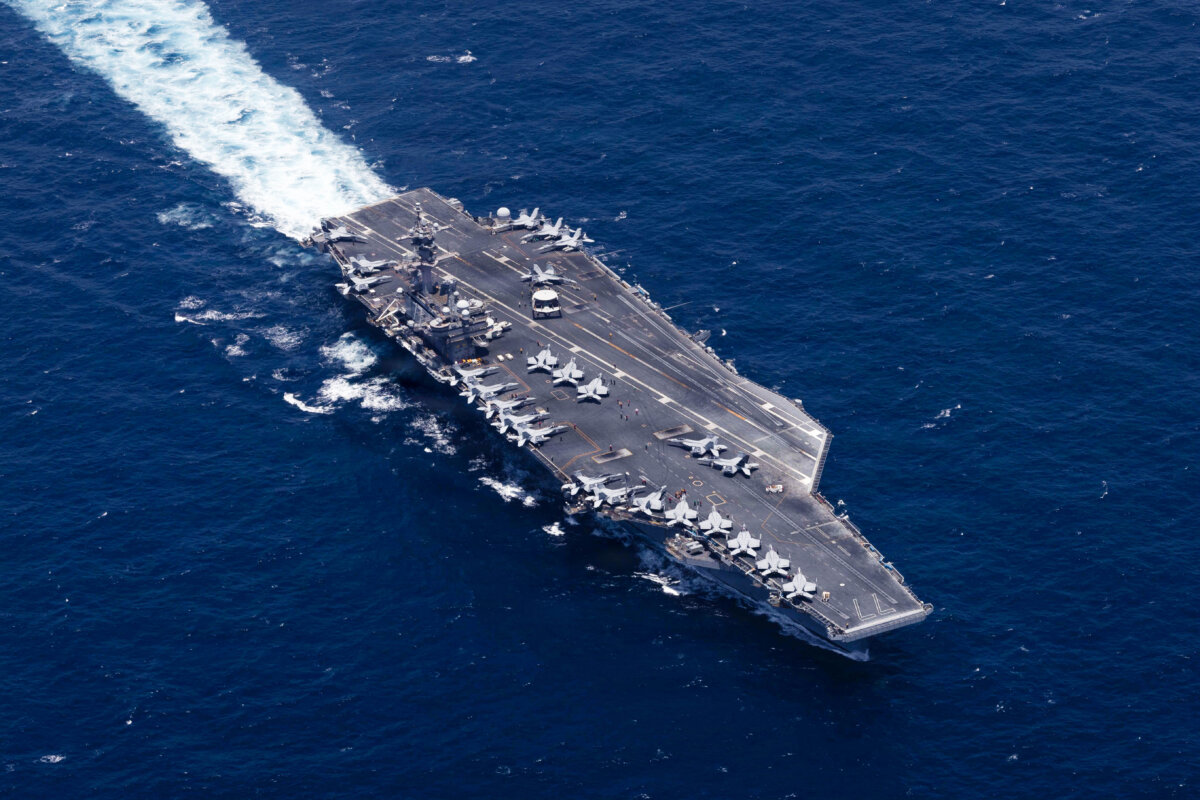

The U.S. Central Command (CENTCOM) said that two aircraft carriers will stay in the Middle Eastern region to keep up a “present and vigilant” posture after the United States and Iran came to an agreement to end hostilities this past week.
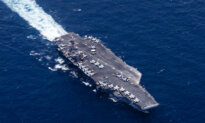
The two ships are the USS George H.W. Bush and the USS Abraham Lincoln, according to CENTCOM, the lead military command overseeing the war against Iran, which began in late February.
In a June 23 post on X that includes a photo of the vessel, CENTCOM said that the George H.W. Bush is sailing in the Arabian Sea.
Over the past weekend, the military command said on X that two U.S. Air Force A-10 attack airplanes were flying “over the Middle East during a routine patrol” and that “U.S. forces continue to be present in the skies, on land, and at sea throughout the region.”
This past week, Iran and the United States signed a memorandum of understanding to end hostilities and set up a 60-day window to finalize an agreement to end the conflict. Among other provisions, a $300 billion fund would be set up for investments in Iran, the Strait of Hormuz would be reopened, and Iran would end its nuclear program.
Vice President JD Vance led a White House negotiating team in Switzerland to hold talks with Iranian officials, and indicated on Monday that the talks were productive.
Meanwhile, President Donald Trump has said the peace talks with Iran are a win for American farmers, writing in a Truth Social post that the unfreezing of sanctioned Iranian cash will be tied to the country purchasing American-grown corn, soybeans, and wheat.
“These are things that are desperately needed by Iran,” Trump said. “This is a humanitarian crisis, and I feel it is necessary to help.”
In that post, Trump said claims that Iran has not agreed to end its nuclear program are false. The president also said that due to “major concessions being made by Iran, I have agreed to allow the Hormuz Strait to remain OPEN, with no further Naval Blockade.”
“However, all ships are remaining in place should it be necessary to reinstitute the Blockade, which seems, at this point, highly unlikely,” he said.
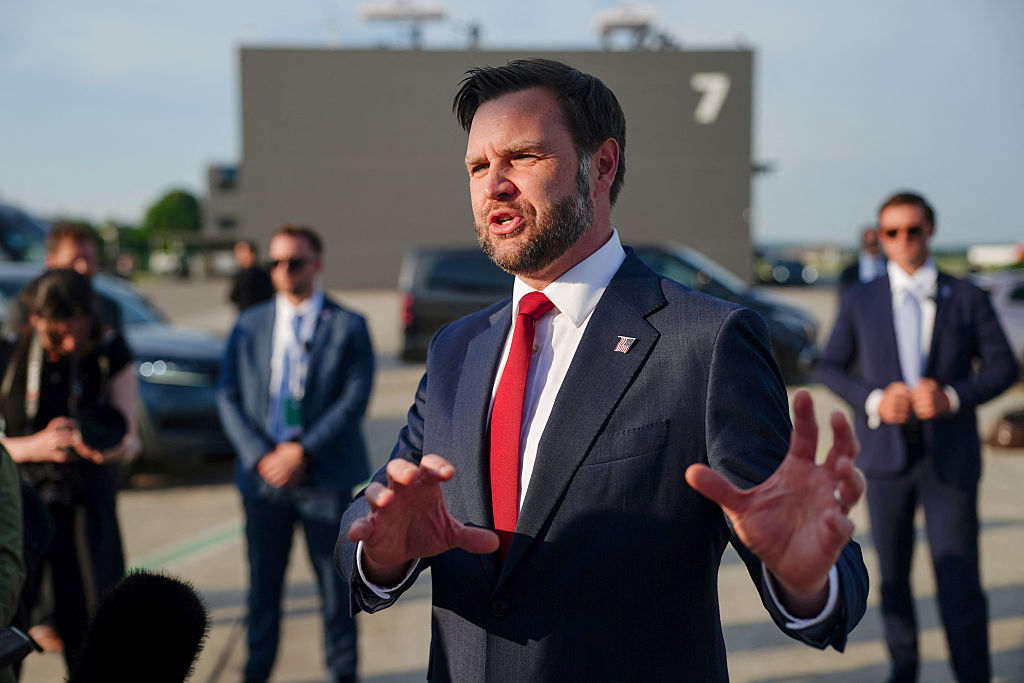
Vance said the talks with Iranian officials in the Swiss mountain resort of Bürgenstock laid a good foundation for a final accord and that Tehran had agreed to allow nuclear inspectors back into the country.
Meanwhile, Iran denied it had begun discussions on its nuclear program at the talks, mediated by Qatar and Pakistan, and said it had not agreed to invite back International Atomic Energy Agency (IAEA) inspectors.
Iranian Foreign Ministry spokesperson Esmail Baghaei said on June 23 that Iranian officials had not held a meeting with IAEA chief Rafael Grossi in Switzerland and had no plans for the U.N. nuclear watchdog to inspect Iran’s damaged nuclear facilities.
Reuters contributed to this report.
 Friends Read Free
Copy
Facebook
Tweet
Friends Read Free
Copy
Facebook
Tweet