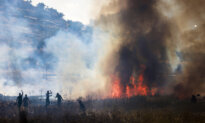

A second Ebola treatment tent in the eastern Congo, the epicenter of the unfolding Ebola outbreak in central Africa, was attacked by angry locals and set on fire on May 23.
No one was injured in the fire, but all patients in the facility were forced to flee the flames, leaving 18 suspected Ebola patients unaccounted for, said Dr. Richard Lokudi, director of the local town hospital. It was a Doctors Without Borders makeshift clinic in the town of Mongbwalu.
“We strongly condemn this act, as it caused panic among the staff and also resulted in the escape of 18 suspected cases into the community,” he told The Associated Press.
Another treatment tent in the neighboring town of Rwampara, about 30 miles away, was attacked and burned on May 21 by family members who were banned from retrieving the body of a local man suspected to have died of Ebola. That treatment facility was run by the medical charity The Alliance for International Medical Action (ALIMA).
Mongbwalu and Rwampara are among the health zones of the Congo’s northeastern Ituri province that have had confirmed cases of Bundibugyo ebolavirus during the outbreak that was declared by local authorities on May 15.
On May 22, authorities in northeastern Congo banned funeral wakes and gatherings of more than 50 people in an effort to curb the spread of the virus.
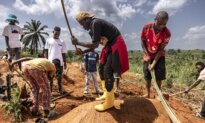
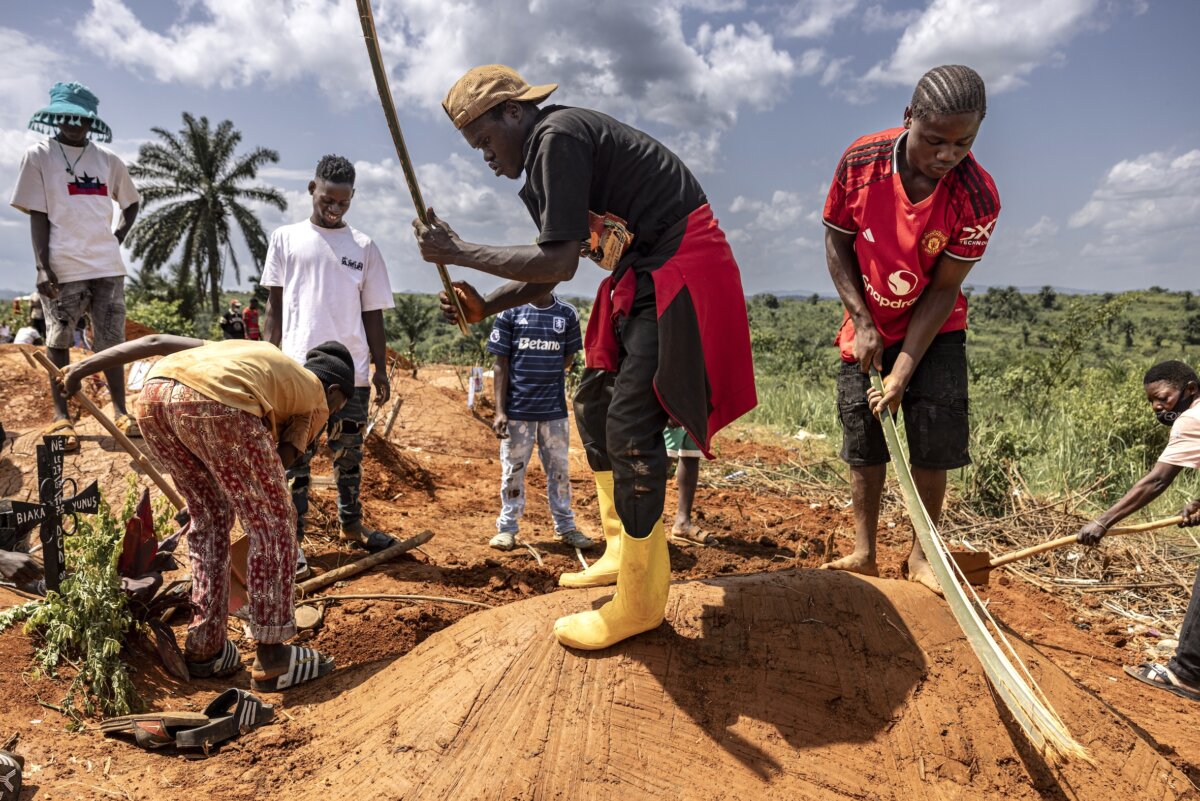
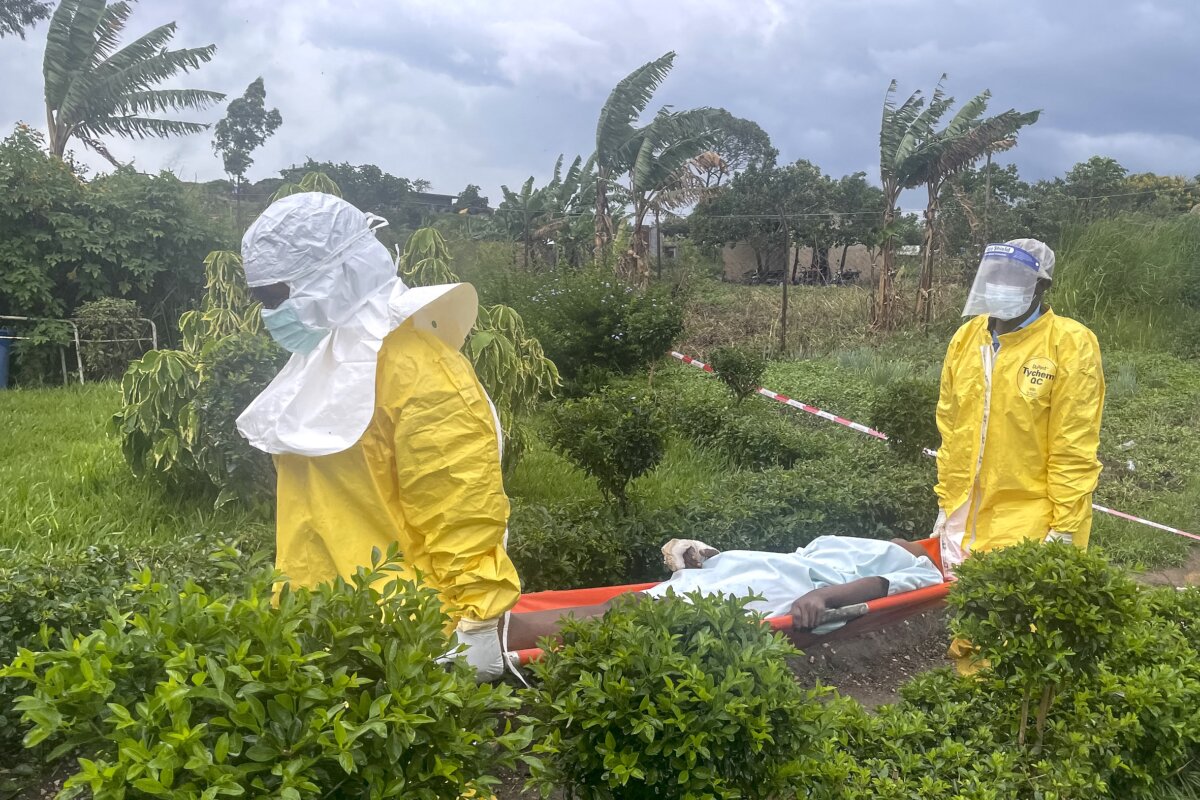
The bodies of Ebola victims can still be a source of contagion of the deadly disease. Some families and friends have been protesting against not being able to bury their loved ones, as health authorities have stepped in to manage the preparation and burial of suspected Ebola victims.
The mortality rate for the Bundibugyo ebolavirus, a rarer strain of Ebola, is lower than for the more well-known Zaire ebolavirus but is still dangerous. A 2007 Uganda outbreak had a mortality rate of 25 percent, while a 2012 Congo outbreak had a mortality rate of 50 percent.
Vaccines and targeted treatments have been developed only for the Zaire ebolavirus, to the concern of the Congo authorities.
A team leader with the Red Cross, David Basima, who is overseeing the burials, said that a communal ceremony for Ebola patients in Rwampara was tense amid clashes between health workers and members of the community.
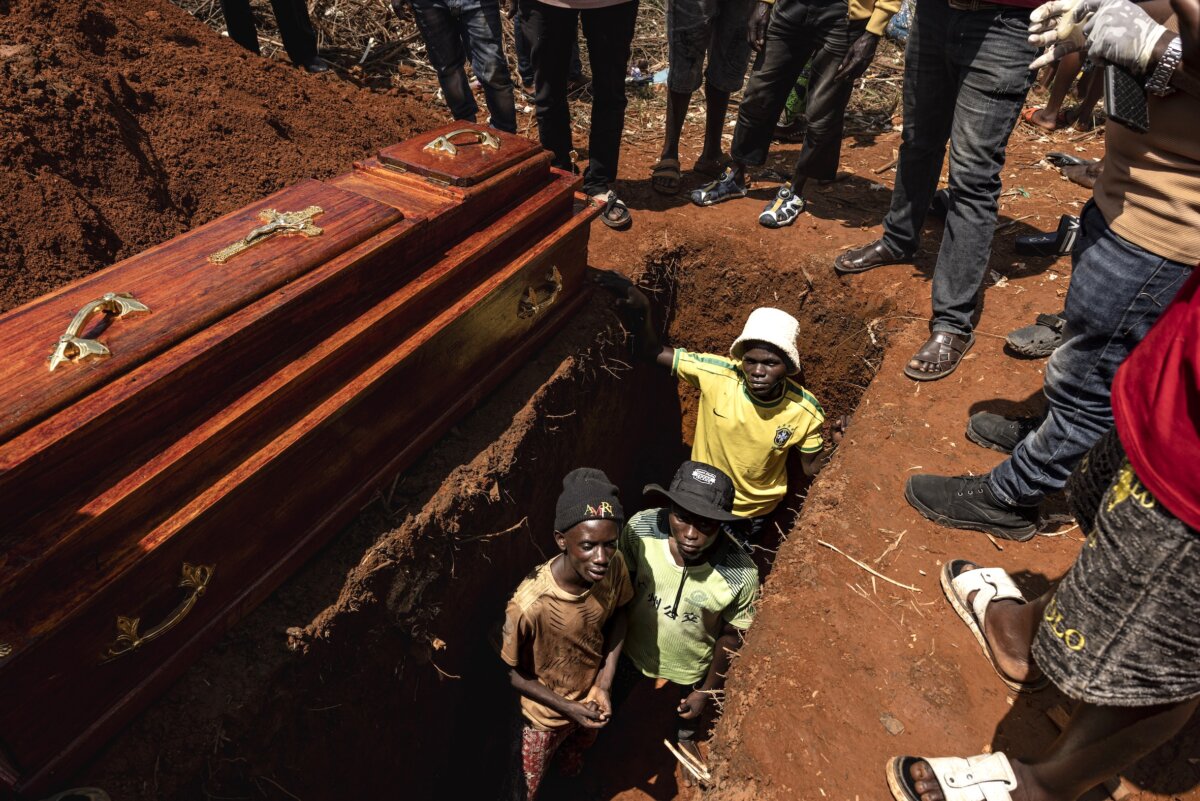
The Red Cross staff “experienced a lot of difficulties, including resistance from young people and the community,” Basima said. “We were forced to alert the authorities so that they could come to our aid, just for safety.”
The outbreak in Congo has been elevated from “high” risk to “very high” risk by the World Health Organization, although the risk of global spread remains low.
In a May 22 update, Congo said it has confirmed 10 deaths from the Bundibugyo virus, with 91 confirmed cases across three of its 26 provinces. There are another 867 suspected cases and 204 suspected deaths.
WHO Director-General Tedros Adhanom Ghebreyesus said on May 22 that the outbreak is believed to be “much larger” than the current data suggest Another confirmed death and one additional unrelated confirmed case have been reported in the Ugandan capital of Kampala.
There is no available vaccine for the Bundibugyo virus, a rare type of Ebola, which spread undetected for weeks in Congo’s Ituri province following the first known death, while authorities tested for another, more common, Ebola virus and came up negative.
Building Trust
Patrick Muyaya, Congo’s government spokesperson and minister of communication and media, condemned any violence against health facilities and medical personnel.
“The population is invited to follow the instructions of the response teams and to apply preventive measures,” he said, urging local residents to remain calm.
“Every citizen has an essential role in preventing Ebola/Bundibugyo virus disease.”
Dr. Jean Kaseya, director-general of the Africa Centres for Disease Control and Prevention, said a response to the outbreak must include building trust with communities.
The International Federation of Red Cross and Red Crescent Societies said on May 23 that three of its volunteers had died from the outbreak in Mongbwalu. The agency said it believed that the three health care workers contracted the virus on March 27 while handling dead bodies as part of a humanitarian mission unrelated to Ebola.
If confirmed, this would significantly push back the timeline of the outbreak from the previous first confirmed death in late April in the town of Bunia, the capital of Ituri.
On May 22, the U.S. Centers for Disease Control and Prevention expanded its travel restrictions to temporarily ban entry for green card holders who have traveled through Congo, Uganda, and South Sudan in the past 21 days, citing the growing outbreak that is at high risk of regional spread. Previously, only foreign nationals faced an entry ban of 30 days.
U.S. citizens and U.S. nationals may return, but only through approved U.S. airports, and are subject to medical screening, monitoring, and quarantine if they present with symptoms.
Zachary Stieber and The Associated Press contributed to this report.
 Friends Read Free
Copy
Facebook
Tweet
Friends Read Free
Copy
Facebook
Tweet