
Five Australians and one New Zealand resident will undergo three weeks of quarantine in Australia after being repatriated from a cruise ship affected by hantavirus, according to the Labor government.
The passengers had been travelling aboard the luxury expedition vessel MV Hondius which docked in Tenerife, Spain on May 10.
The ship departed Argentina in April 1 before a rare hantavirus outbreak emerged onboard claiming three lives.
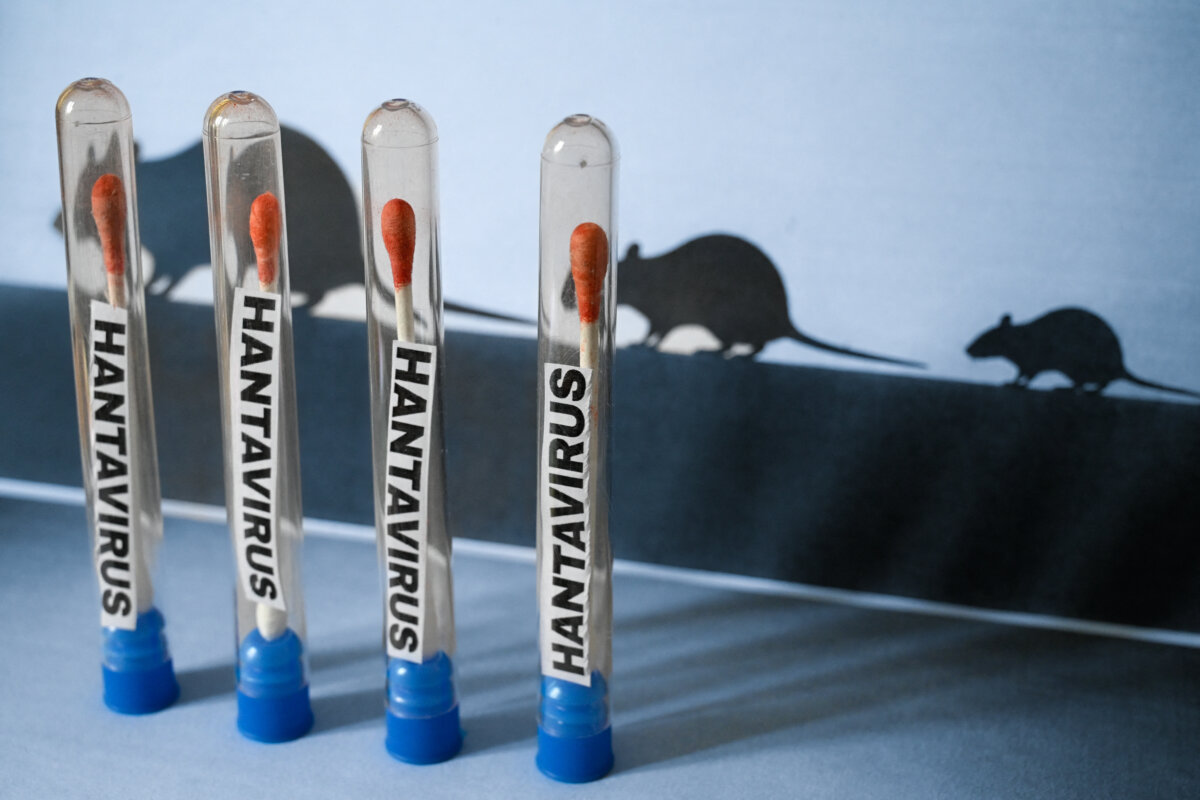
Hantaviruses are a group of rodent-borne viruses that can cause severe, potentially fatal respiratory or kidney diseases in humans.
Health Minister Mark Butler confirmed three Australians were from New South Wales (NSW) and two were from Queensland, noting that they would return via an Australian government supported flight.
Butler said the group would be subject to quarantine at the Bullsbrook Centre for National Resilience, north-east of Perth, next to the RAAF Base Pearce. This facility is owned by the federal government in partnership with WA Health.
The minister also revealed that the hantavirus would be formally listed as a human disease under the Biosecurity Act within the next 24 hours.
“I want to stress that our primary responsibility as a government, obviously, is to keep our community safe and healthy,” he told reporters.
“We also have a responsibility to those passengers to bring them home and to protect them from any risk, no matter how small, of potentially transmitting the virus without knowing it. And these arrangements discharge those responsibilities.”
Butler confirmed that initially the quarantine period would be three weeks and further advice would be sought from state chief health officers on arrangements beyond those three weeks. The virus has an incubation period of 42 days.
He said the government would ensure strong protections for staff on repatriation flights and provide affected travellers with quarantine or isolation advice once arrangements were confirmed.
At the same time, Butler rejected any comparison with COVID-19 pandemic responses, saying the hantavirus is very different.
“I think all of the public health advice about this virus is that it is not a virus with pandemic potential,” he said.
However, the minister confirmed transmission can occur between humans.
“Transmission is very difficult human to human. But that does not mean that there is not a risk of transmission. And as you’ve seen three deaths from eight cases, transmission of this virus can have very, very serious, including deadly consequences,” he added.
Passengers’ Safety Top Priority: Environment Minister
Environment Minister Murray Watt said on May 11 that the welfare of the affected passengers was the Australian government’s top priority.
“I can say though that from the government’s point of view, the safety of these individuals is our top priority when it comes to managing this incident,” he said.
“We of course always step up when Australians get into trouble of some kind overseas. This is nothing that these people have done wrong. They deserve our support and they’ll get our support.”
Watt also confirmed that quarantine measures would be implemented to protect the passengers and the Australian population.
“Quarantine arrangements need to be put in place both to protect those individuals and also to protect the wider population. Those quarantine arrangements are being finalised as we speak with the states and territories,” he said.
Hantavirus Risk to Australia Low: Australian CDC
The Australian Centre for Disease Control (CDC) said the risk of hantavirus to the Australian population remains low, with no recorded human infections in the country.
The virus usually linked with rodents and is spreads via inhalation of dust contaminated by infected rodents’ urine, faeces or saliva.
“It can also occur by direct contact with the urine, faeces or saliva of an infected rodent,” the Australian CDC said on May 8.
The strain involved in the outbreak is the Andes virus, which can in rare cases spread through close and prolonged contact between people.
“Although very uncommon, Andes virus can spread from an infected person who has symptoms through close and prolonged contact, such as people living together,” the CDC added.
 Friends Read Free
Copy
Facebook
Tweet
Friends Read Free
Copy
Facebook
Tweet