As the federal government’s new anti-hate bill is now before the Senate and about to become law, faith leaders are warning that the elimination of religious defence from the Criminal Code could lead to “actual persecution under a cloak of supposed legality.”
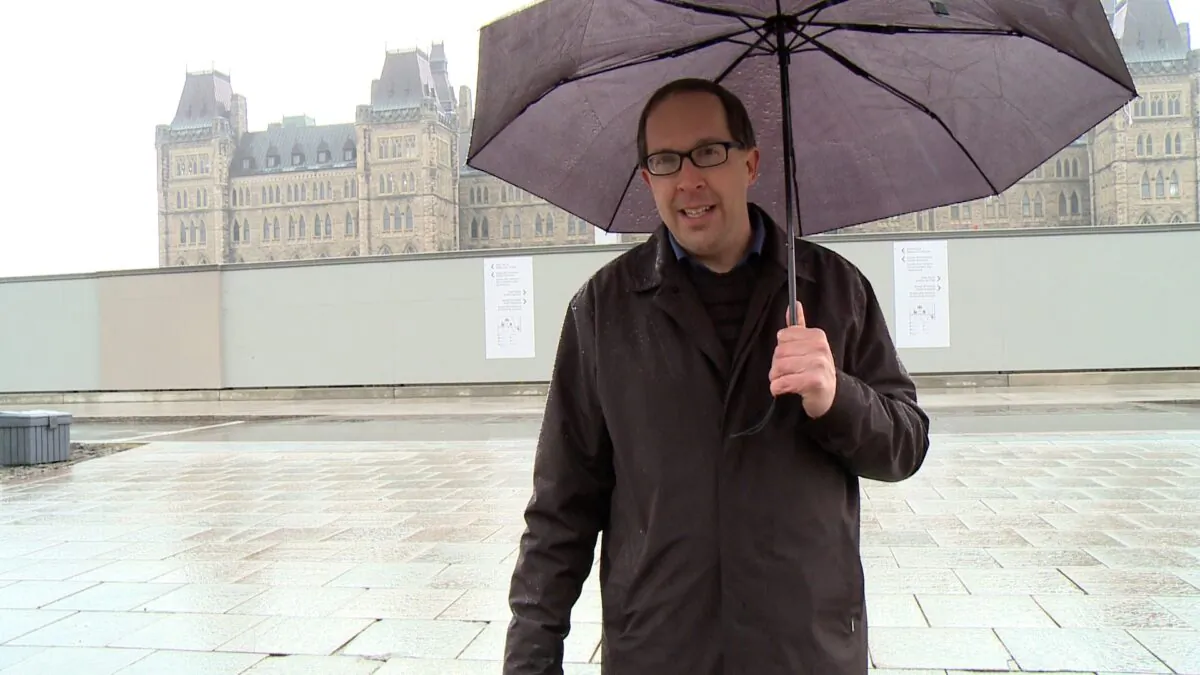
“We could be investigated, arrested, and jailed for merely expressing the tenets of our faith and quoting the word of God,” Christian pastor David Cooke told The Epoch Times.
He said the “most alarming” provision in Bill C-9, also known as the Combatting Hate Act, is the elimination of the religious defence in section 319 of the Criminal Code, which protects Canadians from charges of wilfully promoting hatred when expressing religious beliefs in good faith.
“This historic defence recognizes the fundamental right all Canadians enjoy to publicly express and share their deeply held convictions, beliefs, and values without fear of reprisal,” Cooke said. “This right is absolutely foundational to a free and democratic society.”
Bill C-9 passed the House of Commons on March 25 with the support of the Bloc Québécois, while the Conservatives, NDP, and Green Party voted against it. The bill is now before the Senate and needs to pass the chamber before it can become law.
The bill intends to create new criminal offences associated with intimidation and obstructing access to places of worship, as well as a new offence for intentionally promoting hatred through the public display of certain symbols, including Nazi, Hamas, or Hezbollah flags.
An amendment to the bill that was proposed by the Bloc and adopted by the Liberals removes the religious defence to hate speech in the Criminal Code, which religious groups have opposed, saying it would suppress religious freedom.
Reactions
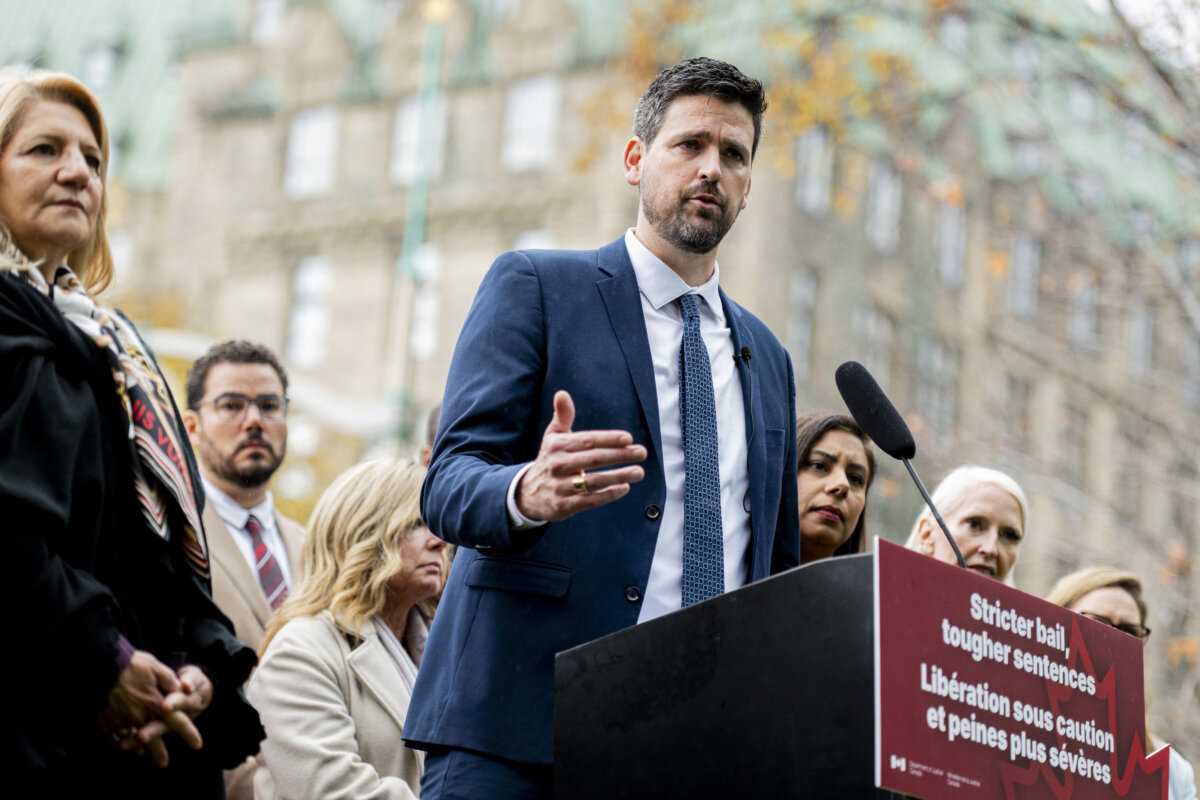
Justice Minister Sean Fraser has defended the amendment, saying freedom of religion in Canada is a “fundamental guarantee” under section 2(a) of the Canadian Charter of Rights and Freedoms and would not be impacted by the amendment.
Speaking in defence of the bill, Culture Minister Marc Miller has said there should be “no defence to the crime of publicly inciting hatred” if someone relied on passages in the Bible or other religious texts that call for death to homosexuals and adulterers.
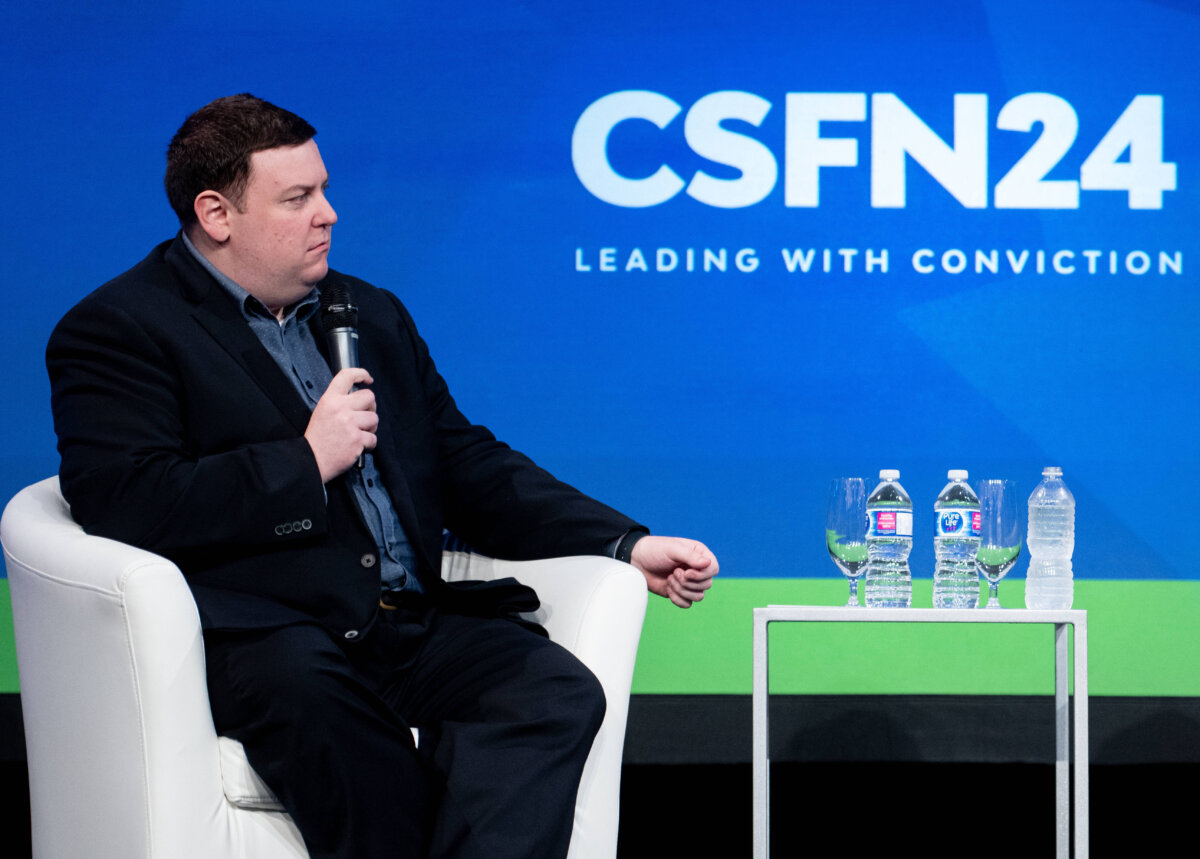
Conservative MP Andrew Lawton said in an interview that the removal of religious defence from the Criminal Code means “it will be easier to prosecute someone for quoting a scripture or expressing a religious viewpoint that someone finds offensive.”
“There are a lot of viewpoints that people of faith have different opinions on—whether it’s how to raise your children, matters of gender or sexuality, questions of geopolitics—and now we have a tool that can be weaponized against people if there is a belief that someone has that it was ‘hateful,’” Lawton said.
Cooke, who is also the national campaign manager for the Campaign Life Coalition (CLC), a pro-life organization, said churches, religious schools and institutions, and various ministries can expect “greater government and judicial interference” in their affairs should Bill C-9 become law.
“We might expect to see the same level of control over religious institutions exercised by the regime in communist China,” Cooke said.
Following the passage of Bill C-9 in the House of Commons on March 25, Cooke said in a March 26 statement released by CLC that Christians and pro-life advocates “will almost certainly face an entirely new level of hostility, as the door swings open to actual persecution under a cloak of supposed legality.”
He told The Epoch Times that Liberal MP John-Paul Danko cited “anti-abortion hate” as an example of the type of expression Bill C-9 intends to target.
“In the bill, hate is defined as detestation or vilification,” Danko said in the House of Commons on March 23.
“We have seen white nationalist rallies, public symbols of hate, the growth of white supremacist clubs, the diminishment of reproductive rights for women, anti-abortion hate, hate against women, hate against LGBTQ individuals, hate against trans individuals, anti-Semitism, Islamophobia.”
Cooke said this raises a concern if the bill would mean “the closure of pro-life ministries that serve women and their babies, along with the banning of pro-life demonstrations such as the annual March for Life in Ottawa,” which is organized by the CLC.
Committee Debate
The Liberal government tabled a motion in the House of Commons on March 5 to curtail debate and expedite voting on the bill in the justice committee, where the bill had been stalled by the Conservatives for several months.
This followed the Liberals’ proposal of an amendment in late February that they said would address religious groups’ concerns about the bill’s impacts on religious speech.
The “clarifying language” said Canadians are not prohibited from making statements “on a matter of public interest,” including educational, religious, political, or scientific statements, as long as they do not “wilfully promote hatred against an identifiable group.”
Subsequently, ahead of the House of Commons vote on Bill C-9 on March 25, Lawton and fellow Conservative MP Larry Brock introduced an amendment to send the bill back to the justice committee and restore the religious defence. However, the amendment did not pass and the bill was adopted by the House on March 25.
How Faith Groups May Be Affected
Lawton told The Epoch Times he has spoken to faith leaders who say “the government can change the law as much as it wants—we’re going to continue to preach the gospel.” Meanwhile, he said other organizations have been “very concerned,” not because they intend to preach hate, but because they “don’t trust that this definition of hate will not be used by bad actors to silence people.”
Cooke said there may be some religious leaders who choose to self-censor, but “many more will gladly face persecution” for the sake of their religion.
“Some organizations may be censured or forcibly shut down for their traditional stance on gender, marriage, and the sanctity of human life from conception to natural death,” he said.
Cardinal Frank Leo, the Metropolitan Archbishop of Toronto, wrote a letter to all Canadian senators on March 27 asking them to review and amend Bill C-9 to both protect vulnerable communities and safeguard Canadians’ fundamental freedoms.
“It is one thing to desire and work towards the elimination of all words and acts of hatred – and it is a laudable and just thing to do,” Leo wrote. “However, this should not come at the cost of diminishing or doing away with basic, fundamental civil liberties.”
Support for Bill C-9
Meanwhile, some Jewish organizations have supported Bill C-9, including the bill’s provisions for new offences targeting intimidation and obstruction, hate crime, symbols that promote hate, as well as the amended definition of hate.

“For more than two years, Jewish communities across Canada have faced escalating threats, intimidation, and violence. Bill C-9 represents an important and necessary step to strengthen tools for law enforcement and prosecutors to protect targeted communities and hold criminals accountable,” six Canadian Jewish organizations said in a March 25 joint statement.
Minister Fraser has maintained that the legislation is meant to protect religious freedoms and ensure people can practise their faith “without fear of intimidation or obstruction.”
The Liberal Party had pledged during the 2025 election campaign to introduce legislation making it a criminal offence to intentionally obstruct access to places of worship, schools, and community centres, or intimidate or threaten people attending those services. The Liberals said this was a response to a “horrifying rise in hate and hate-related crimes,” particularly against Muslims and Jews.
Existing Laws
Lawton insists that Canada has existing hate laws that are effective at combatting hate. He said many of the provisions in Bill C-9 that were “supportable were redundant because they were already covered in existing law.”
“No faith community is going to be protected from hate with a law that threatens their ability to share and express their religious beliefs and quote their religious texts,” he added.
Cooke said Bill C-9 is “completely unnecessary” to combat hate, as section 176 of the Criminal Code already forbids disrupting worship services and Section 319 prohibits the public incitement of hatred and the wilful promotion of hatred.
“We simply need the consistent enforcement of our existing laws,” he said, adding that Bill C-9 will have “the exact opposite effect.”
 Friends Read Free
Copy
Facebook
Tweet
Friends Read Free
Copy
Facebook
Tweet