
An Aboriginal activist has lost an attempt to revoke Hamas’ designation as a terrorist organisation under Australian law.
Robbie Thorpe, the uncle of Senator Lidia Thorpe, brought the case to the Federal Court of Australia following an unsuccessful appeal to Home Affairs Minister Tony Burke.
In October, terror group Hamas attempted to join the case and again on Feb. 10, when a second applicant listed as Daniel Taylor attempted to join as an intervener, citing “procedural fairness owed to Hamas.”
However, the court ultimately decided Hamas could not join Thorpe’s case.
Hamas has been designated a terrorist organisation in Australia since 2022, with the group’s military wing also classified as a terror group since 2003.
Thorpe tended more than 800 pages to the court in his attempt to get Hamas de-listed, including orders from the International Court of Justice and United Nations reports into Gaza.
An affidavit was also filed by Australian academic and activist Tim Anderson, who argued Hamas was a “legitimate resistance” organisation.
The counter argument, from the Home Affairs minister, was that public statements from Hamas leaders acknowledged and supported the terror-related activities of its armed wing, and that Hamas had attacked Israeli communities near Gaza with small-arms, rocket, and mortar fire.
The minister also cited the Hamas-led terror attack on Israel on Oct. 7, 2023, which left 1,200 dead and more than 5,400 injured, while another 253 people were abducted.
Ultimately, the court ruled that the minister had not acted illegally in designating Hamas a terrorist group.
“In this case, the situation in Gaza and the conduct of Israel is a matter of high public controversy,” Justice John Hill said in summarising his findings.
“However, as explained, the legal issues in this proceeding are much narrower.
“I do not think the applicants’ arguments in this case could be said to be substantial and substantive.”
Justice Hill found Thorpe and Taylor had relied heavily upon international legal materials, without real analysis of how those materials would translate to de-listing Hamas as a terror group within Australia.
The applicants were ordered to pay the minister’s costs.
Historic Communist Party Case Cited in Court
One precedent the applicants attempted to rely on was Australian Communist Party v Commonwealth from the 1950s.
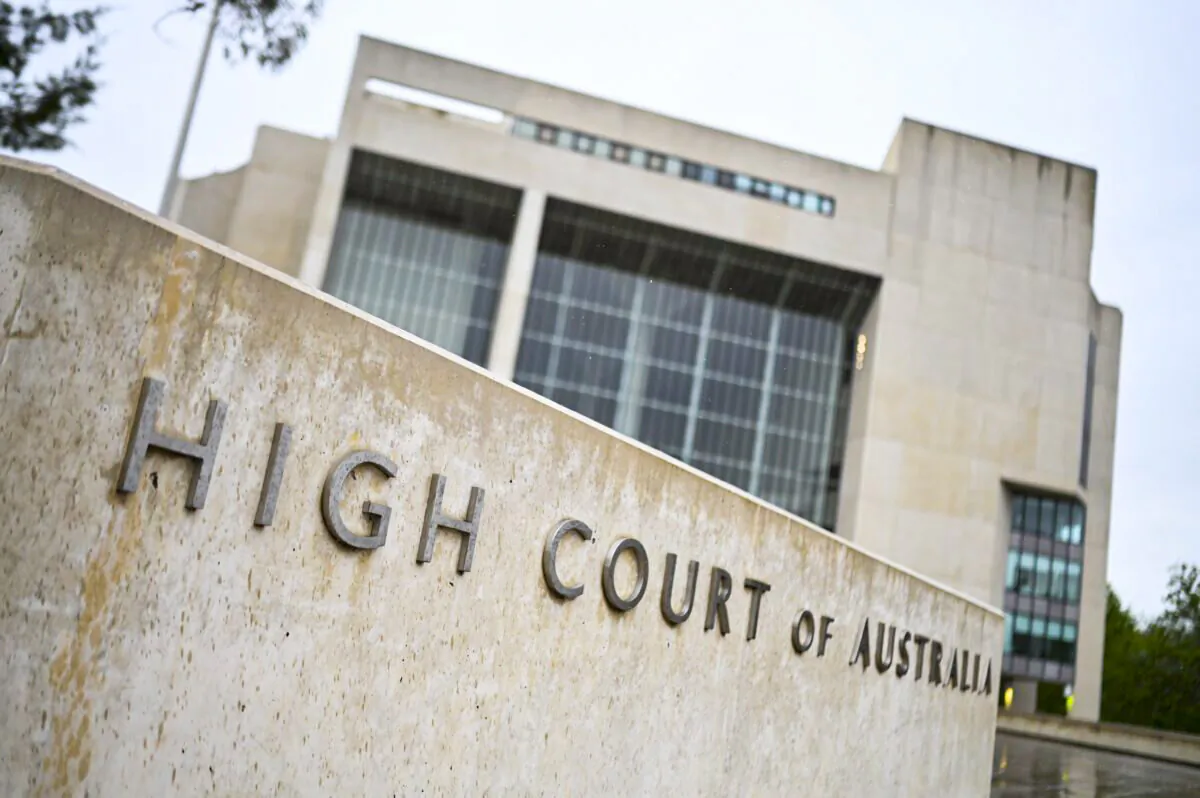
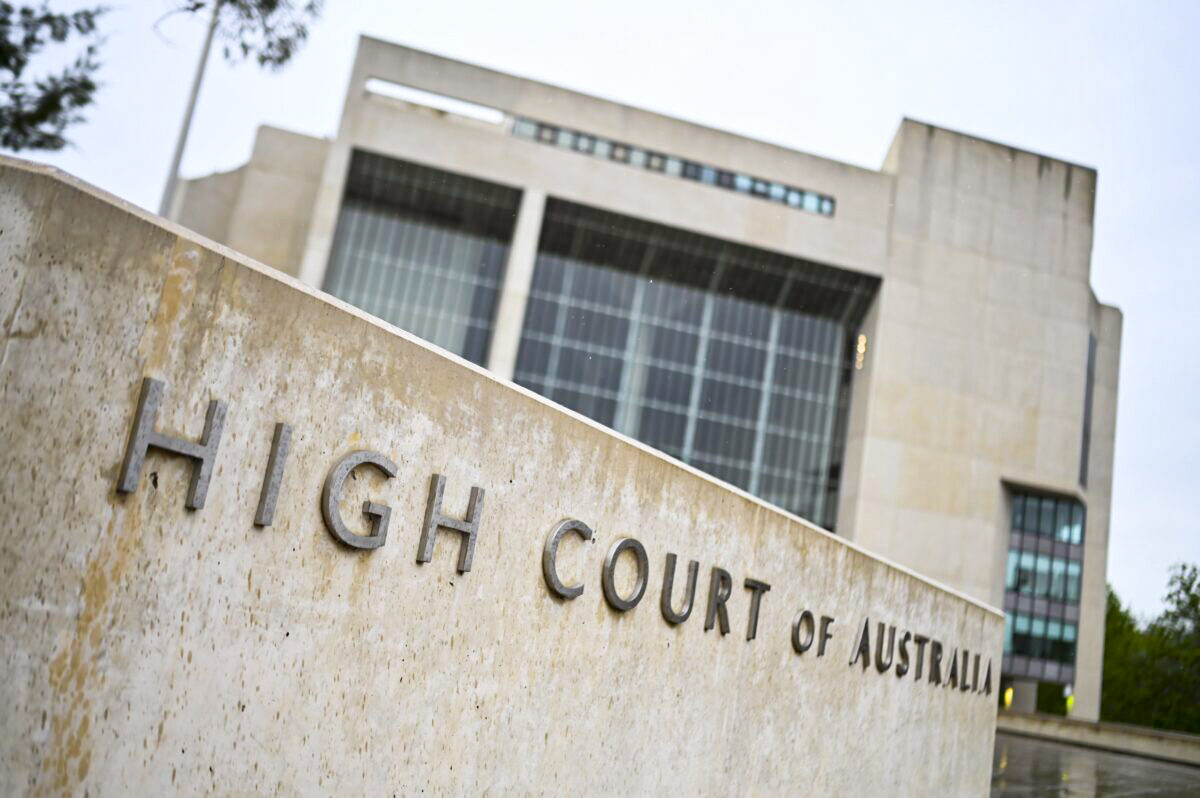
In that case, the High Court struck down the Menzies Liberal government’s Communist Party Dissolution Act 1950, which sought to outlaw the Australian Communist Party.
The court maintained that parliament could not simply declare an organisation a national threat and thereby place it beyond constitutional limits.
The act was deemed invalid because it relied upon executive declarations rather than judicial determination, and because a defence exemption did not extend far enough in peacetime to justify dissolving a political party.
In Thorpe v Commonwealth of Australia, the applicants relied on that precedent to argue that the executive’s decision to maintain Hamas as a listed terrorist organisation similarly involved improper reliance on a declaration rather than lawful constitutional authority.
However, unlike the 1951 legislation, modern anti-terror listing regimes operate within a detailed statutory framework and are subject to judicial review, distinguishing them from the sweeping and constitutionally defective scheme rejected by the High Court.
 Friends Read Free
Copy
Facebook
Tweet
Friends Read Free
Copy
Facebook
Tweet