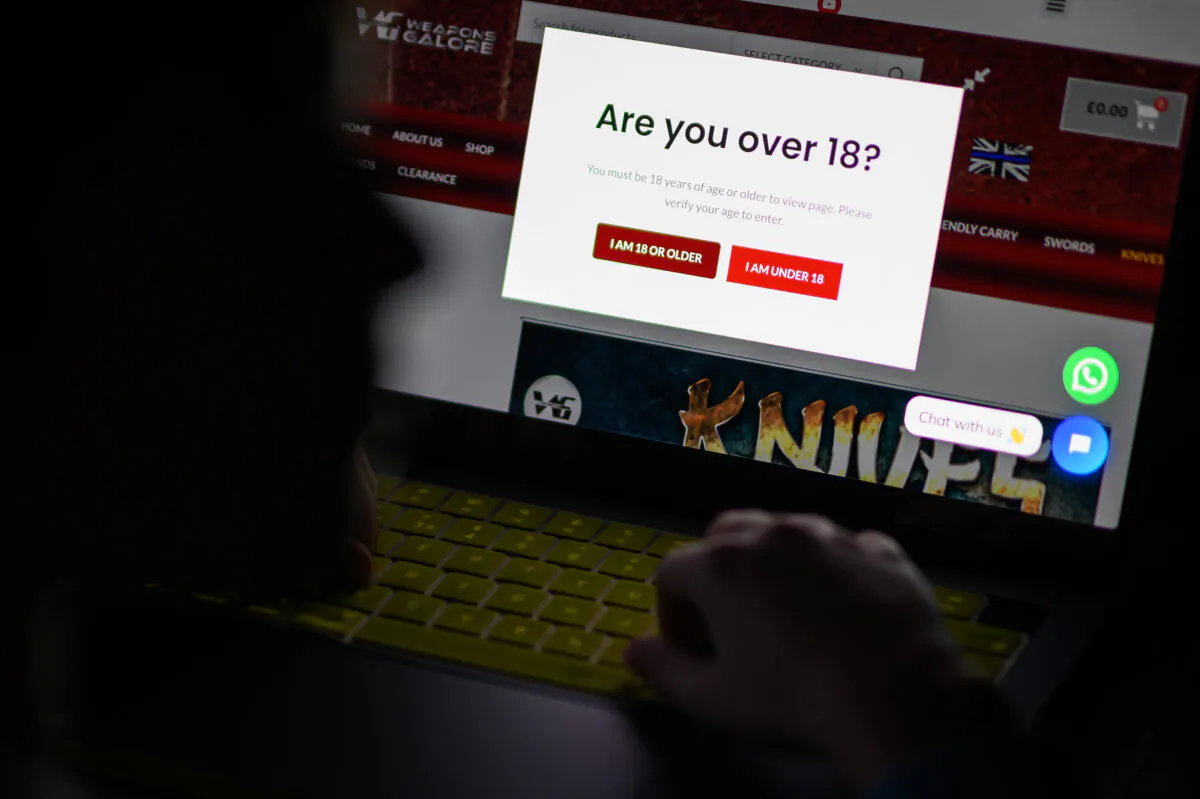

Global pornography giant Aylo has blocked Australians from accessing its websites in response to new laws requiring online platforms to verify users’ age for R-rated content.
On March 9, the second tranche of Australia’s Age-Restricted Material Codes came in to effect, forcing digital platforms to impose strict age verification to prevent children under 18 from accessing adult and harmful online materials.
Under the changes, the eSafety Commissioner—Australia’s online safety regulator—now has the power to fine companies up to $49.5 million (US$34.6 million) for not complying with these new codes under the Online Safety Act.
Several days ahead of the new laws taking effect, Aylo, which owns sites such as Pornhub, RedTube, YouPorn, and Tube8, introduced a blanket ban on Australian users.
The Epoch Times has confirmed that, aside from Pornhub, which still provides limited access, the other sites display a message saying they are not currently accepting new account registrations from Australia.
Aylo has criticised Australia’s approach, saying it is not an effective way to protect children from harm.
“Australia is following a similar approach to the UK, which all our evidence shows does not effectively protect minors, and instead creates harms relating to data privacy and exposure to illegal content on non-compliant platforms, and instead creates harms relating to data privacy and exposure to illegal content on non-compliant platforms,” an Aylo spokesperson told The Epoch Times.
“A recent survey conducted by the Lucy Faithfull Foundation, a child abuse prevention charity, found that ’45 percent of UK pornography users have visited sites that aren’t compliant with age verification.’ We continue to believe that device-based solutions remain the most realistic and effective way to protect minors online, and every organisation in a users’ online journey plays a role.
Aylo suggested operating systems play a bigger role, like Apple, which is soon to roll out age verification for +18 apps.
eSafety’s Response
eSafety hailed the commencement of the new online safety codes on March 9 as a “critical milestone in Australia’s online safety framework,” saying they compel tech companies to implement protections preventing children’s exposure to high-impact violence, pornography, and content promoting suicide, self-harm and disordered eating.
“They aim to ensure children are having age-appropriate experiences and aren’t exposed to potentially harmful content too early, especially where this exposure is accidental or unwanted,” it said on social media.
Regarding age checks, the agency said tech companies could choose their own methods but must ensure they meet the requirements and comply with Australian law.
“Adults will continue to be able to access legal content, but some services will now require proof of age. Methods to check a user’s age must be accurate, robust, fair and reliable,” eSafety said.
“Importantly, any age check measures must comply with Australian privacy laws and are managed by the service being used–not the Australian government. ”
eSafety Commissioner Julie Inman-Grant said industry would now need to apply consistent standards across their services so children were not accidentally exposed when they search or scroll online.
“We don’t allow children to walk into bars or bottle shops, adult stores or casinos, but when it comes to online spaces where they are spending a lot of their time, there are no such safeguards,” Inman Grant said.
“But that changes for Australian kids with these codes, which simply bring those same, commonsense protections we all grew up with to the online world of today to ensure children are having age-appropriate experiences and not being exposed to potentially harmful content too early.”

Which Platforms Will Need to Comply?
The new codes will cover a wide range of online services, including search engines, social media platforms, pornography websites, app stores, gaming providers, and generative AI systems.
Specifically, AI companion chatbots must now confirm an individual is 18 or older before they can access certain restricted material.
App stores will now need to take “appropriate steps” to stop users under 18 from buying or downloading apps rated R18+ and make sure apps are rates properly.
“If the app store doesn’t already know someone’s age, they may be asked to confirm it through age assurance,” eSafety said.
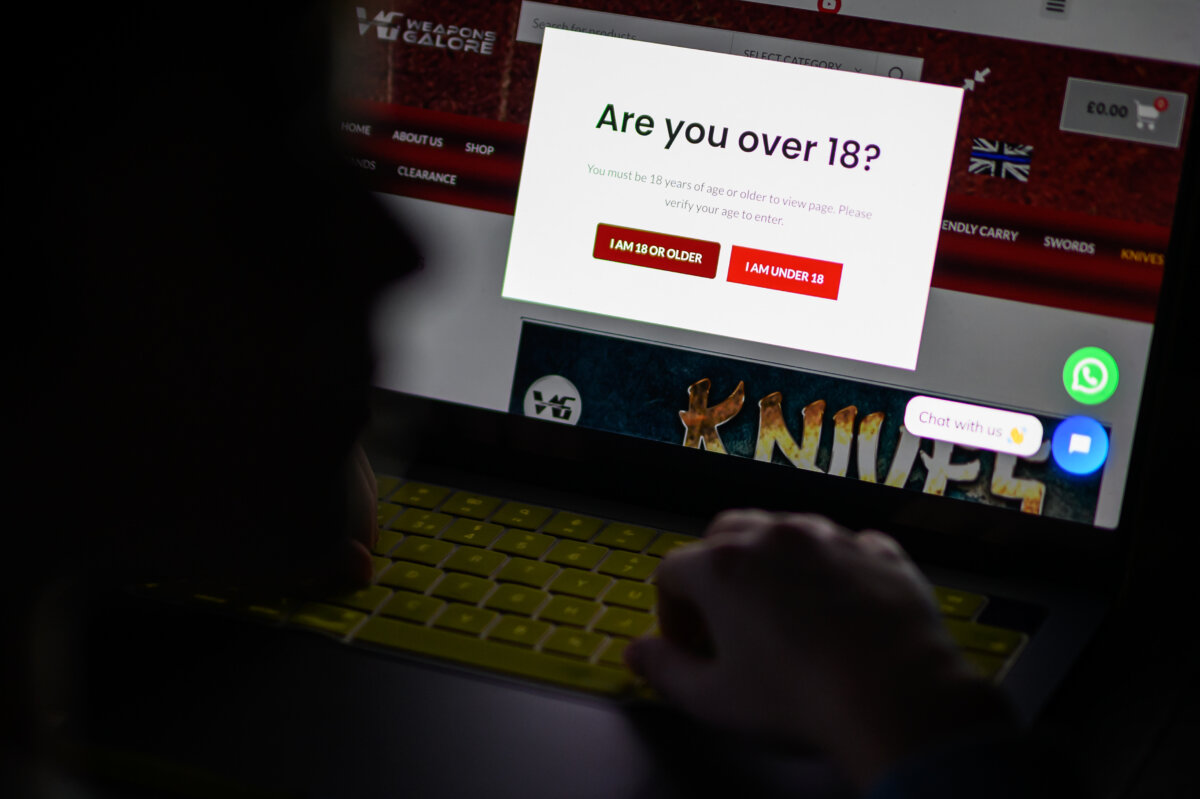
Regarding pornography sites, eSafety said clicking a button that says “I am 18 years or older” is no longer adequate under the codes.
“This is consistent with similar efforts being implemented internationally,” eSafety said.
 Friends Read Free
Copy
Facebook
Tweet
Friends Read Free
Copy
Facebook
Tweet