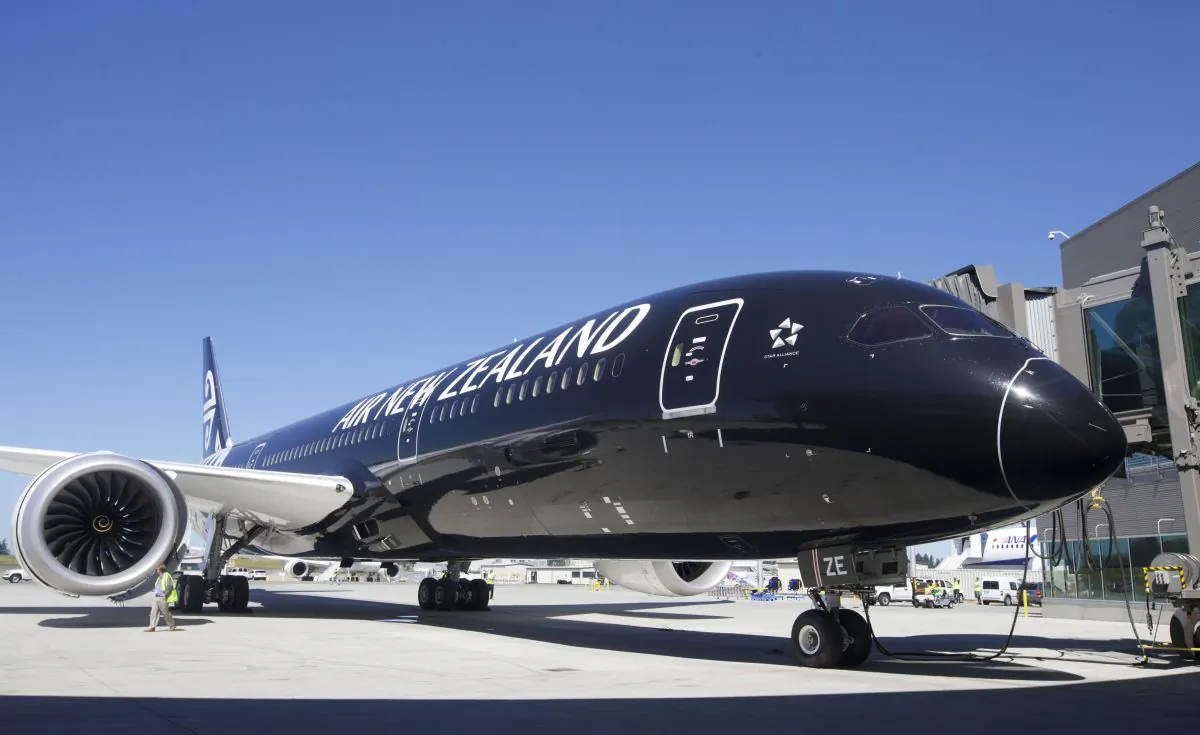

Air New Zealand has reported a net profit of $126 million for the 2024–2025 financial year, down from $146 million a year earlier, and warned investors of more turbulence ahead.
The airline will pay a final dividend of 1.25 cents per share.
Revenue held steady at $6.8 billion, compared with $6.75 billion the previous year. Underlying profit was $189 million, down from $222 million, but still at the upper end of earlier guidance.
The airline said its flying capacity was cut by 4 percent as engine problems forced more planes out of service. By the second half of 2025, it expects 11 aircraft, about one-fifth of the fleet, to be grounded.
Routes to Seoul, South Korea, and Chicago have already been suspended, and passenger revenue fell by 2 percent to $5.9 billion.
Some customers have questioned why flying internationally is cheaper than traveling within New Zealand.
Outgoing CEO Greg Foran said he was frustrated with the data supplied by Rolls-Royce, one of the engine manufacturers.
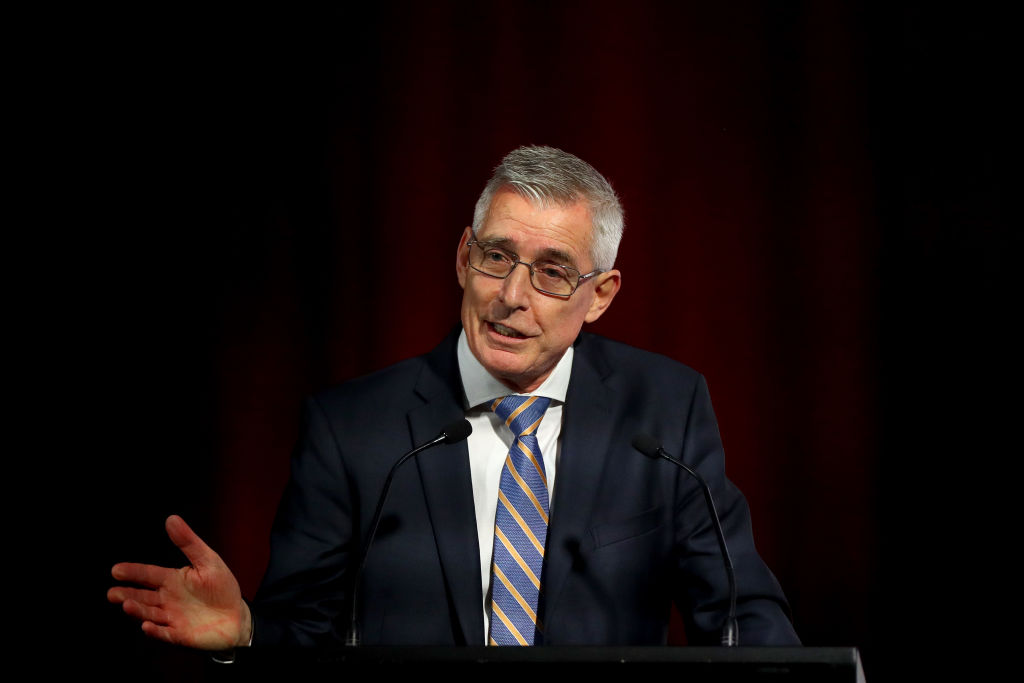
“If we do get data from Rolls-Royce, we tend to dial it back a bit,” he said. “Our best view is that we are heading towards 11 [out-of-service aircraft] in the next six-month period.”
He added that he had “more confidence” in U.S. engine maker Pratt & Whitney, which supplies engines for the airline’s Airbus A321neos.
The airline received $129 million in compensation from engine manufacturers, but estimated profits could have been $165 million higher if all planes had been flying as planned.
Operating costs rose by $235 million, or 6 percent, mainly from higher landing fees, staff wages, and engineering materials. The rest of the increase was from constrained seating capacity. Fuel costs fell by 12 percent, or $208 million, partly because global jet fuel prices dropped.
More Groundings Ahead, But Also New Aircraft
Despite the setbacks, Foran said the airline was investing in the future.
More than half of its Boeing 787s will soon feature upgraded interiors, and two new Dreamliners powered by General Electric engines are due this year.
Extra Airbus A321neos and ATR turboprops are also arriving to boost services within New Zealand, across the Tasman Sea, and to North America.
System-wide aviation costs are forecast to be another $85 million in the year ahead, driven by increased air navigation fees, passenger levies, and landing charges. Engine constraints will also remain a factor.
“The year ahead will still have its challenges,” Foran said.
“But we’ve got the right strategy, a strong balance sheet, and a team that continues to deliver with heart. That gives us real confidence in what lies ahead.”
 Friends Read Free
Copy
Facebook
Tweet
Friends Read Free
Copy
Facebook
Tweet