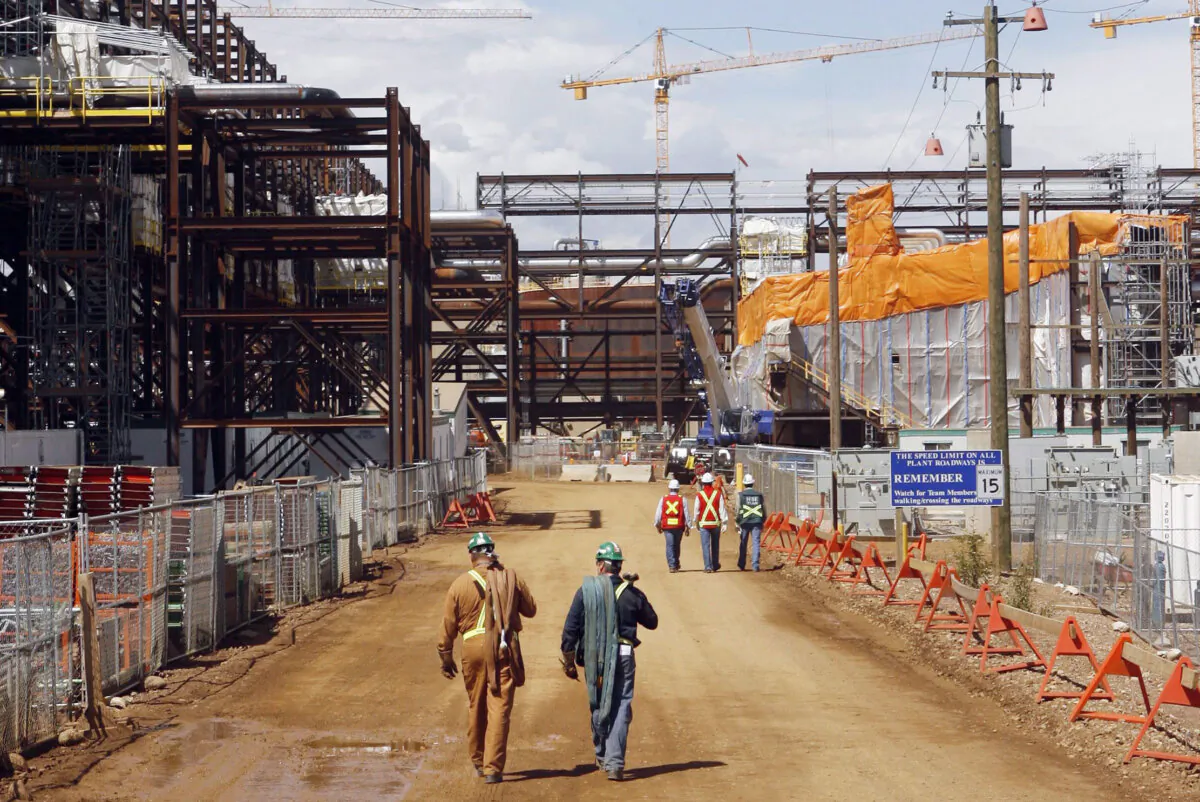

Alberta heavy crude will see a larger discount compared to the U.S. blend in 2026 than the previous year, according to CIBC analysts.
The bank said in a report that the difference between Western Canada Select (WCS), the heavy Alberta blend, and West Texas Intermediate (WTI), the U.S. light oil benchmark, will be at around US$14.25 a barrel in 2026. In 2025, the difference between the Canadian and U.S. blends was an average of US$11.30.
The report noted that while Alberta heavy crude had benefitted from the first full year of operations of the Trans Mountain pipeline expansion to the West Coast, which enabled oil exports to Asia, the United States plans to rebuild Venezuela’s oil industry in 2026.
“In the near term, we expect news around resuming investment in Venezuela and targeting production restarts will dominate headlines and cause pressure on WCS-WTI basis (as well as heavy oil realizations for Western Canadian producers),” the CIBC analysts wrote.
Following a Jan. 3 U.S. military operation where Venezuelan President Nicolás Maduro was captured and brought to New York to face trial on charges including narco-terrorism, U.S. President Donald Trump said American oil companies will invest $100 billion to increase oil production in the South American nation.
Venezuela has the largest proven oil reserves of any country, at 303 billion barrels compared to Canada’s 168 billion barrels. However, oil production in Venezuela has fallen from nearly 2 million barrels a day in 2014 to 921,000 barrels a day by late 2025, while Canada currently exports 5.1 million barrels a day.
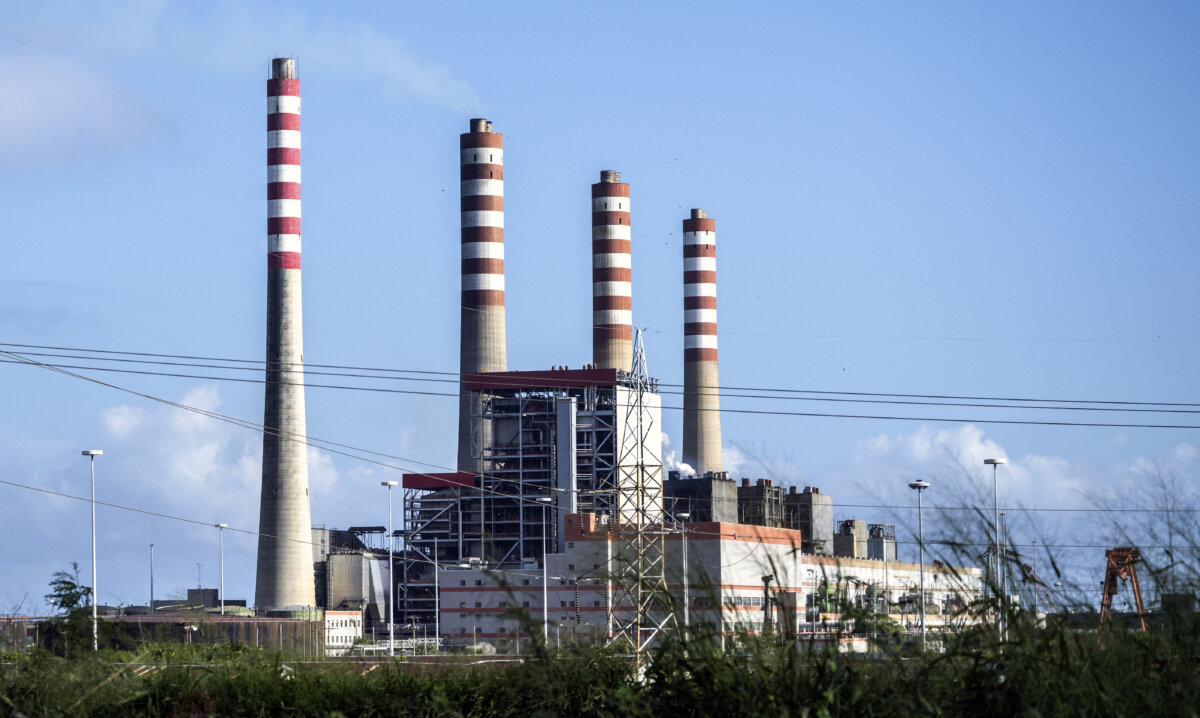
Both Venezuelan and Alberta oilsands crude have a thick, tar-like consistency that requires it to be refined into gasoline and diesel. Refineries in the U.S. Gulf Coast are set up to refine this type of oil, and the CIBC report noted a large increase in Venezuelan supplies on the market would compete with imports from Alberta and could weigh on WCS prices.
As of Jan. 15, WTI was at $59 per barrel, while WCS was at $49.53, for a discount of nearly $10. The CIBC report said Brent crude oil, which is linked to light oil produced in the North Sea in Europe, is expected to average around $63 in 2026.
WCS is typically sold at a discount to other oil benchmarks because it is heavier and of a lower quality, is further away from the major oil markets in the United States, and needs to be refined.
Around 97 percent of all Canadian crude oil exports go to the United States, while just 3 percent is exported to other countries. The majority of the 4.4 million barrels per day Canada exports to the United states ends up at Midwest refineries, while about one-tenth heads to the Gulf Coast to be refined.
The Canadian government and the province of Alberta signed a memorandum of understanding (MOU) in November 2025 that would allow for one or more pipelines to be built, which would carry around 1 million barrels a day of bitumen to Asia. The application for the pipeline will be ready to submit to the newly created Major Projects Office, which is meant to speed up regulatory approvals for projects, before July 1, 2026.
The construction of a pipeline project is tied to the creation of the proposed Pathways Alliance carbon capture project, which would compress CO2 into liquid form, ship it through a pipeline, and store it underground. Ottawa may also need to adjust the Oil Tanker Moratorium Act to allow oil to be shipped from B.C.’s northern coast to Asia via oil tankers.
Prime Minister Mark Carney is visiting China this week to discuss trade, and the two countries signed a MOU on Jan. 15 to cooperate on clean and conventional energy. However, Beijing did not commit to buying more Canadian petroleum and liquefied natural gas, despite China being the world’s largest importer of crude oil.
The Canadian Press contributed to this report.
 Friends Read Free
Copy
Facebook
Tweet
Friends Read Free
Copy
Facebook
Tweet