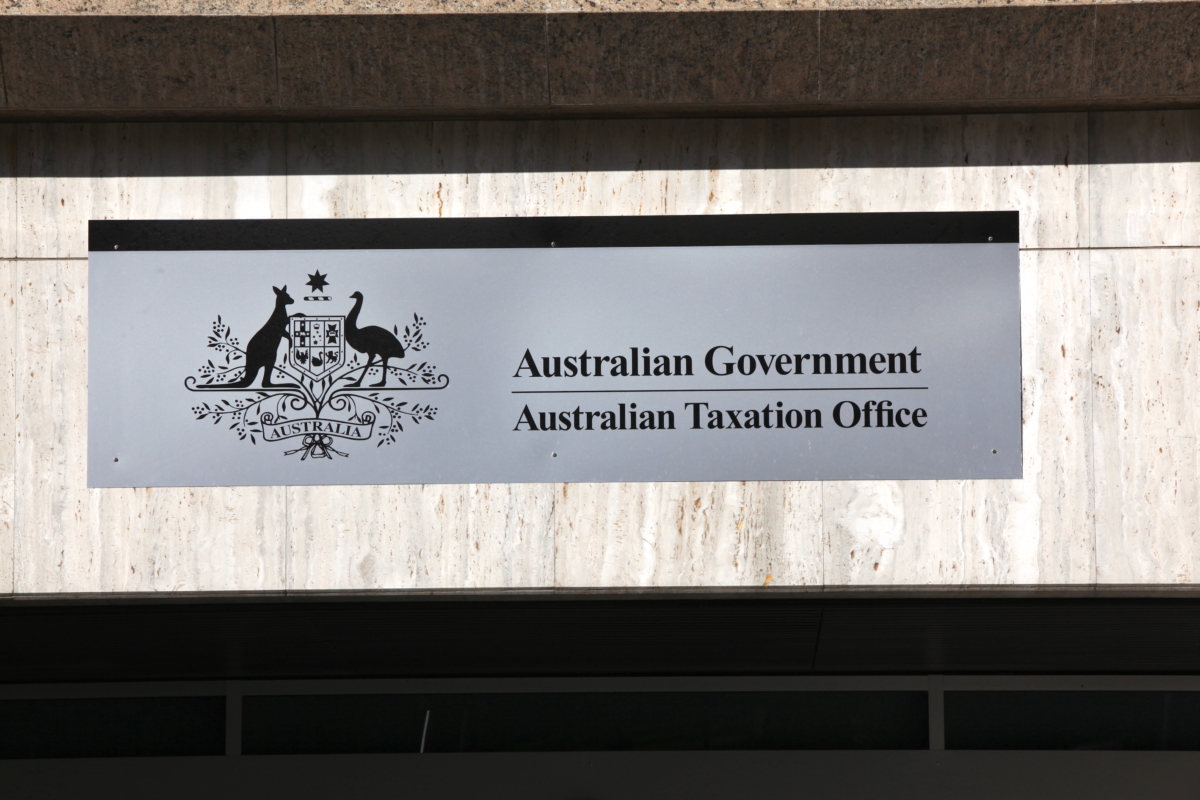

Hypocrisy claims are being levelled at a government agency as it cuts off credit card payments in response to a ban on card surcharges.
Reserve Bank of Australia reforms started on Oct. 1 and means retailers can no longer charge customers an additional fee for paying by card, and must either absorb the cost or build it into their prices.
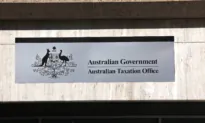
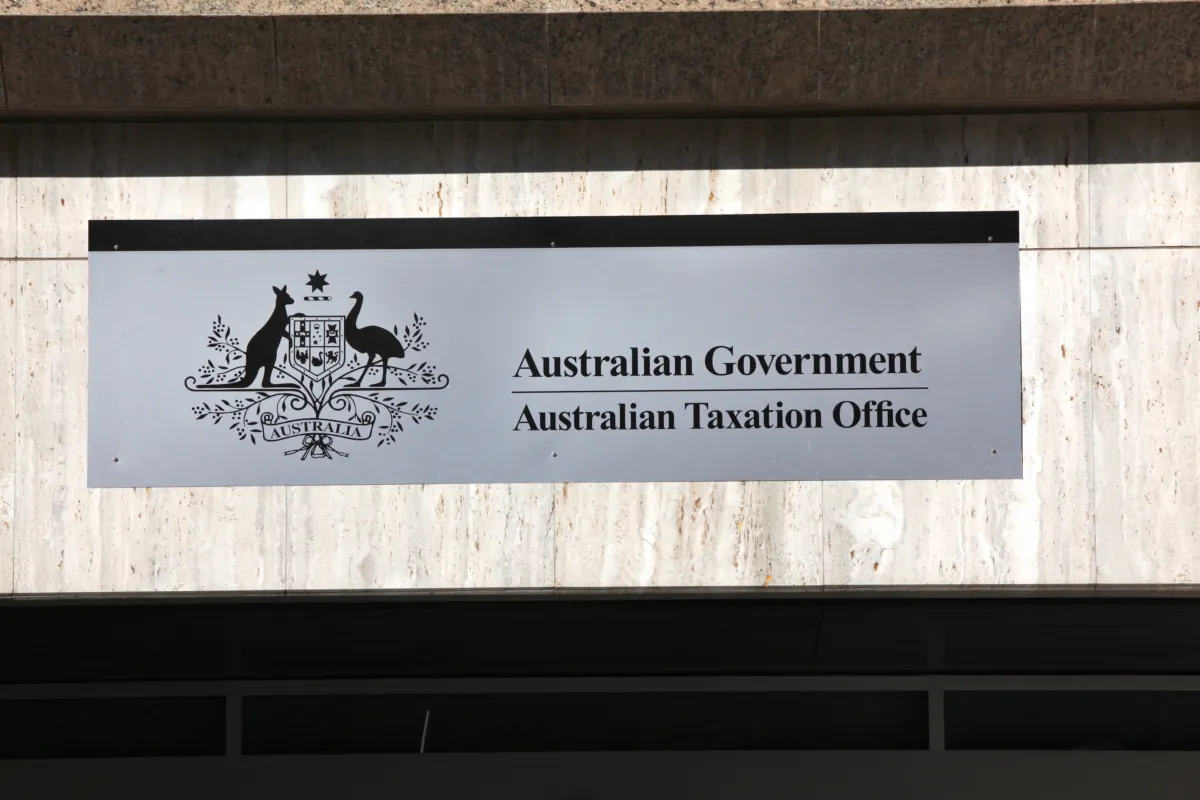
In response, the Australian Taxation Office (ATO) also said it would stop accepting credit card payment after Nov. 30.
“As a government agency, the ATO has decided it would not be appropriate for the cost of credit card merchant fees to be transferred to the community,” it said in a statement.
The Australian Chamber of Commerce and Industry labelled the successive changes as a “staggering act of hypocrisy.”
“On the one hand, you have government saying to a small business, ‘You have to wear this … you have to work out whether you are going to absorb that cost or try to pass it on to your customers,'” said Chamber CEO Andrew McKellar at federal parliament.
“On the other hand, we have the Tax Office saying that they will not wear it; they will deprive their customers of that facility because they don’t want to have to withdraw the cost of the surcharge.”
The ATO’s announcement was a one-two punch for millions of small businesses that rely on credit cards to manage shrinking cash flow, McKellar said.
But the ATO said the vast majority of taxpayers did not pay their tax with a credit card.
“Approximately 2.3 percent of tax payments were made with credit cards in 2024-25, with more than 60 percent of card payments being made by privately owned and wealthy groups and public and multinational businesses,” a spokesperson said.
The ATO said it would continue to support those experiencing financial hardship or other circumstances that made it difficult to meet their obligations.
Prime Minister Anthony Albanese on Sept. 30 backed the surcharge ban, calling it another example of cost-of-living relief from his government.
“I think when people turn up and tap, be it at a coffee shop or a pub or buying a sandwich for lunch, they expect the price that they see to be the price that they pay,” he said.
Small businesses have criticised the Reserve Bank’s change as another hit to dwindling profit margins.
Nikki Laski, manager of long-standing Melbourne establishment Monarch Cakes, said while the changes seemed like a win for customers, if the small businesses aren’t around then everybody loses.
“That whole seven cents off your coffee might mean that your favourite coffee shop closes,” she said.
Big businesses including Coles and Woolworths were already absorbing the cost of card fees because they could afford to, Laski said.
Card surcharge fees can cost up to $50,000 per year for cafes and restaurants, and $100,0000 for a medium-sized pub, McKellar estimated.
“That’s a huge additional cost that you’re expecting the business to wear,” he said.
To help ease the overall pressure, the RBA has also capped interchange fees, which are paid by the merchant’s bank to the customer’s bank each time a payment is processed.
The Reserve Bank expects the new maximum rate of 0.30 percent—down from 0.80 percent—will deliver around $660 million a year in lower payment costs for businesses.
Experts are split on what actual effects the changes will have, according to financial comparison site Finder, but most agreed it would be a net positive for consumers.
Treasurer Jim Chalmers said the Reserve Bank’s surcharge change would save consumers $1.6 billion in card surcharges and save businesses $910 million each year.
By Duncan Murray and Eleanor Wilson in Melbourne.
 Friends Read Free
Copy
Facebook
Tweet
Friends Read Free
Copy
Facebook
Tweet