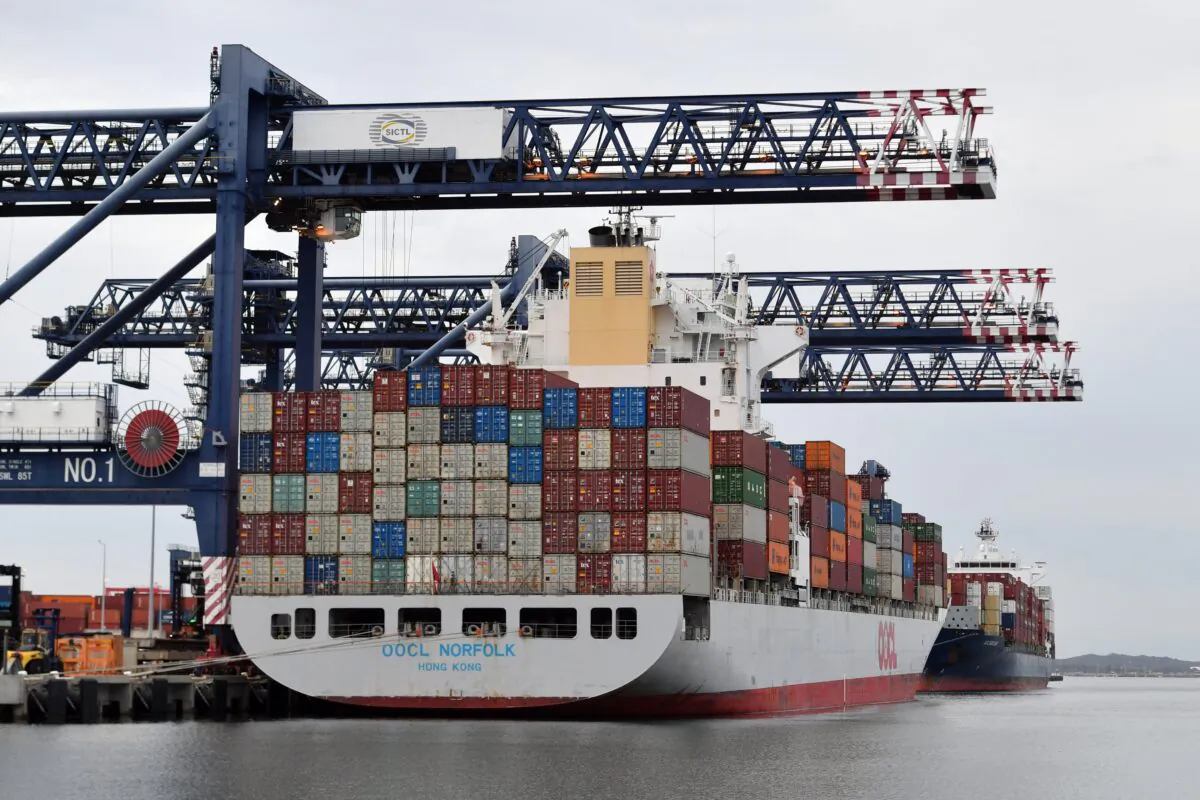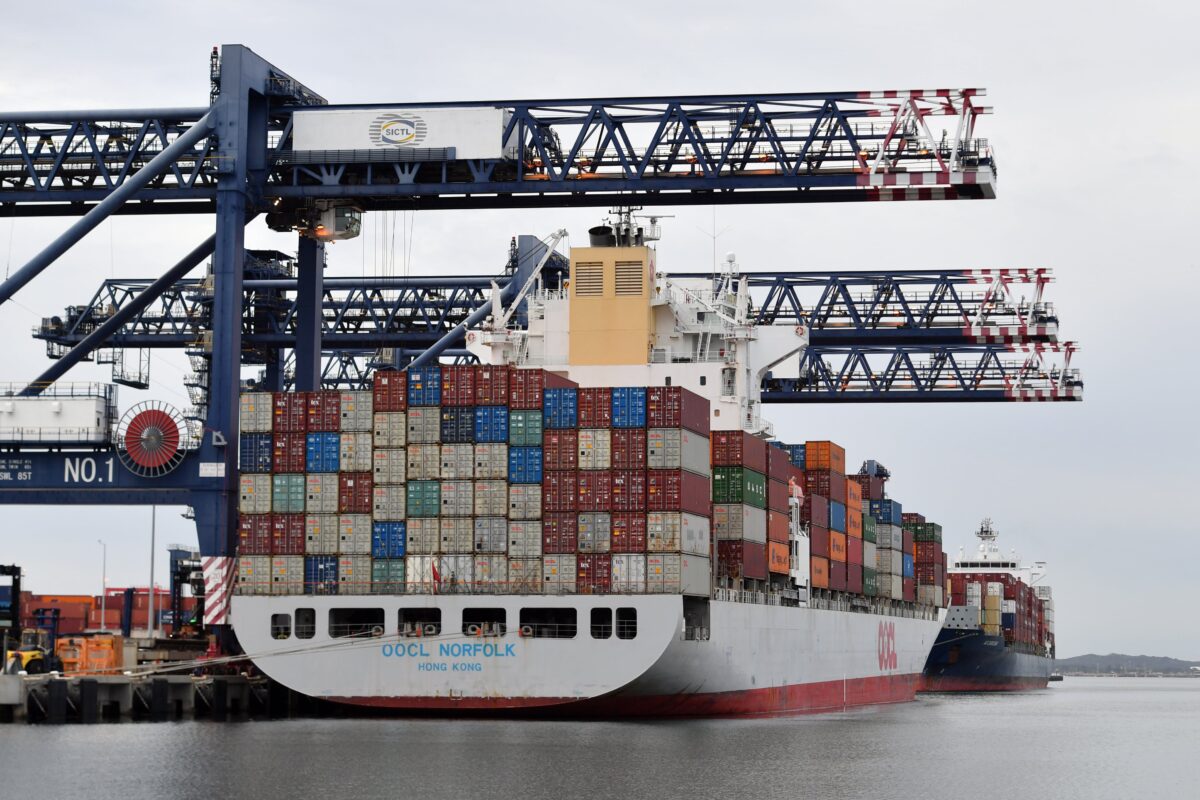

Australia has secured its first maritime vessel as part of the nation’s Strategic Fleet program, aimed at strengthening the country’s shipping capacity during emergencies and supply chain disruptions.
The ANL Kokoda, a large cargo vessel, will be available to support government agencies during natural disasters and other major logistics disruptions.
Transport Minister Catherine King said it was “an incredible chapter in Australia’s maritime history.”
“Recent global events have emphasised the importance of Australia having a resilient domestic maritime sector,” she said.
“The ANL Kokoda will provide critical maritime capabilities, including by adding a new tool to be able to respond to disruption events.”
The fleet is part of a five-year pilot program designed to rebuild elements of Australia’s maritime capacity by securing access to a small number of commercially operated vessels that can be called upon in emergencies.
Under broader efforts to boost Australia’s maritime fleet, the government is also establishing the Maritime Skills and Training Initiative and reviewing the Coastal Trading Act.
Australia has long relied on international shipping markets and foreign-flagged vessels to move goods in and out of the country, with limited domestic capacity available during global disruptions.
While Australia has some privately-owned commercial ships, most are not Australian-owned, Australian-flagged, or Australian-crewed.
However, the project has not been without criticism from the shipping industry.
An Expensive Intervention
Peak body Shipping Australia said such a project had been attempted several times and had always failed—going as far back as 1928.
Shipping Australia said the strategic fleet would be an expensive intervention that would add only a small amount of shipping capacity, while potentially increasing freight costs.
“It has failed so often that we can give an appropriate label to this recycled policy: the ‘Strategic Failure Fleet,'” the group said.
“At best, the ‘Strategic Failure Fleet’ will add next to no extra capacity while being a costly waste of resources.
“At worst, [it] will increase costs during a cost-of-living crisis.”
Costs a Major Challenge
A 2023 government infrastructure report into the program identified cost as a “major challenge” in developing the project because of the higher operating costs associated with Australian-flagged and Australian-crewed vessels.
Shipping companies try to keep operating costs low so they can offer competitive freight rates, attract customers, and remain financially viable over the long term, the report noted.
“Given their higher operating cost baseline, Australian vessels operate at a competitive disadvantage—and will continue to do so unless they are able to operate in a market restricted to Australian vessels, are able to gain a productivity advantage over foreign vessels, or are subsidised in some way,” the report said.
Analysis showed crew costs, fuel prices, and repairs were the main drivers of the financial gap between Australian and foreign vessels.
Despite the challenges, the government says the strategic fleet is intended to bolster sovereign capacity, improve national resilience, and reduce Australia’s vulnerability to global shipping disruptions.
 Friends Read Free
Copy
Facebook
Tweet
Friends Read Free
Copy
Facebook
Tweet