
Australia has been spared from a potential increase in U.S. import tariffs, with its exports to remain at the baseline 10 percent rate.
The White House confirmed the updated measures on Aug. 1, raising duties on countries that have not engaged in trade negotiations or aligned with U.S. economic priorities.
Neighbouring New Zealand and Papua New Guinea were not so lucky—their goods are now subject to a 15 percent rate, while other countries, including Canada, have been hit with even steeper hikes.
Canada will see tariffs jump from 25 percent to 35 percent. Some of the harshest increases include 41 percent on Syrian products and 40 percent on imports from Myanmar and Laos.
Australia Maintains Base Rate
Australia’s products have faced the base tariff since April, when the new regime was first unveiled, but temporarily paused to allow room for negotiation.
“The president has determined that it is necessary and appropriate to modify the reciprocal tariff rates for certain countries,” a White House statement said.
The updated rates take effect on Aug. 5. However, items transported by sea will not face the adjusted rates until Oct. 5, 2025.
No Link Between Beef and Tariffs
The announcement comes shortly after the Albanese government moved to ease long-standing biosecurity restrictions on U.S. beef imports—a decision ministers have stressed was unrelated to any pressure from Washington or recent trade announcements.
The U.S. has previously criticised Australia’s non-tariff barriers, particularly over beef imports that were restricted following an earlier outbreak of mad cow disease in products originally sourced from Canada and Mexico.
The Australian government maintains that the recent change was driven by scientific assessments and improvements in U.S. traceability systems.
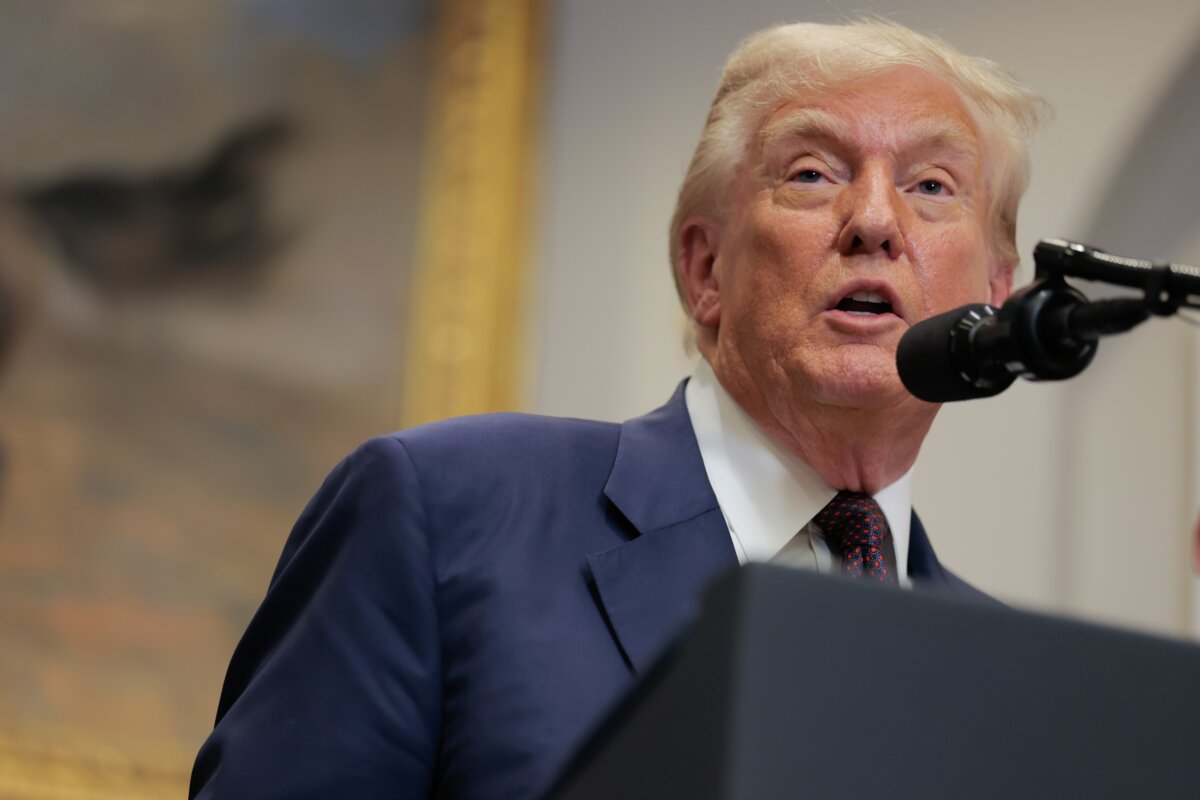
President Trump, who has long objected to Australian trade policies regarding beef, has also used tariff threats in the past to secure trade deals with major economies such as the European Union and Japan.
 Friends Read Free
Copy
Facebook
Tweet
Friends Read Free
Copy
Facebook
Tweet