
Australia is in talks with Ukraine to formalise a new security agreement aimed at deepening defence collaboration, particularly in drone technology and intelligence sharing.
The proposed deal follows ongoing support from Australia since Russia’s invasion and could mark a shift towards more structured and operational cooperation.
Briefing material prepared for Foreign Minister Penny Wong’s December 2024 trip to Kyiv confirmed discussions were underway, although most of the document remains classified.
So far, Ukraine has signed 28 bilateral security arrangements with allies, none of which include binding defence obligations. The Australian pact is expected to follow a similar model but may strengthen operational partnerships.
Strategic experts say this partnership could be a vital step for Australia to enhance its technological capabilities.
Henry Campbell, strategic engagement manager at the Australia Strategic Policy Institute, pointed to Ukraine’s rapid battlefield innovation, citing Operation Spiderweb, which saw drones destroy over US$7 billion (A$10.7 billion) in Russian military aircraft on June 1.
“This is just one example of a sustainable systemic edge built on fast feedback, agile development and open communication between soldiers and innovators,” Campbell said.
Drones and Local Defence Industry At The Centre
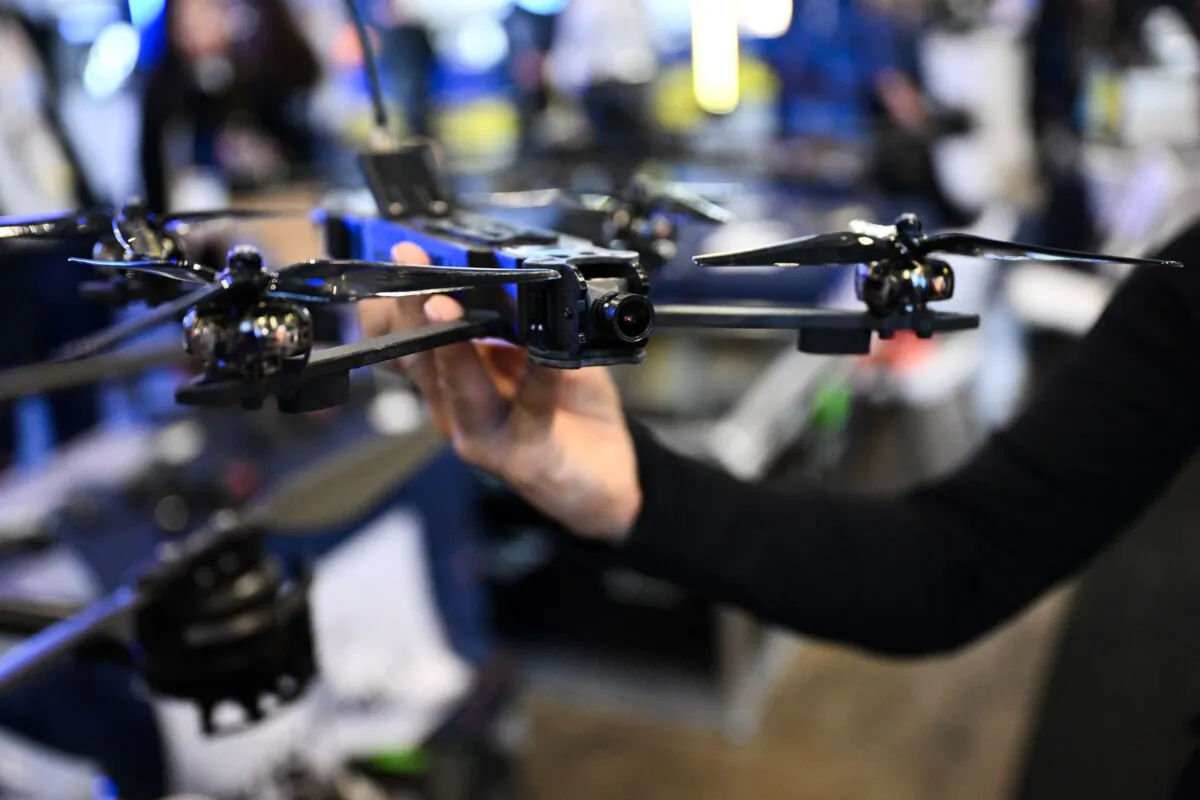
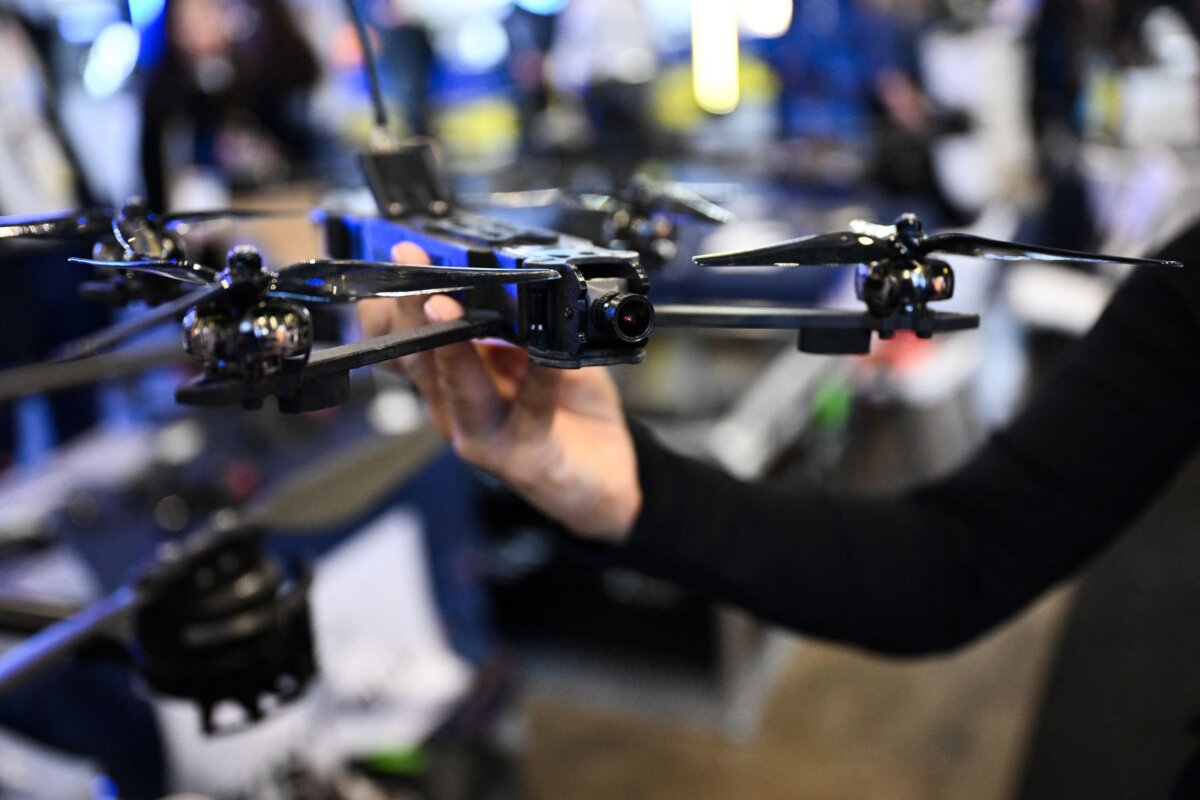
Campbell contrasted Ukraine’s drone program with Australia’s, noting that Ukraine plans to manufacture 4.5 million drones in 2025—triple its 2024 output.
These drones now feature AI controls and a range of up to 3,000 km, far outpacing Australia’s pilot program, which produced 100 short-range prototypes in 2024.
Ukrainian companies like Vidar and Swarmer have developed battlefield-ready technologies, including real-time artillery triangulation systems and AI-driven drone swarms operated by a single user—addressing key bottlenecks in remote warfare.
“Australia’s ambition is modest and experimental; Ukraine’s is vast and operational,” Campbell said.
Ukrainian Ambassador to Australia Vasyl Myroshnychenko declined to discuss specific terms of the proposed deal due to ongoing negotiations but noted that areas like drone systems, cyber defence, and intelligence sharing are likely to feature, mirroring Ukraine’s existing agreements with countries like Japan and the UK.
“The innovation we have, no one in the world has it,” Myroshnychenko said.
Australian Tech Firms Could Benefit
DroneShield, an Australian firm already providing counter-drone tech to Ukraine, welcomed the potential for deeper ties.
CEO Oleg Vornik said formalising the relationship would make it easier for the company to respond directly to battlefield needs.
“The war has shown drones are now central to modern conflict, and that demands constant innovation in counter-drone systems,” Vornik said.
He noted DroneShield’s ongoing partnership with Ukrainian forces enables frequent software and hardware updates to respond to emerging threats, something a bilateral pact could significantly accelerate.
Local Lessons, Different Geography
Naval warfare expert Jennifer Parker urged caution in directly applying Ukraine’s drone tactics to Australia’s needs, warning that geography and strategic objectives differ.
“Ukraine is using naval drones effectively to strike Russian vessels and port infrastructure, but Australia’s defence focus requires projecting power far from home,” Parker said.
Australia must secure critical maritime routes, she added, which still requires traditional naval assets. However, she acknowledged the broader benefits of working with Ukraine lie in cyber warfare strategies and industrial mobilisation.
“Ukraine’s ability to scale weapons production locally during wartime offers a lesson for Australia: building resilience through domestic defence manufacturing to avoid reliance on foreign suppliers,” she said.
AAP contributed to this article.
 Friends Read Free
Copy
Facebook
Tweet
Friends Read Free
Copy
Facebook
Tweet