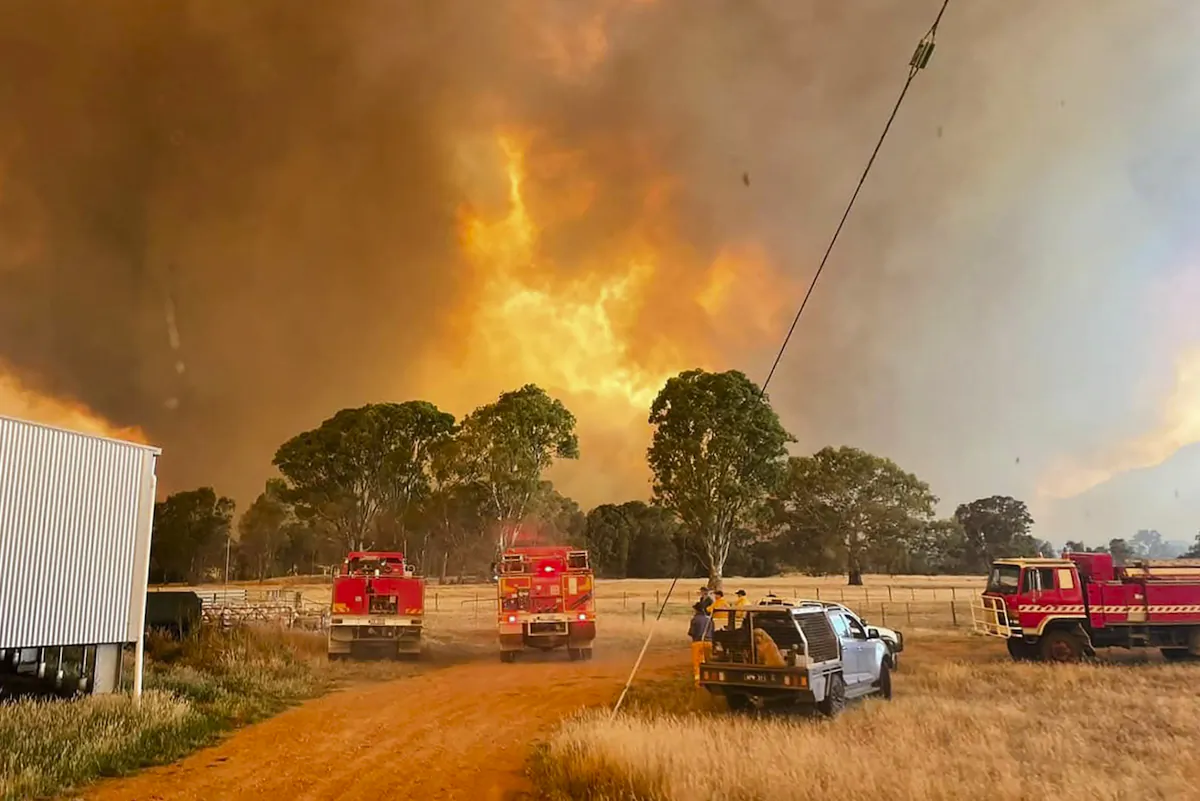

Mobile phones across Australia will soon emit a loud emergency alarm—even on silent—under a new nationwide alert system set to replace SMS warnings by October 2026.
The platform, known as AusAlert, will use cell-broadcast technology to send urgent, location-based warnings to compatible phones within a defined danger zone, down to a radius of about 160 metres.
Emergency Management Minister Kristy McBain said the system had been built specifically for Australian conditions.
“We’ve had to build this system in Australia. We’ve also taken the time to learn the lessons of the roll out from other countries across the world,” she told ABC Breakfast on Feb. 27.
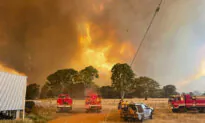
Cell broadcast technology is already used in countries including the United States, United Kingdom, Canada, Japan, and across the European Union. Authorities say the system could be deployed for bushfires, floods, cyclones, and major police operations.
Australia’s varied geography, from dense cities to remote outback communities, required careful testing before a national launch, McBain said.
“That’s why we will do community based trials, first in a range of not only urban and regional locations, but also remote locations, before we move to that national test,” she added.
How AusAlert Works
Unlike the current SMS-based system, AusAlert sends alerts directly through mobile towers to all devices in a specific area, rather than relying on individual phone numbers.
Because it does not function as a traditional text message, the system can operate even when networks are congested. Messages are delivered simultaneously to everyone within the targeted zone.
Devices do not require an active SIM card to receive warnings, and the system does not collect or store personal data such as phone numbers or location information.
In the most serious emergencies, the alert will override silent or “do not disturb” settings, emitting a loud alarm and vibration.
Why It’s Being Introduced
The overhaul comes amid escalating natural disasters and rising economic costs. Treasury analysis shows the first six months of 2025 cost the economy $2.2 billion.
The period included Cyclone Alfred, the first cyclone to strike south-east Queensland in 50 years, along with severe flooding across New South Wales’ Hunter and mid-north coast regions.
That disaster damaged about 10,000 buildings, left an estimated 1,000 uninhabitable, and claimed five lives.
With extreme weather events becoming more frequent and costly, the government says AusAlert will provide a faster, more precise way to warn Australians when minutes matter most.
 Friends Read Free
Copy
Facebook
Tweet
Friends Read Free
Copy
Facebook
Tweet