
U.S. forces have killed ISIS terrorist group leader Ali Husayn al-‘Ulaywi in an airstrike in northwestern Syria, U.S. Central Command (CENTCOM) has confirmed.
CENTCOM stated in a June 24 post on X that al-‘Ulaywi had been killed on June 19 in a precision strike conducted as “part of ongoing U.S. efforts to disrupt and eliminate terrorists seeking to attack Americans abroad or the U.S. homeland.”
It continues to work alongside regional partners in “rooting out remaining remnants of ISIS to ensure its enduring defeat,” CENTCOM Commander Adm. Brad Cooper said.
“We will continue to defend the U.S. homeland, our service members, and allies and partners across the region,” he said.
ISIS has declared a new phase of activity in Syria and has carried out several terrorist attacks since February against the government of Syrian President Ahmed al-Sharaa, himself a former jihadi who headed the Islamist group Hayat Tahrir al-Sham, which began as Al-Nusra Front, an affiliate of al-Qaeda, the Islamist terrorist group founded by Osama bin Laden.
Last year, al-Sharaa’s government joined the U.S.-led coalition to fight ISIS.
On June 20, ISIS claimed responsibility for an attack near the city of Manbij in Syria’s Aleppo Province.
At the peak of its power during the decade-long civil war, ISIS controlled about a quarter or more of Syria before being driven out of the territory by a U.S.-led coalition.
Targeting ISIS Financial Networks
The U.S. State Department announced on June 22 sanctions targeting the terrorist group’s financial networks.
State Department spokesman Tommy Pigott said that the department had targeted three individuals and six entities across the Middle East, Africa, and Europe “who have enabled ISIS to move money across borders—exposing a network that spans from France and Syria to Türkiye and Nigeria.”
“Under the leadership of President Trump, the United States is dismantling ISIS’s ability to finance terrorism around the world,” Pigott said.
“We are cutting off the financial lifelines from around the world that enable ISIS to fund attacks, support its regional affiliates, and threaten civilians, including religious minorities.”
Operation Hawkeye Strike
In December 2025, U.S. forces conducted targeted strikes against ISIS infrastructure in Syria in response to an ambush by an ISIS gunman in Palmyra, Syria, that killed two U.S. Army soldiers and a civilian interpreter, as well as wounding three others days earlier.
In a Dec. 19, 2025, X post, War Secretary Pete Hegseth said that the strike was “not the beginning of a war—it is a declaration of vengeance.”
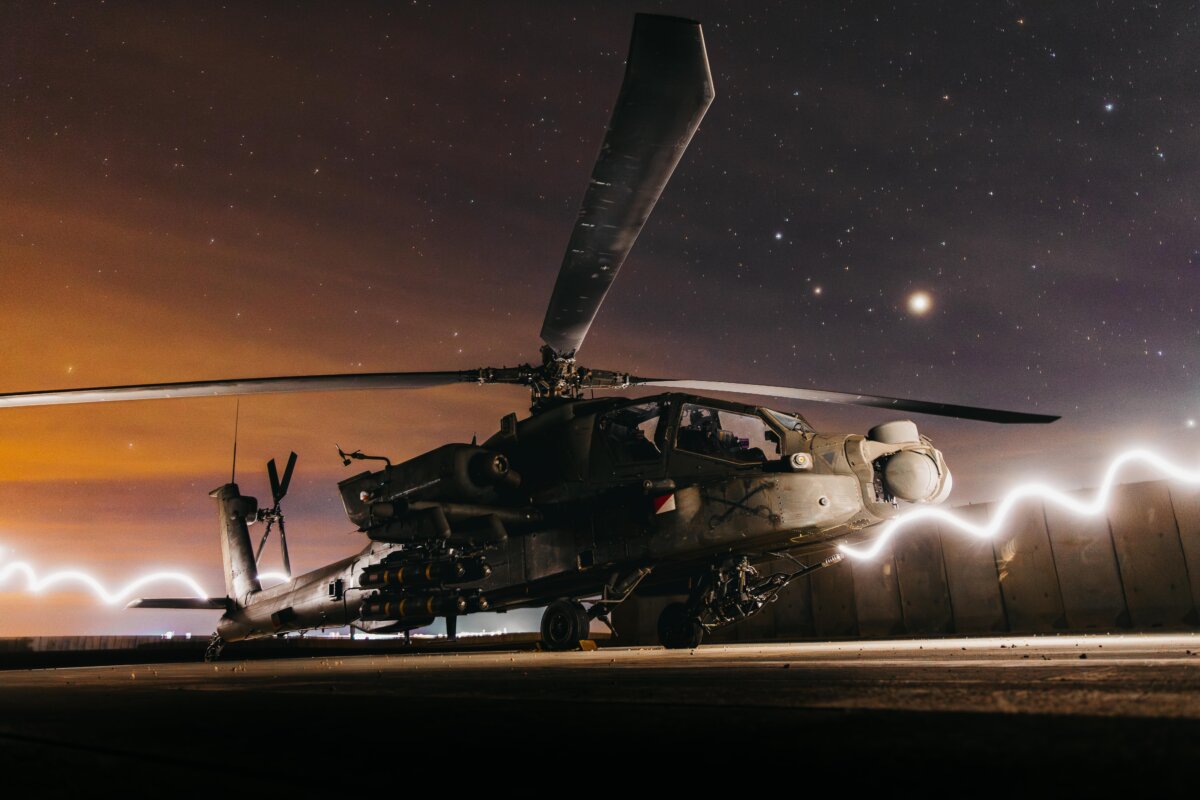
Directed by U.S. President Donald Trump, Operation Hawkeye Strike hit more than 70 targets at multiple locations in Syria, involving fighter jets, attack helicopters, and artillery.
The Jordanian Armed Forces provided support with their fighter aircraft during the mission.
The war secretary did not detail how many terrorists died in the strikes but said that since the U.S. citizens were attacked on Dec. 13, 2025, U.S. and partner forces had conducted 10 operations in Syria and Iraq, “resulting in the deaths or detention of 23 terrorist operatives.”
“As we said directly following the savage attack, if you target Americans—anywhere in the world—you will spend the rest of your brief, anxious life knowing the United States will hunt you, find you, and ruthlessly kill you,” Hegseth wrote on X at the time.
Reuters contributed to this report.
 Friends Read Free
Copy
Facebook
Tweet
Friends Read Free
Copy
Facebook
Tweet