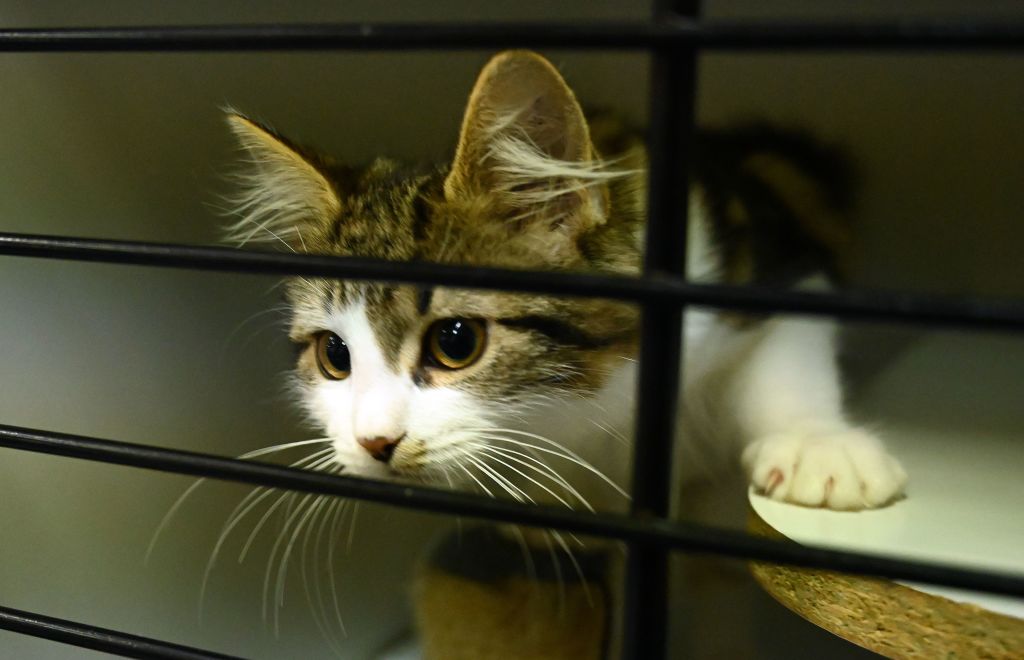

Shelters across Australia are under increasing strain, with operating costs rising dramatically and cost-of-living pressures increasing surrendered animals and reducing adoptions.
Managing Director of the Sydney Dogs and Cats Home, Melissa Penn, said some shelters are operating at or beyond capacity, and many are struggling to secure staff.
Penn told The Epoch Times in an email that the increased cost of living has inflated veterinary and staffing costs, putting the home under financial pressure.
The cost of living crisis is also delaying owners in seeking behaviour and veterinary care, resulting in more serious issues.
Many pets are not being desexed, leading to unplanned litters, contributing to the rising rates of surrenders and strays.
Penn said combining funding with stronger legislation and education could reduce the pressure on shelters and improve outcomes for animals and the community.
She said stronger enforcement and penalties for animal cruelty and abandonment, mandatory desexing and microchipping, and stricter regulation of breeders are required.
Operating Costs and Services of Animal Shelters
Marketing and Communications Manager at the Animal Welfare League of Queensland (AWLQ) Caroline Esera said the non-profit costs over $25 million a year to run.
“The organisation is 100 percent community funded. We receive no government assistance for our animal welfare work,” Esera said in an email to The Epoch Times.
The AWLQ saves over 11,000 animals annually through care and rehoming programs, including emergency surgeries, desexing, vaccinations, microchipping, worming, and rehabilitation.
Beyond the shelter, community outreach programs provide support for people and pets in crisis—offering emergency boarding, pet food pantries, and education initiatives.
Penn said it costs the Sydney Dogs and Cats Home over $4 million per year to operate.
She said council contracts and occasional grants make up half of the funding, while the rest is raised through donations, fundraising, and partnerships.
Without community support, Penn said the home may have to reduce services or intake, causing delays in reuniting lost pets and increasing stray animals in the community, presenting a safety risk.
Animal Care in the Australian Capital Territory
In the last few years, animal numbers and length-of-stay in shelters have both increased at most animal shelters and rescue groups in Canberra.
In an email to The Epoch Times, an ACT government spokesperson said Domestic Animal Services achieved a 100 percent rehoming rate of unowned dogs last financial year, rehousing 463 dogs.
The administration has also committed to continuing the Companion Animal Care Grant program, comprising $200,000 in funding.
Additionally, collaborations with the National Desexing Network (NDN) provide low-cost desexing services for pet owners in financial need.
NSW and Queensland Government Action
A Queensland government spokesperson told The Epoch Times that significant penalties apply to people who are cruel or breach their duty of care to an animal.
The spokeperson said the maximum penalty for cruelty or breach of care is $333,800 (US$220,000) or three years imprisonment.
It is also an offence to abandon or release animals under your charge, including leaving a pet by itself on holiday, with a maximum penalty of $50,070 or one year imprisonment.
The NSW government committed $6 million over the next four years to provide vital resourcing and support for animal rehoming organisations.
Additionally, rental reforms have made it easier to have pets in rental homes, potentially reducing the number of surrendered animals and increasing the number of potential pet owners who could adopt.
The Companion Animals Act 1998 (CA Act) and Companion Animals Regulation 2018 is also under review, examining all aspects of the care and management of companion animals in NSW.
 Friends Read Free
Copy
Facebook
Tweet
Friends Read Free
Copy
Facebook
Tweet