
Australia’s population grew overall by 423,400 people in the year to March 2025, reaching 27.5 million, but growth has slowed as overseas migration continues to fall.
Australian Bureau of Statistics figures show 315,900 people were added through net migration over the year—down from 493,800 in the previous 12 months.
Treasurer Jim Chalmers said the trend was clear, with migration easing well below Treasury forecasts.
“We are now 17,000 people lower than the Treasury forecast for net overseas migration. We are 40 percent below the peak that we saw in net overseas migration following COVID,” he said.
ABS head of demography Beidar Cho said the long-term picture remained one of steady growth.
“Our population at 31 March 2025 was 27.5 million people, that’s 423,400 more than the same time in 2024,” Cho said.
Sydney and Melbourne Absorb the Bulk
Despite the slowdown, New South Wales (NSW) and Victoria remain the country’s biggest magnets for new arrivals.
NSW recorded 96,761 net migrants, the highest of any state, with 187,816 arrivals offset by more than 91,000 departures. Victoria followed with 93,176 net arrivals, underscoring Melbourne’s continued population surge despite housing affordability pressures that can have a flow-on effect into regional areas.
Queensland was next with 54,535 net arrivals, followed by Western Australia (41,395) and South Australia (18,748).
Tasmania, the Northern Territory and the ACT also posted gains, highlighting ongoing population pressures in Sydney and Melbourne alongside strong growth corridors in Queensland and Western Australia.
In terms of net domestic migration, NSW (most likely Sydney) continued to lose the largest volume of residents (-26,560 people) with Queensland and Western Australia gaining the most at 24,015 and 11,675.
Natural Increase Lifts Quarterly Numbers
Natural increase—births minus deaths—added 107,400 people in the year to March.
In the March quarter alone, natural increase was 34,200, almost 50 percent higher than the previous quarter.
The same quarter saw 110,100 net overseas arrivals, up 44,000 on the previous three months, hinting migration may be stabilising after a year of declines.
All states and territories grew over the year. WA recorded the fastest growth at 2.3 percent, adding 67,500 people. Victoria and Queensland both rose 1.8 percent, while NSW grew 1.2 percent. Tasmania recorded the weakest growth at just 0.2 percent.
Population Pressures Ignite Protests
The release of the ABS data comes amid fierce political debate.
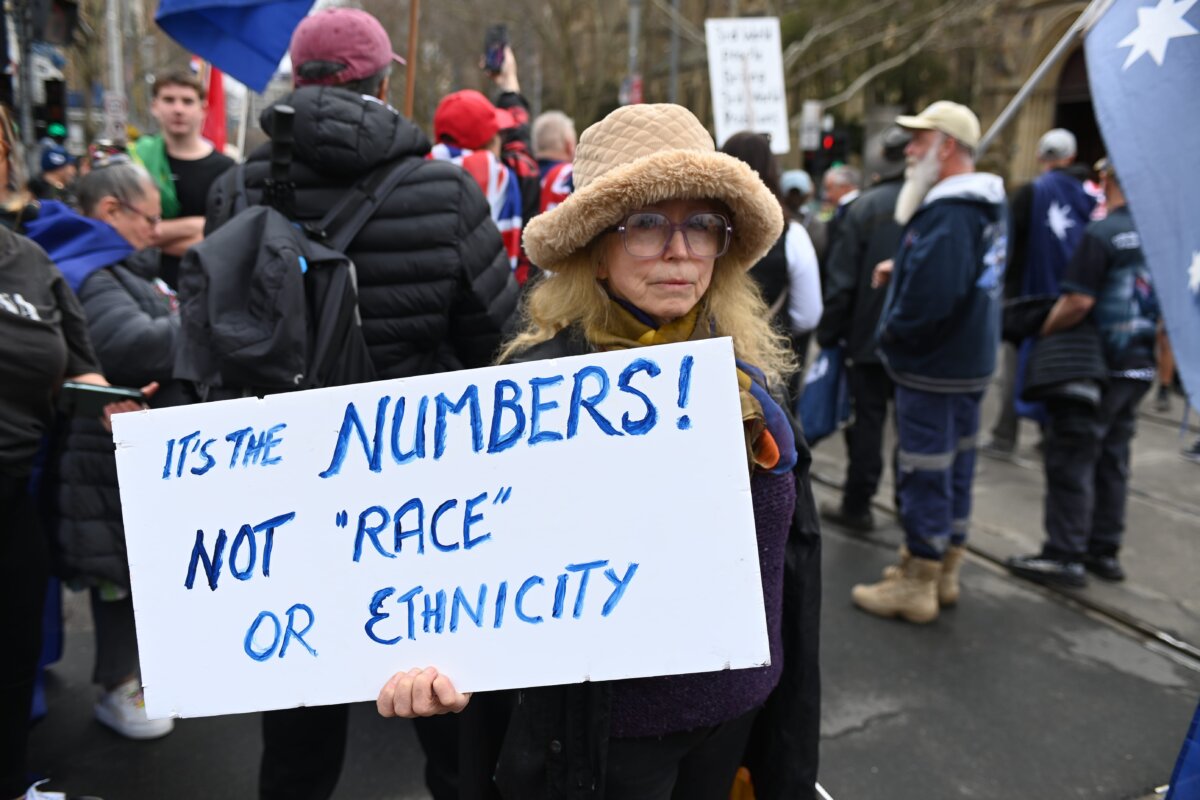
Just weeks earlier, rallies against immigration policy drew thousands across Australia, and were attended by figures like One Nation leader Pauline Hanson and MP Bob Katter. Marchers demanded cuts to migration, citing pressure on housing, wages, infrastructure, and community life.
A day after the marches, Canberra confirmed the permanent migration intake for 2025–26 will remain capped at 185,000. Home Affairs Minister Tony Burke said the decision was shaped by advice from states and territories—not by pressure from protesters.
 Friends Read Free
Copy
Facebook
Tweet
Friends Read Free
Copy
Facebook
Tweet