
B.C. has released guidelines for physicians treating those under 19 with a combination of mental health and substance use issues, stipulating that physicians should contact the youth’s parents.
The guidelines were released on Dec. 5 and include direction for physicians to notify parents and have the youth involuntarily detained if they are unable or unwilling to seek help on their own.
Earlier this year, the province released guidelines for involuntary treatment for adults, which clarifies for physicians when involuntary treatment is appropriate.
Both sets of guidelines were created by Dr. Daniel Vigo, B.C.’s first chief scientific adviser for psychiatry, toxic drugs, and concurrent disorders.
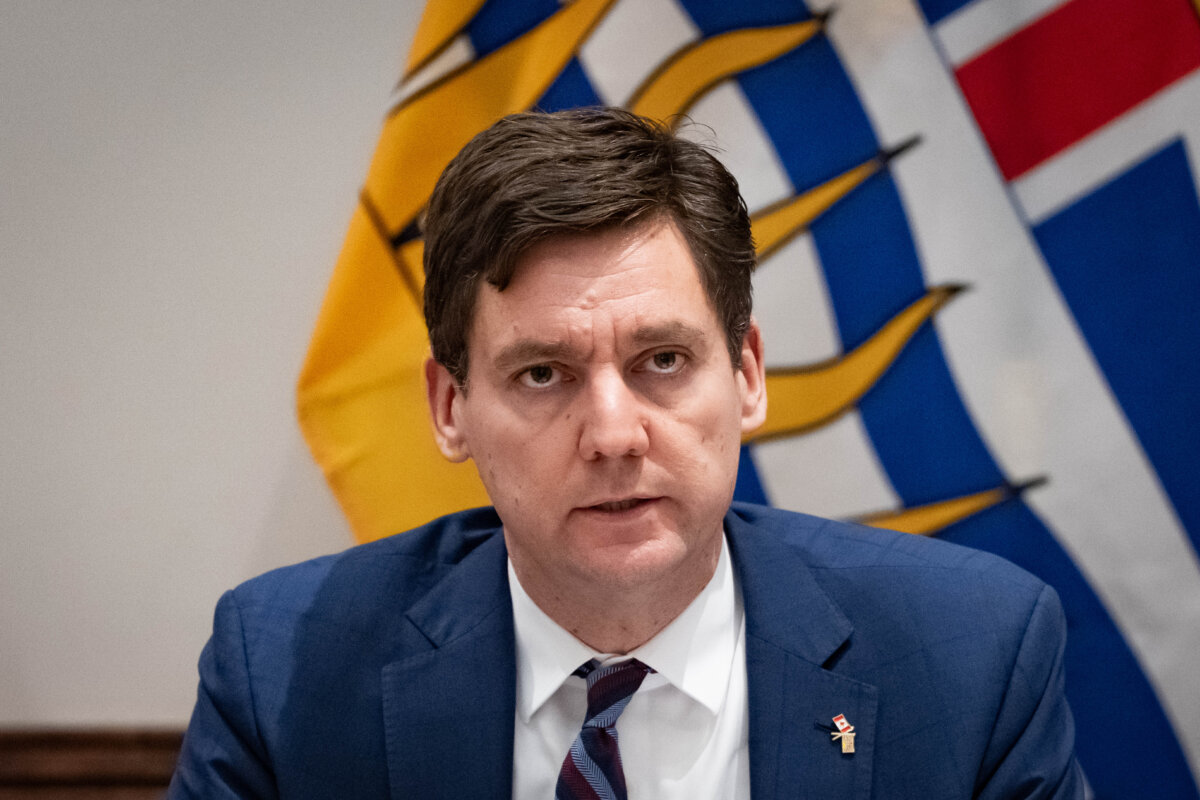
Premier David Eby said the guidelines were needed to offer medical professionals clarity on what they can do to help those with drug addiction.
“At the front line in the emergency rooms, physicians had different understandings of what their authorities were under the Mental Health Act, what they could do to help people who came in a crisis because of an overdose,” Eby said during a Dec. 5 news conference.
He said that options for treatment varied from hospital to hospital, and depended upon whether a doctor would feel comfortable intervening.
“That inconsistency is obviously a serious issue, but it is a catastrophic issue where it is a life and death matter,” he said.
Vigo said the rights of the child should also be protected using the “least restrictive intervention possible.”
“The least restrictive intervention is admitting and treating the child even if it is against their wishes, trying to prevent brain injury and death, which is what truly restricts freedom and choice,” he said during the news conference.
He said that the guidelines direct physicians to connect with a youth’s parents if the child shows up with a severe disorder that impairs their decision making for care.
‘Mature Minor’
Vigo noted that under previous guidelines, some youth could be considered “mature minors” and were permitted under B.C. law to make their own health care decisions independent of their parents or guardians.
The parents of Elliot Eurchuk, who died of an overdose in 2018 when he was 16 years old, said the “mature minor” legislation prevented them from saving their son.
“One of the most painful failures of our past system was the way the law allowed Elliot, while clearly impaired by a substance use disorder and severe mental confusion, to make his own medical decisions,” Eurchuk’s mother, Dr. Rachel Staples, said at the news conference. “He was a child and a child in crisis, yet we as parents had no legal ability to step in and protect him. The system treated him as capable when he was anything but.”
The province also said that as of Dec. 3, those detained under the Mental Health Act have a legal right to speak with an independent rights adviser, including those under 19 years of age.
A B.C. Coroners Service report found that between 2020 and 2024, the leading cause of death for those aged 15 to 18 years was unregulated drug toxicity, which was also the third leading cause of death among B.C. children aged 10 to 14 years. It accounted for 121 of the 1,536 child deaths in that time period, according to the report.
The Canadian Press contributed to this report.
 Friends Read Free
Copy
Facebook
Tweet
Friends Read Free
Copy
Facebook
Tweet