
BC Parks plans to close Joffre Lakes Park to the public for a week this summer and for 23 days this fall to allow local First Nations the opportunity to “connect with the land.”
Similar closures have been carried out over the past few years, cutting off public access to the hiking trails and lake areas at the southwestern B.C. park 35 kilometres east of Pemberton.
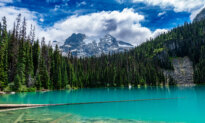
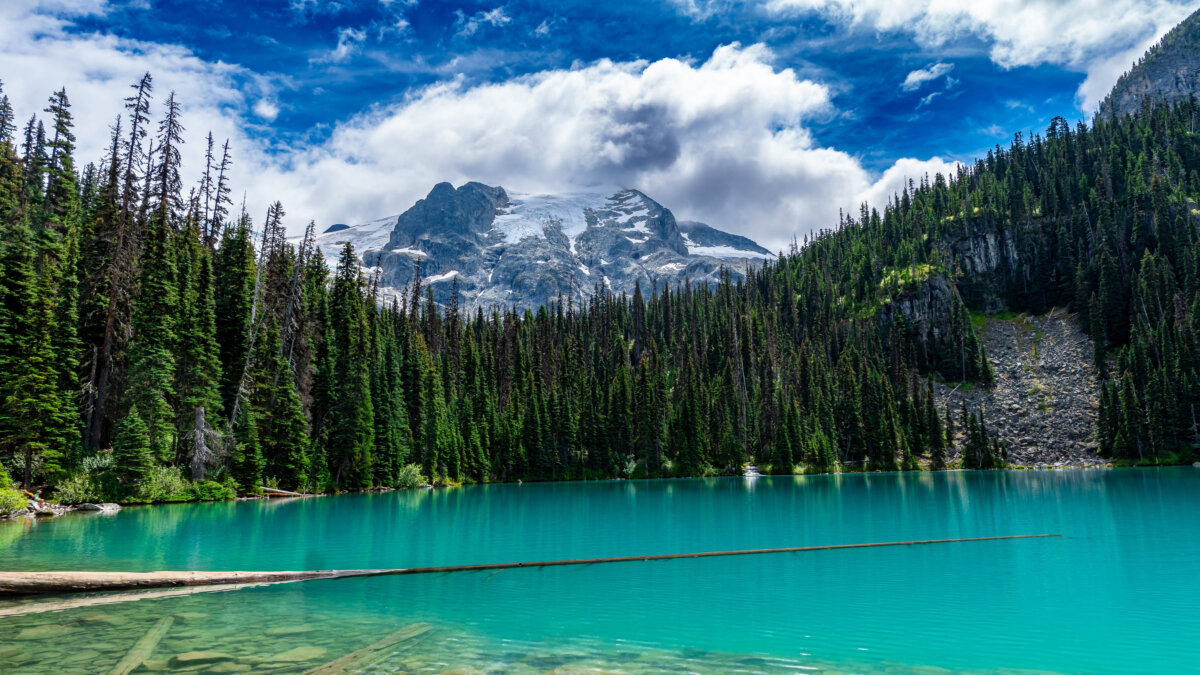
The park, known for its icefields and turquoise-blue lakes, will shut its gates to the general public from June 20 to 27 and from Sept. 8 to 30 to recognize “the importance” of the area to the Líl̓wat Nation and N’Quatqua, BC Parks said in a notice on its website.
“These periods will provide space for the Líl̓wat Nation and N’Quatqua to connect with the land,” the provincial agency said. “Day-use passes are not available during these periods.”
The June shutdown will occur at the same time Vancouver hosts the FIFA World Cup. The second closure, which spans more than three weeks, will occur after the typical summer vacation period has ended.
Líĺwat Nation Political Chief Dean Nelson said Joffre Lakes Park lies within the unceded territories of the Líĺwat Nation and N’Quatqua and is “integral” to their indigenous heritage.
“The establishment of Joffre Lakes Park has served to protect this unique and beautiful place from impacts of industrial activities, however, it also disrupted our traditional use and access to these lands,” Nelson said in a statement.
Both First Nations are working with BC Parks “in good faith” to address what Nelson described as the “challenges” his people face with the ever-growing popularity of the provincial park.
“We are striving to build a new relationship with BC Parks based on mutual respect and the recognition of our Aboriginal title and rights,” he said.
The closures scheduled by BC Parks are part of the province’s reconciliation efforts. BC Parks said it is working with local indigenous peoples to better respect their connection to the land as well as their “diverse teachings, traditions, and practices within these territories.”
Conservative MLA David L. Williams, who represents the southern interior riding of Salmon Arm-Shuswap, criticized the province’s decision in a recent social media post.
“This is unacceptable,” he said in a May 9 X post. “Public lands are for public use. The park was developed with taxpayers’ money.”
Tory MP Aaron Gunn, who represents the B.C. riding of North Island-Powell River, expressed a similar sentiment.
“Access to public lands should never be determined based on ancestry, ethnicity, race or any other immutable characteristic,” Gunn said on X. “We are all Canadians. Policies like this divide rather than unite us together as one.”
The class A provincial park, established in 1996, is known for its sweeping views, thanks to its rugged peaks and rushing streams, and offers numerous opportunities for hiking, camping, and climbing.
The waters of Lower, Middle, and Upper Joffre lakes are among the park’s main attractions. Their vibrant hue is a result of the rockflour—or glacial silt—that remains suspended in the water, according to the BC Parks website.
Joffre Lakes Park also contains valuable biodiversity and fragile ecosystems and the harvesting of mushrooms or any other crops is forbidden except for indigenous peoples and harvesting permit holders, the provincial agency said.
BC Parks is the provincial agency responsible for the protection of more than 14 million hectares within 1,000 provincial parks, recreation areas, and ecological reserves in British Columbia. These areas cover 14.26 percent of the province’s land base, making it one of the largest park systems in North America.
 Friends Read Free
Copy
Facebook
Tweet
Friends Read Free
Copy
Facebook
Tweet