B.C. Premier David Eby says his government will give $154 million in loan guarantees to private landowners impacted by the Cowichan aboriginal title ruling.
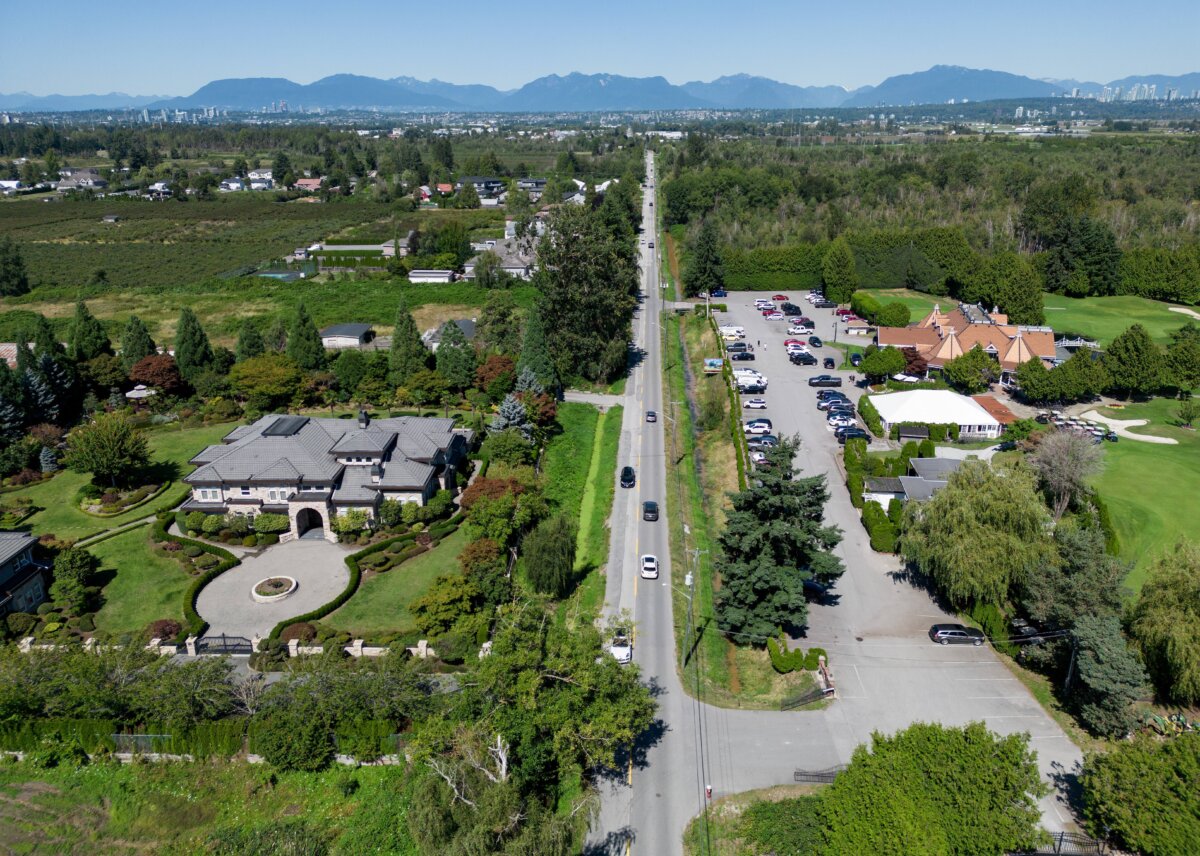
The Aug. 7 B.C. Supreme Court decision by Justice Barbara Young granted the Cowichan Nation aboriginal title to around 750 acres of land in Richmond, B.C., citing their historical village and fishing grounds in the area.
Young held that municipal and Crown land titles in the area held by the City of Richmond, federal government, and Vancouver Fraser Port Authority were “invalid” because aboriginal title had not been lawfully extinguished, and issued a suspended sentence giving 18 months for the affected land to be transferred.
Although Cowichan Nation made no claim on private property in the case and would have to undertake new litigation to pursue it, Young’s ruling has created uncertainty for some private landowners over the future of their private title.
In light of the ruling, some Richmond residents in October received a letter by Richmond Mayor Malcolm Brodie advising that the ruling could “compromise the status and validity” of private properties in the affected area. Representatives from the B.C. government have also reached out to potentially impacted private property owners in an information campaign that started last month.
Eby said the loan guarantees for those in the area potentially impacted by the ruling may include $100 million in guaranteed financing for Montrose Properties, the largest private landholder in the impacted area, along with $54 million for additional private property owners. He added that the final amount may be higher.
A loan guarantee means that the government acts as a backstop to a loan issued by a bank or institution and commits to repay the lender if the borrower defaults on the loan. The news comes as some residents had said financial institutions have refused to renew their mortgages.
Montrose owns around 296 acres of the 750 acres for which aboriginal title was granted. Although its private ownership was not contested in Cowichan’s case, the company said that a prior lender turned it down for $35 million in financing due to concerns over the Cowichan ruling. Montrose also said talks about further projects it wants to undertake have come to a halt.
Further specific impacts from the Cowichan decision include recent news that an Ontario company that put down a deposit to purchase the luxury Versante Hotel in Richmond backed out of the deal due to the “uncertainty” it said was caused by the ruling.
The hotel near the Vancouver International Airport was bought instead by a Hong Kong buyer this October for $51.5 million.
Although the value of the Ontario company’s previous deal wasn’t revealed, lenders said the company owed them $113 million in debt related to the project at the end of August.
Richmond City Councillor Alexa Loo said Dec. 10 that the B.C. government is not doing enough to protect private property owners in Richmond.
“I think they messed up quite badly, and they’re not truly protecting property owners in Richmond,” Loo said.
The government of Canada as well as B.C. and the City of Richmond are filing appeals against the Cowichan decision. Eby said Dec. 10 that it’s necessary for the province to do all it can to “defend” private property in the province.
“Whether it’s a family home or an industrial park owned by a business, we have to go to the wall to defend those private properties, and that is the end of the story,” Eby said while speaking to a crowd of business leaders Vancouver.
BC Conservative Interim Leader Trevor Halford said the provincial government has brought in uncertainty when it comes to land ownership with its past decisions.
“BC families and businesses now need taxpayer backed loan guarantees just to keep financing their homes and projects,” Halford said on social media on Dec. 12.
“This is the fallout of David Eby’s DRIPA gamble and legal chaos around property rights. When government breaks certainty, British Columbians pay the price.” DRIPA refers to the provincial legislation that adopts the U.N. Declaration on the Rights of Indigenous Peoples (UNDRIP) as law in B.C.
The Canadian Press contributed to this report.
 Friends Read Free
Copy
Facebook
Tweet
Friends Read Free
Copy
Facebook
Tweet