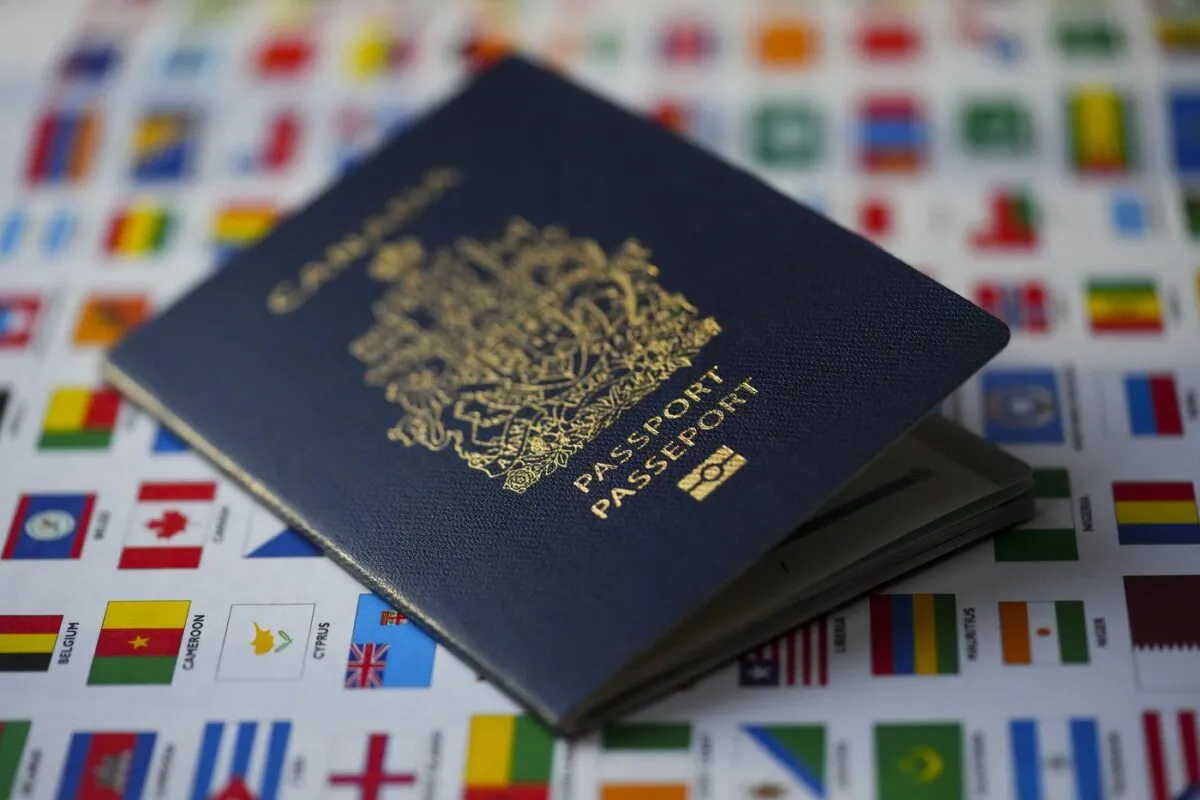

The trend of “birth tourism” is picking up again in Canada following a sharp decline during the height of the COVID-19 pandemic, a report analyzing deliveries from non-residents in hospitals suggests.
The report, published Dec. 17 by think tank Policy Options, indicates there is a 4 percent increase in births to temporary residents—including women on visitor visas, international students, and temporary foreign workers—during the 2024–25 fiscal year compared to the previous year.
The study, which analyzed data from the Canadian Institute for Health Information (CIHI), states that the increase to 5,430 non-resident births across the country “more than double” the pandemic average of 2,339—a rising trend that occurred in every province except British Columbia.
“The CIHI figures show that, after dropping by a full 50 percent during the pandemic, the number of ‘non-resident self-pay’ births (children born to individuals who are temporary residents and are responsible for covering the cost of hospital deliveries) had returned to pre-pandemic levels last year,” author Andrew Griffith wrote.
Canadian hospitals recorded a pre-pandemic peak of 5,698 births to non-residents in 2019–20, the study indicated, citing CIHI data that documented a steady rise in non-resident births from 1,863 in 2010–11.
A breakdown by provinces saw Ontario leading the way with 2,895 such births in 2024–25, followed by Quebec with 1,417. British Columbia and Alberta took the third and fourth spots with 542 and 345, respectively.
The rise of birth tourism in 2024–25 is notable, according to Griffith, given that the federal government has made policy changes of late related to immigration that led to a 31 percent decrease in international student visas issued and a 21 percent decline in the number of temporary foreign workers entering Canada.
However, the author, a former director general at the federal immigration department, said the number of children born to foreign-born mothers is “relatively small compared to overall immigration numbers.” The CIHI data included in his research indicates that the percentage of non-resident births has stayed under 2 percent of total births in the country since 2010–11.
Debate
The issue of birth tourism has sparked debate in Parliament in recent months. In early October, Conservative MP Michelle Rempel Garner told the Commons immigration committee that birth tourism levels were 590 percent higher than when former Prime Minister Stephen Harper left office in 2015.
“Without changes to the current unrestricted system of birthright citizenship, as well as with the federal government’s relatively porous border policies, Canada risks inviting further organized birth tourism and immigration fraud, as well as further clogging an overwhelmed processing and appeals pipeline,” said Rempel Garner, who serves as immigration critic, on Oct. 7.
The statute granting citizenship at birth has been in place since 1946, but the Tory MP said a change is warranted given the high levels of immigration under the Liberal government over the past decade of “misguided” policies.
Her comments came as she was tabling an amendment seeking to remove the automatic granting of citizenship to individuals born in Canada, as outlined in the Liberals’ Bill C-3, also known as An Act to amend the Citizenship Act (2025). Her motion to curb birthright citizenship eventually didn’t pass committee vote.
Liberals’ Stance
Immigration Minister Lena Metlege Diab declined to comment on birthright citizenship during a scrum with reporters in Ottawa on Oct. 8. However, she said she looked forward to seeing C-3 “advancing through the House.”
Justice Minister Sean Fraser, who previously served as immigration minister, said during the scrum that birthright citizenship should be maintained. “I think when you start to pick and choose who amongst Canadians gets the full benefits of citizenship, you obviously enter into a very troublesome conversation,” he told reporters.
Another former immigration minister, Marc Miller, who currently serves as culture minister, similarly commented on Oct. 8 that if a person is born in Canada, “you have a connection here and you have the right to be here. I think that’s a pretty fundamental principle.”
Bill C-3 came in response to an Ontario Superior Court ruling in 2023 that said imposing a first-generation limit on citizenship for many people, which resulted from legislative changes made by the Harper government, is unconstitutional.
Both the Conservatives and Bloc were unsuccessful in their attempts to pass amendments to Bill C-3 to make obtaining automatic citizenship harder. The Liberals, with the support of the NDP, passed a motion in the House of Commons on Nov. 3 that removed the amendments the opposition parties had adopted in committee. Those amendments would have imposed similar requirements to individuals receiving citizenship under C-3 as other prospective immigration applications in terms of language requirements, knowledge of Canadian history, and security checks.
Another amendment would have meant the “substantial connection” to Canada requirement for parents to pass down citizenship would have to take place within five consecutive years, rather than in 1,095 days (three years) accumulated over an unspecified time frame.
Bill C-3, which passed in the House on Nov. 5 with support from the NDP and Green Party, received royal assent 15 days later and came into effect on Dec. 15. The new law allows Canadian parents born abroad to pass on citizenship to their foreign-born children beyond the first generation, restore citizenship for those who lost it under previous rules, and make it easier for adopted children to receive citizenship.
Olivia Gomm and Noé Chartier contributed to this report.
 Friends Read Free
Copy
Facebook
Tweet
Friends Read Free
Copy
Facebook
Tweet