
The main opposition candidate in Guinea-Bissau has claimed victory in a presidential vote this week and accused the West African nation’s leader of staging a military coup to avoid defeat.
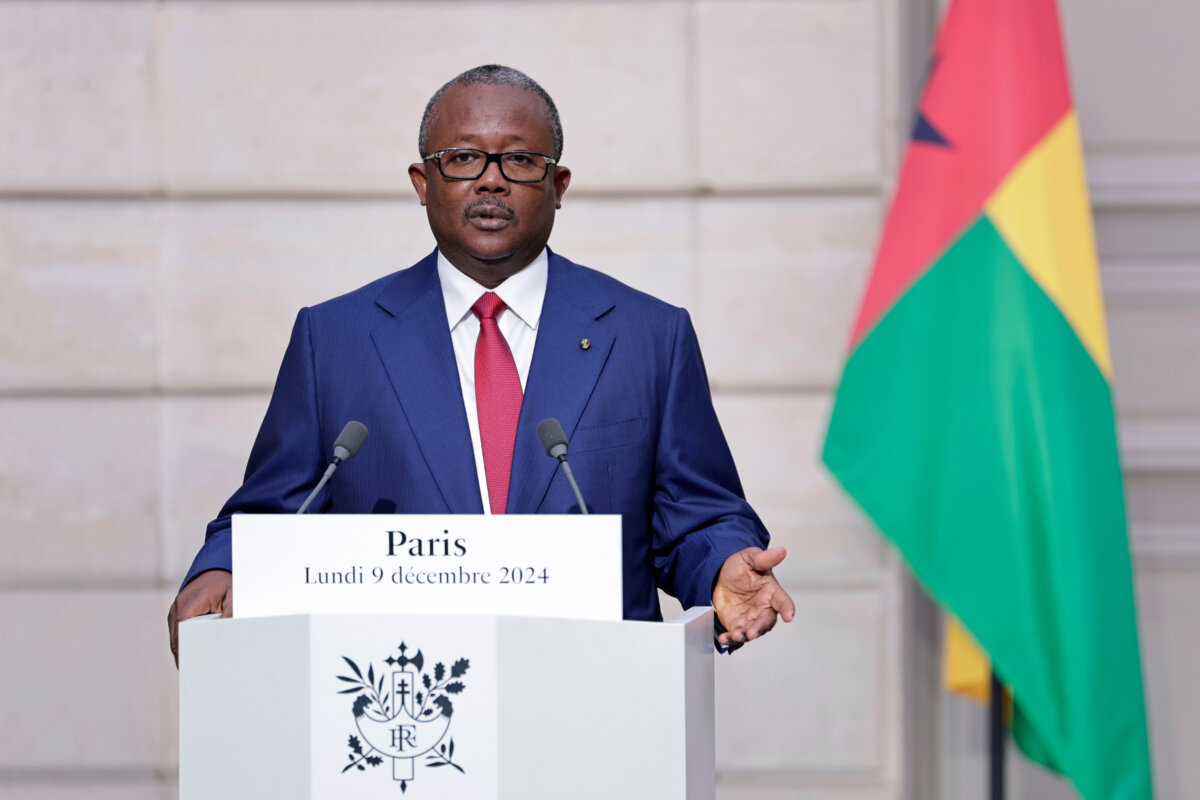
On Nov. 26, soldiers appeared on state television to say they had seized power and arrested Bissau-Guinean President Umaro Sissoco Embaló. His rival Fernando Dias has said the military takeover was “fabricated” to disrupt the election results, which are expected on Nov. 27.
The opposition African Party for the Independence of Guinea and Cape Verde was barred from the ballot, prompting its leader, former Prime Minister Domingos Simões Pereira, who was a runner-up in the 2019 election, to back Dias, who is a member of the Social Renewal Party.
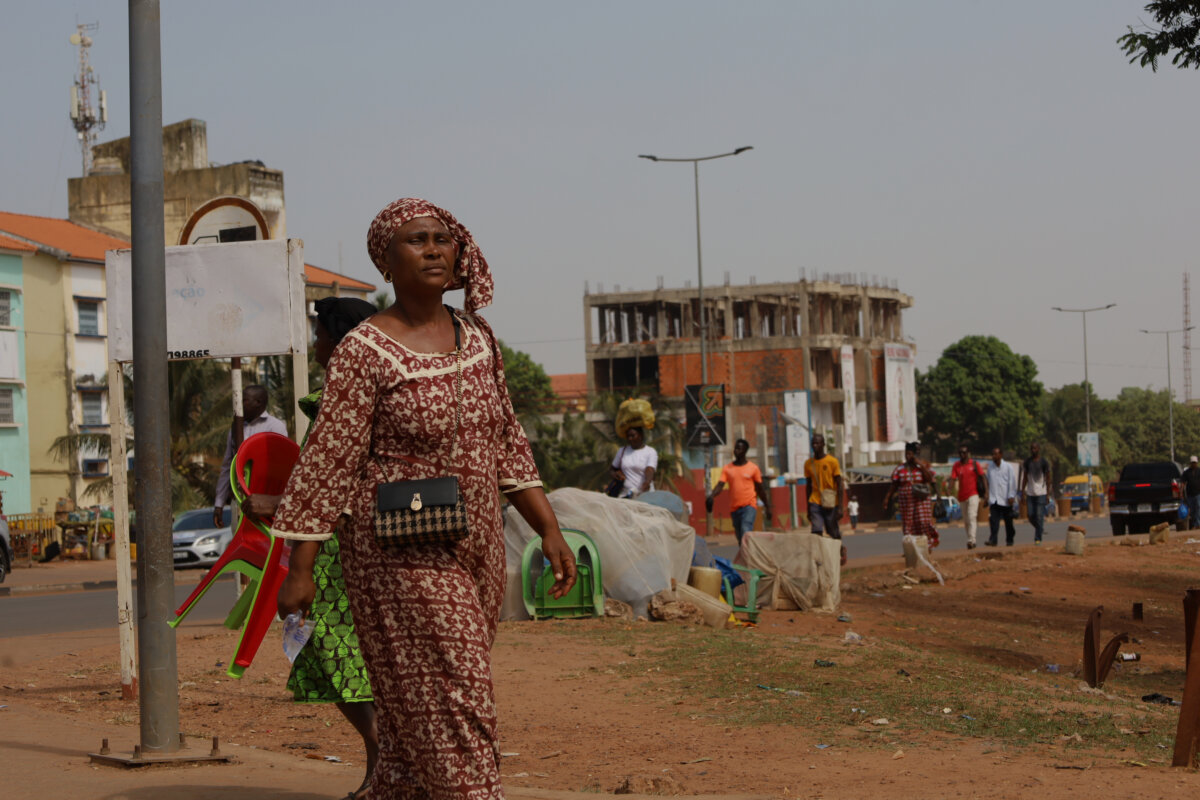
Dias and his backers called on residents to stage protests over the reported coup and demand publication of the election results. By morning on Nov. 27, life appeared to be running much as normal in the capital, Bissau, with businesses open and transport operating.
Guinea-Bissau is one of the world’s poorest countries, with a population of about 2.2 million, and is used as a hub for drug trafficking between Latin America and Europe.
The former Portuguese colony has been dogged by coups and attempted coups since its independence more than 50 years ago, including a bid to seize power in October.
Gunshots rang out in Bissau just days after the tense vote in the presidential election, with Embalo and Dias both claiming victory, and the provincial results still to be announced.
After military officers appeared on state television and claimed to have seized power, Embaló, who was seeking a rare second term, told French media he had been arrested while the election commission’s office was sealed.
‘Fabricated a Coup’
Dias, 47, said in a video that he had escaped custody “through a backdoor” following reports he was arrested by soldiers.
“Umaro lost the elections, and instead of accepting the result, he fabricated a coup d’état,” Dias said. “Once again, we have been the target of false coup d’état. … We will liberate ourselves.”
The nation was left facing a crisis as the opposition said the tenure of Embaló, a 53-year-old former army general, had long expired and refused to recognize him as president.
Guinea-Bissau’s constitution sets the presidential term at five years. Embaló first came to power in February 2020. The opposition says his term should have ended on Feb. 27 of this year, but the nation’s Supreme Court ruled it should run until Sept. 4.
The presidential election was delayed until this month.
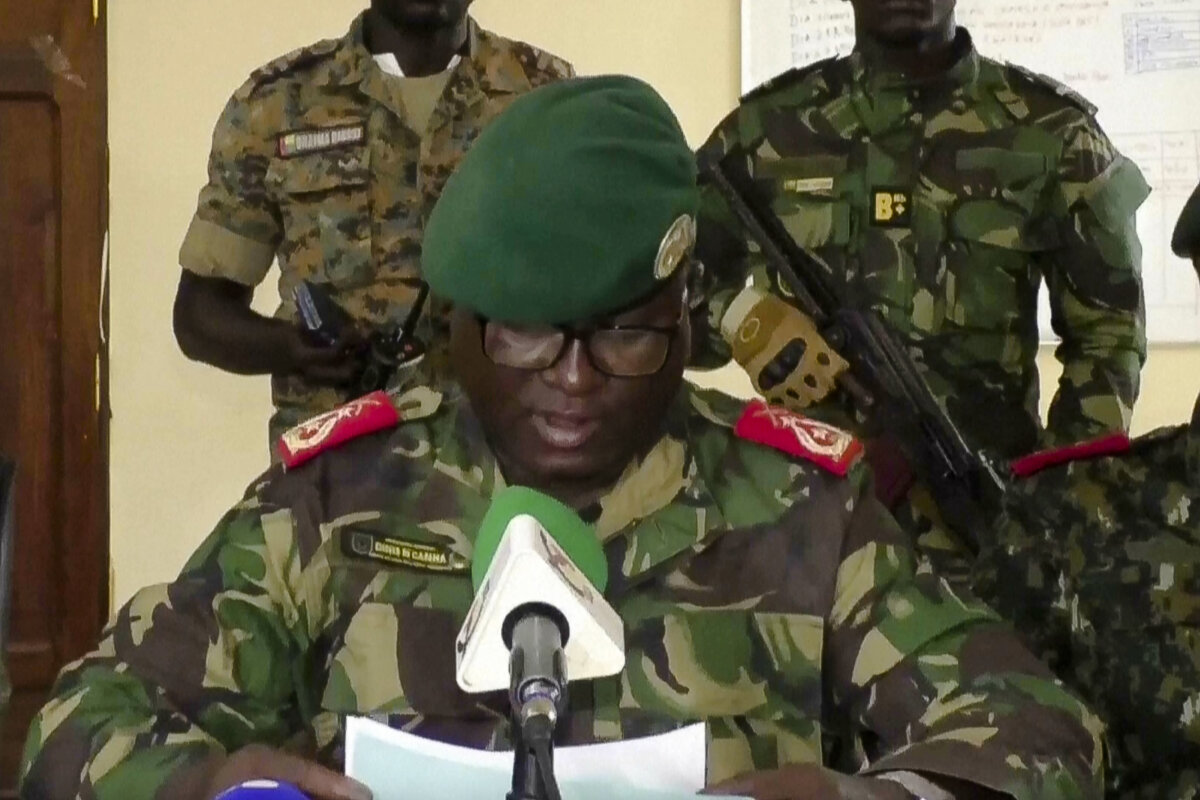
The military officers who announced they had deposed the president cited the “discovery of an ongoing plan … to manipulate electoral results.”
The “scheme was set up by some national politicians with the participation of a well-known drug lord, and domestic and foreign nationals,” military spokesperson Dinis N’Tchama, who appeared on television flanked by other soldiers, said.
The soldiers said they were immediately suspending the electoral process and the activities of media outlets, as well as closing all borders.
The civil society coalition Popular Front on Nov. 26 accused Embaló and the army of staging a “simulated coup” to halt the release of election results and cling to power.
“This maneuver aims to prevent the publication of the electoral results scheduled for tomorrow, Nov. 27,” the group said in a statement on social media.
The group claimed that Embaló plans to name a new president and interim prime minister before calling a fresh election, in which he intends to stand again.
Regional Instability
The United Nations said it was following the situation “with deep concern.”
U.N. Secretary-General António Guterres “appeals to all national stakeholders in Guinea-Bissau to exercise restraint and respect the rule of law,” his spokesperson told reporters.
In a joint statement, the leaders of the African Union Election Observation Mission, the Economic Community of West African States’ Election Observation Mission, and the West African Elders Forum denounced what they called a “blatant attempt to disrupt the democratic process” and urged a return to the “constitutional order.”
They also called for the immediate release of detained election officials.
The wider West African region has seen a wave of coups since 2020, with three landlocked nations, Mali, Niger, and Burkina Faso, now ruled by military leaders who have taken power by force.
The Associated Press contributed to this report.
 Friends Read Free
Copy
Facebook
Tweet
Friends Read Free
Copy
Facebook
Tweet