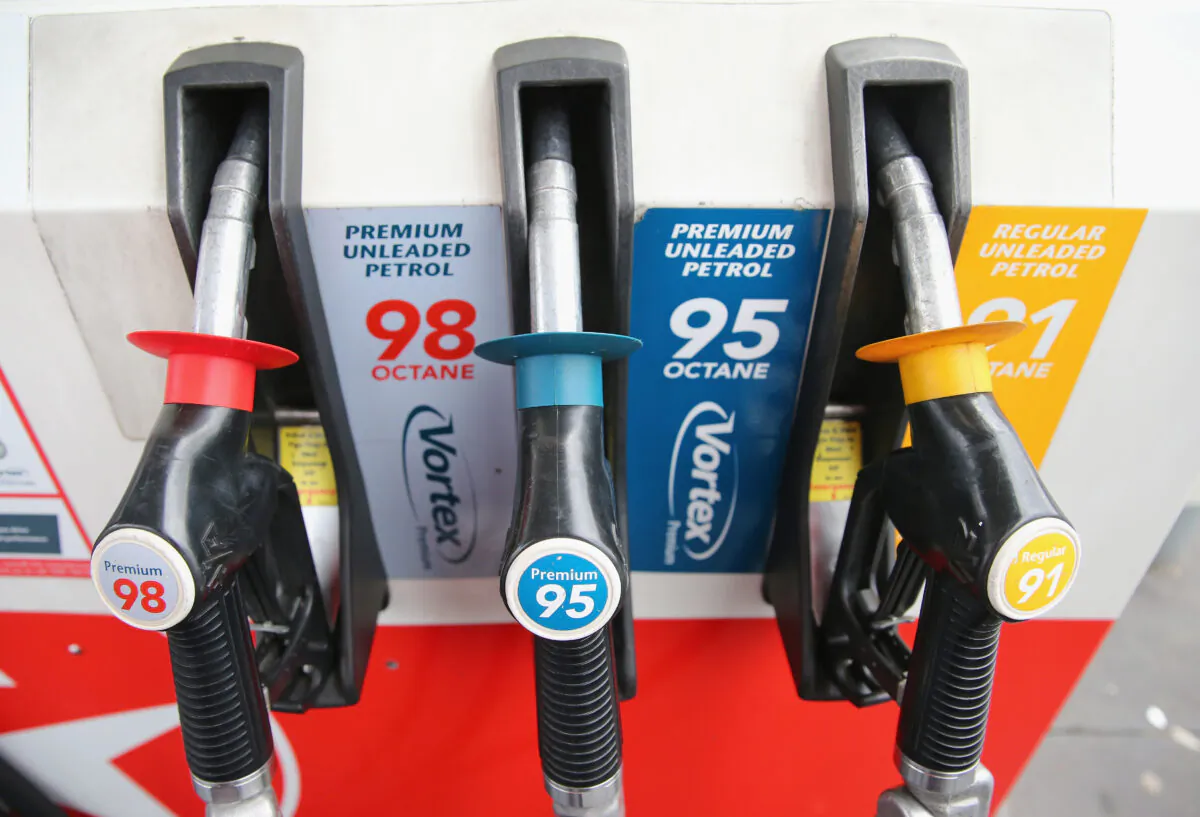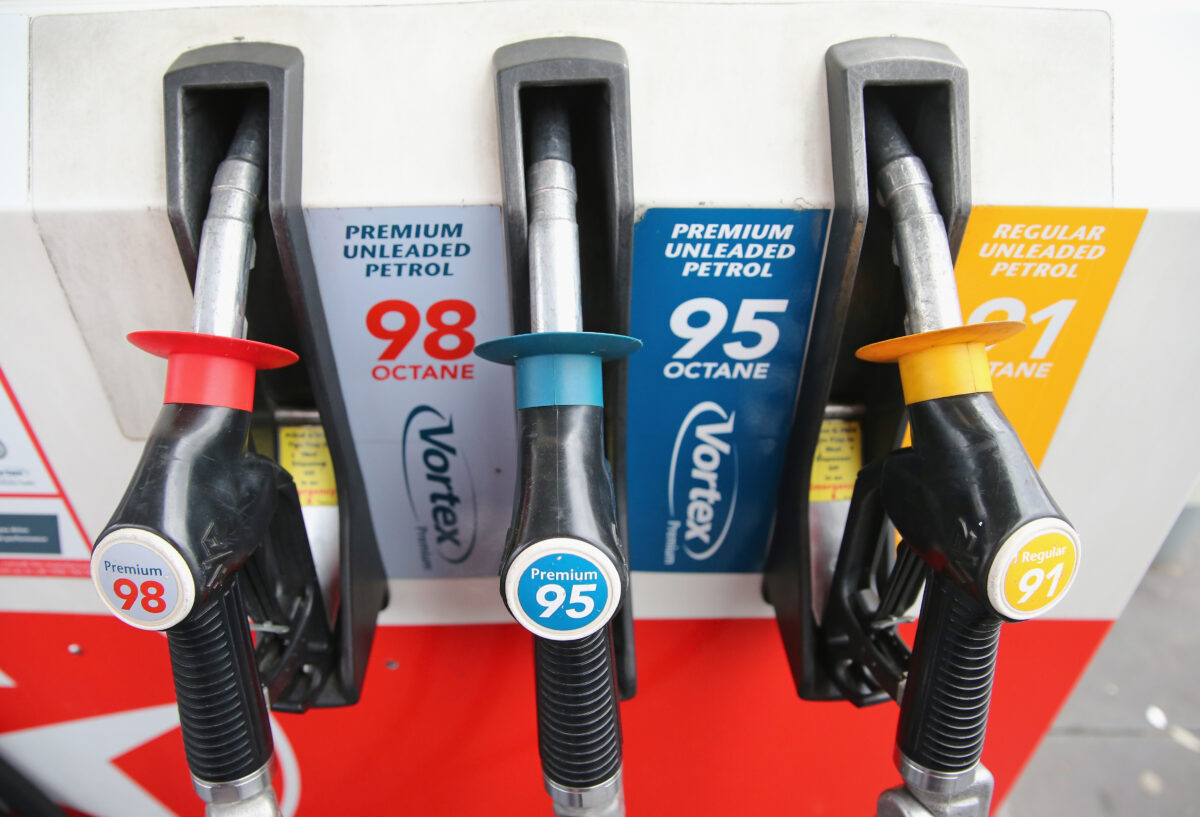

Energy Minister Chris Bowen has pushed back against calls for Australia to maintain a 90-day domestic fuel stockpile, arguing the proposal would be extremely costly and unnecessary under current fuel security arrangements.
Bowen said Australia had never maintained a 90-day reserve and criticised Coalition figures who have recently called for the country to adopt the benchmark recommended by the International Energy Agency (IEA).
He said the stockpile would cost $20 billion over the next four years.
“Now, I’ve seen David Littleproud and Ted O’Brien saying they want to move to 90 days, well, I look forward to seeing the costings,” he told RN Breakfast on March 10.
He also added that Australia did not have a 90-day reserve under the Abbott-Turnbull or Morrison regime.
He further said the IEA’s 90-day rule is designed to allow countries to release fuel reserves during major supply shocks or when international supply routes are disrupted to help stabilise global prices.
Australia instead relies on the Minimum Stockholding Obligation (MSO) introduced by the federal government in 2022 to strengthen domestic fuel security.
It requires fuel importers and refiners to hold minimum supplies of petrol, diesel, and jet fuel in Australia, including cargo currently on ships en route to the country.
Meanwhile, Nationals leader David Littleproud raised concerns about the potential impact on the agricultural sector.
He said the government should intervene to ensure fuel is available to farmers.
“If farmers cannot get fuel, they cannot farm … This is a food security issue,” he posted on social media.
Government Defends Supply Levels
Bowen maintained that Australia’s current fuel arrangements remain sufficient and warned that panic buying would only create unnecessary pressure on the system.
He said Australia currently has about 32 days of petrol reserves.
“My key message is that every single expected arrival diesel supply in recent days and expected in coming days and weeks has arrived on schedule as expected, so there is no need for panic buying,” he said in a press conference early in the day.
Bowen acknowledged concerns about global supply chains but said the government’s fuel security measures were working.
“While there are challenges and uncertainties in all international supply chains at the moment, the preparations that the government has put in place for the minimum stock obligation are working. If it’s necessary to access those minimum supplies, we will, but we’re not there at this point.”
He added that the current situation reflects a spike in demand rather than a disruption to supply, saying that while he understood the concerns, fuel availability remained stable.
 Friends Read Free
Copy
Facebook
Tweet
Friends Read Free
Copy
Facebook
Tweet