
Canada’s annual inflation rate rose to 2.4 percent in September driven by a smaller decline in gasoline prices on a yearly basis when compared to the previous month and an uptick in the cost of food, newly released data suggests.
The year-over-year increase in the Consumer Price Index (CPI) in September is half a percent higher than the 1.9 percent rise recorded in August, Statistics Canada said in an Oct. 21 report.
The CPI is the most important data point to be released before the Bank of Canada’s upcoming monetary policy meeting, which is set for later this month. Economists will pay close attention to this data to determine if the central bank is likely to lower rates again.
Money markets have been predicting a chance of a 25 basis point rate reduction on Oct. 29. If those forecasts are accurate, the benchmark policy rate would drop from 2.5 percent to 2.25 percent.
Bank of Montreal chief economist Douglas Porter isn’t optimistic that will be the case, however, and called the CPI rate announced by StatCan “a setback.”
“Suffice it to say this will make the Bank of Canada’s decision a bit more interesting next week than previously expected,” Porter said in an Oct. 21 note, adding that markets had “been all but baking in a rate cut” after Bank of Canada Governor Tiff Macklem’s “dovish remarks” and the “soft” Business Outlook Survey the bank released on Oct. 20.
A dovish monetary policy stance emphasizes economic growth rather than inflation control, and favours low interest rates to encourage borrowing, spending, and job creation. This approach is typically employed during periods of economic downturn and may include measures such as reducing interest rates.
Porter said BMO has been “on the dovish side of the ledger” and had called for the Bank to eventually cut the overnight rate to 2 percent, but the new CPI data means another cut this month is less likely.
TD senior economist Andrew Hencic is more optimistic the Bank of Canada will cut rates during its Oct. 29 decision.
“The Bank of Canada should still have room to deliver another cut,” he said in a note to investors. “The economic outlook is fraught with risks, and the elevated unemployment rate reflects an economy with ample slack—something yesterday’s Business Outlook Survey reinforced.”
He said the markets are slightly less optimistic about a rate drop since the central bank released the results of its survey, but noted that the odds are still good.
Markets are currently pricing the odds for an October cut at 69 percent, “just a smidge lower” than the 77 percent before the Oct. 20 report was released, he said.
Economists have focused on the bank’s preferred core measures of inflation, which excludes the impact of tax measures, to gauge price trends.
The CPI-median, a key measure of inflation and the central component of the CPI basket, stood at 3.2 percent in September, remaining stable compared to the revised number from last month on a year-over-year basis.
Another core measure, CPI-trim, increased to 3.1 percent in September from 3 percent in August, StatCan said. CPI-trim excludes the most extreme price changes.
The Gas and Food Effect
The CPI increased 0.1 percent month-over-month in September from a decline of 0.1 percent in August, according to the StatCan report.
Gasoline prices have experienced a downward trend annually since the government eliminated the carbon levy on fuel, which had sustained higher prices throughout the previous year.
The reduction in September was smaller than that of August, largely because of a significant drop in gasoline prices in September of the previous year, when fuel prices fell by 7.1 percent due to a bleak global economic outlook.
The CPI rose 2.6 percent in September, excluding gasoline, after a 2.4 percent acceleration in August.
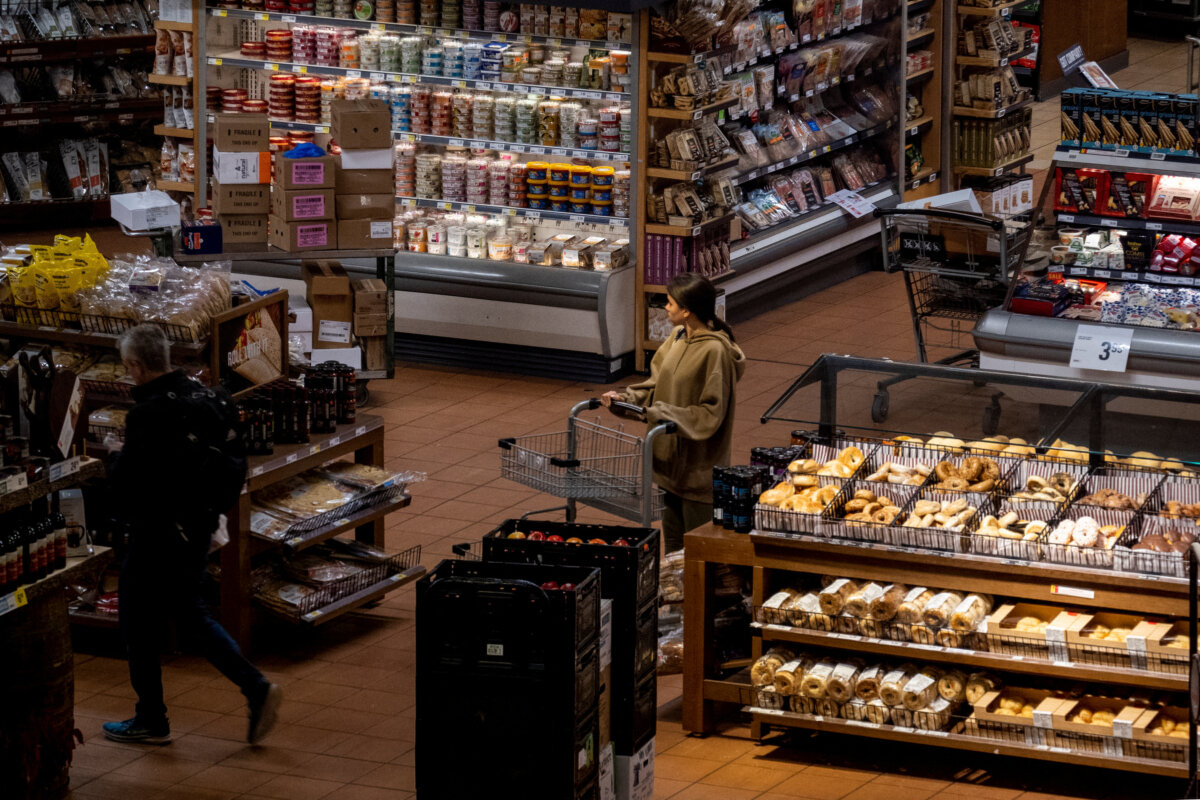
Food prices rose by 3.8 percent on an annual basis following a 3.4 percent rise in August. This increase was primarily attributed to a 4 percent rise in food purchased from stores, against the 3.5 percent increase observed in the previous month.
September 2025 saw the most substantial year-over-year rise in grocery prices since the latest low recorded in April 2024, StatCan said.
Rents also contributed to a year-over-year increase in CPI with a 4.8 percent surge in September, taking shelter inflation, the biggest component of the CPI basket, to 2.6 percent.
The share of the CPI basket that was above 3 percent price rise was at 37.9 percent in last month and the share of the CPI basket that was below 1 percent rise was at 38.5 percent.
Reuters contributed to this report.
 Friends Read Free
Copy
Facebook
Tweet
Friends Read Free
Copy
Facebook
Tweet