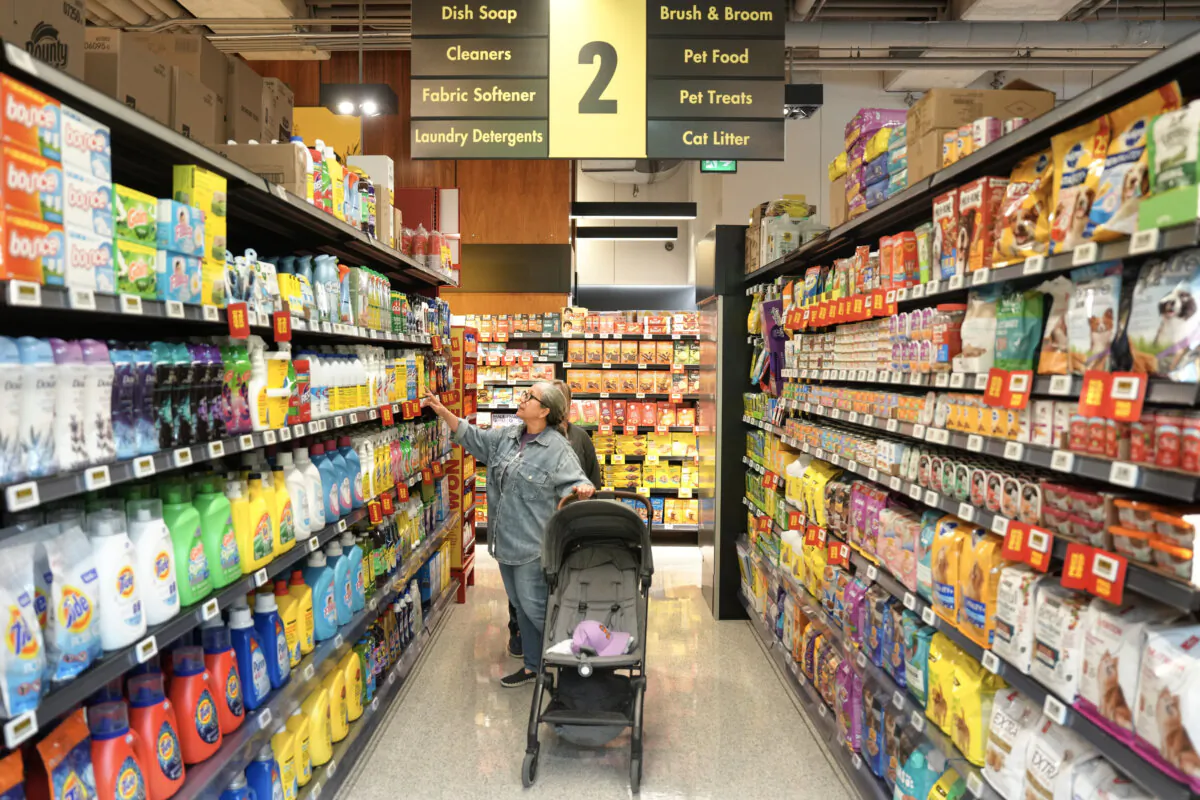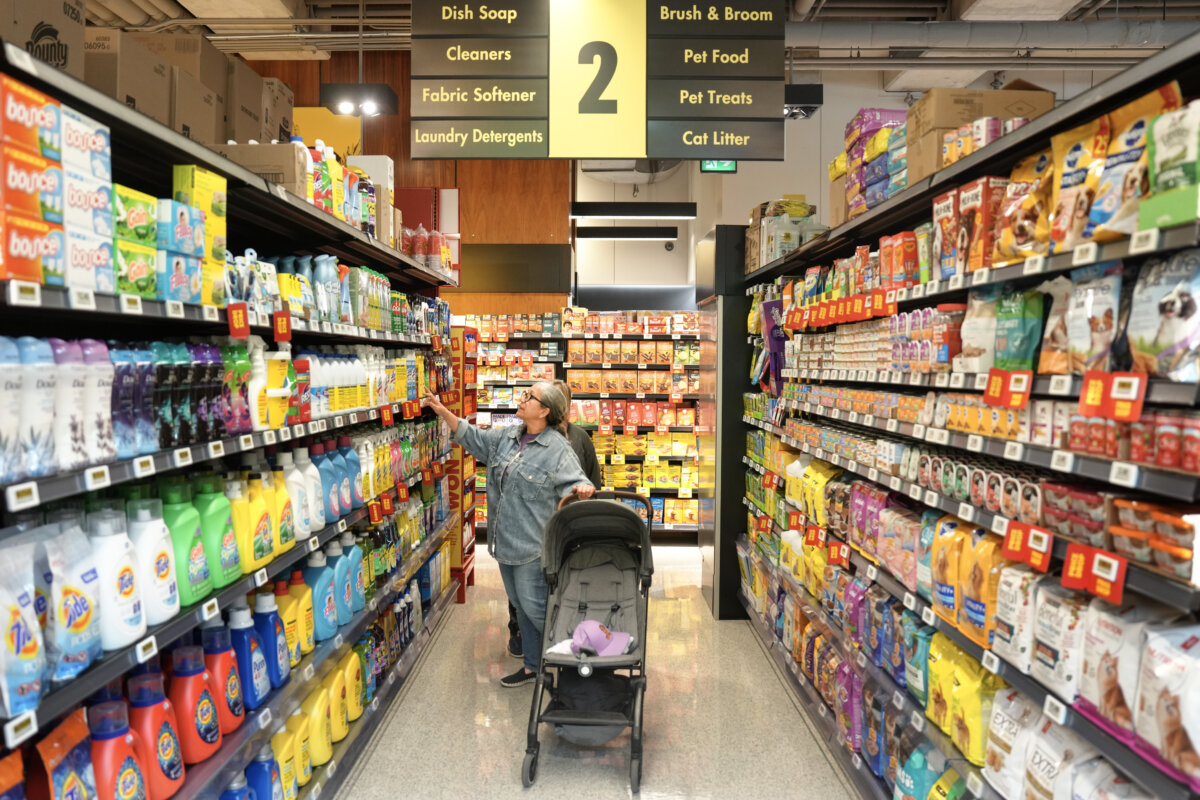

The average family of four in Canada is expected to pay an additional $994.63 for food in 2026 compared to the previous year, according to a new report, with overall grocery prices expected to increase by 4 to 6 percent.
The 2026 edition of Canada’s Food Price Report considered several factors when forecasting price increases, such as trade disputes with the United States, changes to the food manufacturing and grocery store landscape, labour markets, policy changes, and the strength of the Canadian dollar.
“Despite steadier inflation, Canadian families are still feeling the squeeze at the grocery store,” said the report’s lead author Sylvain Charlebois, senior director of the agri-food analytics lab and a professor in food distribution and policy at Dalhousie University.
“Our forecast for 2026 makes one thing clear: food affordability will remain a major pressure point in the year ahead.”
The Dec. 3 report forecasts that meat prices will rise by the largest amount in 2026, at between 5 and 7 percent inflation, while restaurant foods will rise by between 4 and 6 percent. Vegetables are predicted to rise by 3 to 5 percent; baked goods, dairy, and eggs are predicted to rise by 2 to 4 percent; fruit may rise by 1 to 3 percent, and seafood may rise by 1 to 2 percent.
While the 2024 edition of the report had projected that a family of four would spend $801.56 more on food in 2025, the latest data showed that those families spent around $545.05 more that year. Total food inflation for 2025 was 3.4 percent compared to the 2024 report’s prediction of between 3 and 5 percent inflation.
The prices of meat and “other” products like alcohol increased by higher percentages than the 2024 report had forecasted, while prices for restaurant goods and seafood increased by amounts within the forecasted range. Prices in 2025 for baked goods, dairy, and eggs grew by lower percentages than the report had projected, while vegetable and fruit prices shrank.
“We predicted last year that beef would be the big story in 2025, and it certainly was. We don’t see how beef prices could normalize before mid-2027,” the latest food report said. It noted that beef prices soared by 9 percent in 2025 due to falling cow herd sizes and higher costs for feed due to drought.
The report said energy prices, which determine the price of food inputs like fertilizer and fuel for farm equipment and produce transportation, declined in 2025 due to lower global prices, increased exports from OPEC countries, and the cancellation of the consumer carbon tax in April.
Lower energy prices put downward pressure on food inflation, but the report said Canadians are “still feeling the impacts of the last few years of high energy spikes in their grocery bills.” Oil prices reached around $120 a barrel in mid-2022, but have since fallen to less than $60 a barrel.
The federal government’s GST holiday from December 2024 to February 2025 resulted in food inflation dropping by 0.6 percent in January, which was the first time food inflation fell since May 2017. “Canadians spent less on food over the two-month period, offering some economic relief for them during a time of year when upward pressure on the price of goods is typically at its peak,” the report said.
The report also said that Canadians have been responding to rising food prices by changing their shopping habits, with 86 percent buying less meet and 25 percent buying more frozen foods. The report said this has led to Canadians eating foods that have fewer nutrients and that contain more sugar and sodium.
“As it becomes more difficult for Canadians to afford a healthy diet, there could be a rise in health-related challenges and a corresponding decline in overall public health,” the report said.
Trends for 2026
The report said the Bank of Canada’s lowering of interest rates from 3.25 percent to 2.25 percent over the past year has “theoretically” given more money to Canadians to spend on goods like food, but said it can “also weaken currency over time, making imported goods more expensive.” The report said it is unlikely lower interest rates will have any effect on food prices.
The report said the trade war with the United States has weakened Canada’s economy, decreased demand for Canadian goods, and created additional inflationary pressures. Despite Ottawa removing its counter-tariffs on the United States back in September, the report said it may “still take some time for the policy change to be reflected in the prices of U.S.-imported food, if at all.”
The report said that inflation is likely to further decrease in 2026 and settle at around 2 percent, while GDP growth will slow to between 1.2 percent and 1.4 percent.
With more Canadians turning to chicken as a more affordable protein source than beef, chicken prices are set to increase “substantially” in 2026 due to underproduction. The report also said a rise in avian flu among commercial stocks could put pressure on prices in the new year.
Additionally, federal reforms to Canada’s Temporary Foreign Worker Program and temporary residents could lead to labour shortages, as the agricultural industry relies on seasonal workers. This could lead to increased costs for businesses that already operate on tight profit margins, and those extra costs could be passed on to consumers, the report said.
The world could also see more extreme weather events in 2026, which have become a growing concern for agricultural producers, according to the report. It noted that Canada in 2025 saw higher prices for imported goods such as coffee, cocoa, and fruit because of weather-related challenges in other countries, while Canadian fruit and vegetable production was harmed by lower-than-normal rainfall.
In Question Period on Dec. 3, Conservative Leader Pierre Poilievre said the cost of a basket of groceries had nearly doubled in price from what they cost in 2015 due to “Liberal inflationary deficits” and taxes on farm equipment, fertilizer, and food processors,” in reference to the industrial carbon tax.
Prime Minister Mark Carney responded that annualized Canadian wages are growing faster than inflation since he took office back in March. He also highlighted that the government cut income taxes for 22 million Canadians earlier this year.
 Friends Read Free
Copy
Facebook
Tweet
Friends Read Free
Copy
Facebook
Tweet