
An alliance of law enforcement agencies across Canada seized 386 kilograms of fentanyl and analogues in less than half a year, with the bulk of the seizures taking place in Ontario and British Columbia, the RCMP says.
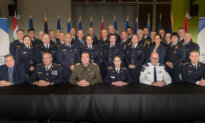
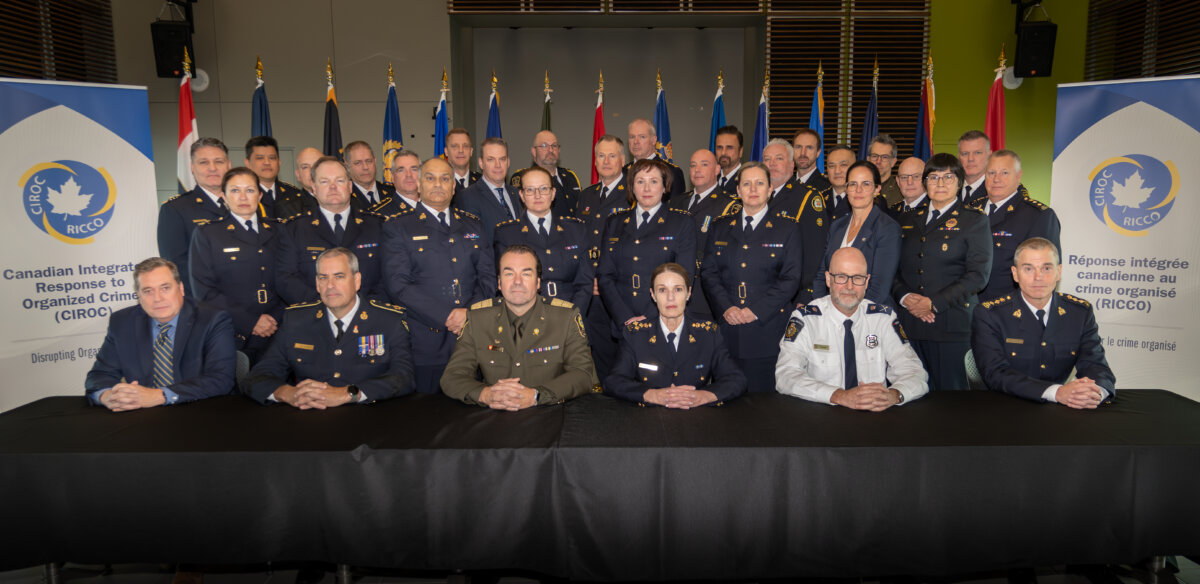
The national initiative, dubbed the National Fentanyl Sprint 2.0, was coordinated by the Canadian Integrated Response to Organized Crime (CIROC), and involved more than 100 law enforcement and intelligence agencies across the country in an effort to combat fentanyl trafficking in Canada.
“The results we are sharing today speak to the dedication, collaboration, and tenacity of law enforcement members nationwide,” RCMP Assistant Commissioner Bonnie Ferguson said during a Dec. 2 media briefing. “Agencies [are] working aggressively to disrupt fentanyl importation, production, and trafficking.”
The initiative ran from May 20 to Oct. 31 as law enforcement focused their efforts on fentanyl traffickers by targeting production labs, distribution networks, and financial enablers, carrying out 1,068 search warrants that led to 8,136 arrests and charges, the RCMP said in a Dec. 2 news release.
Law enforcement agencies also seized large quantities of drugs and other commodities, including 386 kilograms of fentanyl, 270 kilograms of precursor chemicals used to produce illicit drugs, 5,989 kilograms of cocaine, 1,708 kilograms of methamphetamine, and $13.46 million in cash. Additionally, 217 individuals were arrested for trafficking fentanyl while on bail, the RCMP said.
The 386 kilograms of fentanyl seized under the initiative accounts for 78 percent of the total fentanyl reportedly seized in Canada this past year, according to CIROC.
Ottawa’s fentanyl czar Kevin Brosseau, who also attended the media briefing, noted that 50,000 Canadians have died since the fentanyl crisis began, with 8,000 deaths this year alone.
“This is happening in every province, every city, every region of our country, and impacts all of us Canadians, community members, and parents,” he said, adding that opioid toxicity deaths in Canada have recently declined by 21 percent.
“Criminals are sophisticated and relentless, and so our approach must be more united, more coordinated, and more determined than ever before,” Brosseau said.
When asked by reporters whether he was surprised by the scale of fentanyl labs in Canada, Brosseau said he “absolutely underestimated the scale and scope of the fentanyl crisis in the country.”
Domestic Market
More than 90 percent of fentanyl seizures in Canada took place in Ontario and British Columbia, with 68 percent in Ontario and 23 percent in British Columbia, according to CIROC. Additionally, 81 percent of cocaine seizures and 84 percent of heroin seizures also took place in Ontario.
Meanwhile, 68 percent of other opioids were seized in Ontario, 21 percent in Quebec, and 10 percent in British Columbia. When it comes to methamphetamine, 51 percent was seized in British Columbia, 19 percent in Quebec, and 18 percent in Ontario.
CIROC also says that 83 percent of precursor chemicals were seized in Quebec, while 14 percent were seized in British Columbia, and 3 percent in Ontario.
China is the primary country of origin for precursor chemicals coming into Canada, a spokesperson from the Canada Border Services Agency (CBSA) said during the media briefing. He noted that most of the seizures happen at Pacific-based marine ports in metropolitan areas.
“Our role is really trying to do our best to turn off the taps so that we can better support our domestic policing partners in going after the domestic organized crime,” the CBSA spokesperson said. “That’s where precursors really factor in.”
Border officials also said the majority of fentanyl seizures were destined for the domestic market, not for the United States.
“Our manufacturing base here is for domestic market, and it’s really not for an export-based market when it comes to fentanyl,” Criminal Intelligence Service Canada Director General Ken Lamontagne said at the media briefing. “It really is a domestic issue for us, and that’s where the focus really has to be.”
When asked whether the domestic organized crime groups that were disrupted by the initiative could be named, Lamontagne said there are more than 200 organized crime groups involved in the fentanyl market, and the groups cannot yet be identified. However, he noted that there has been an approximate 30 percent decline in the number of active groups following the nationwide initiative.
The results of the National Fentanyl Sprint 2.0 follows the initial sprint effort, which ran from Dec. 9, 2024, to Jan. 18, 2025, and led to the seizure of more than 46 kilograms of fentanyl and more than 15,700 fentanyl pills and other synthetic opioids in just over a month.
 Friends Read Free
Copy
Facebook
Tweet
Friends Read Free
Copy
Facebook
Tweet