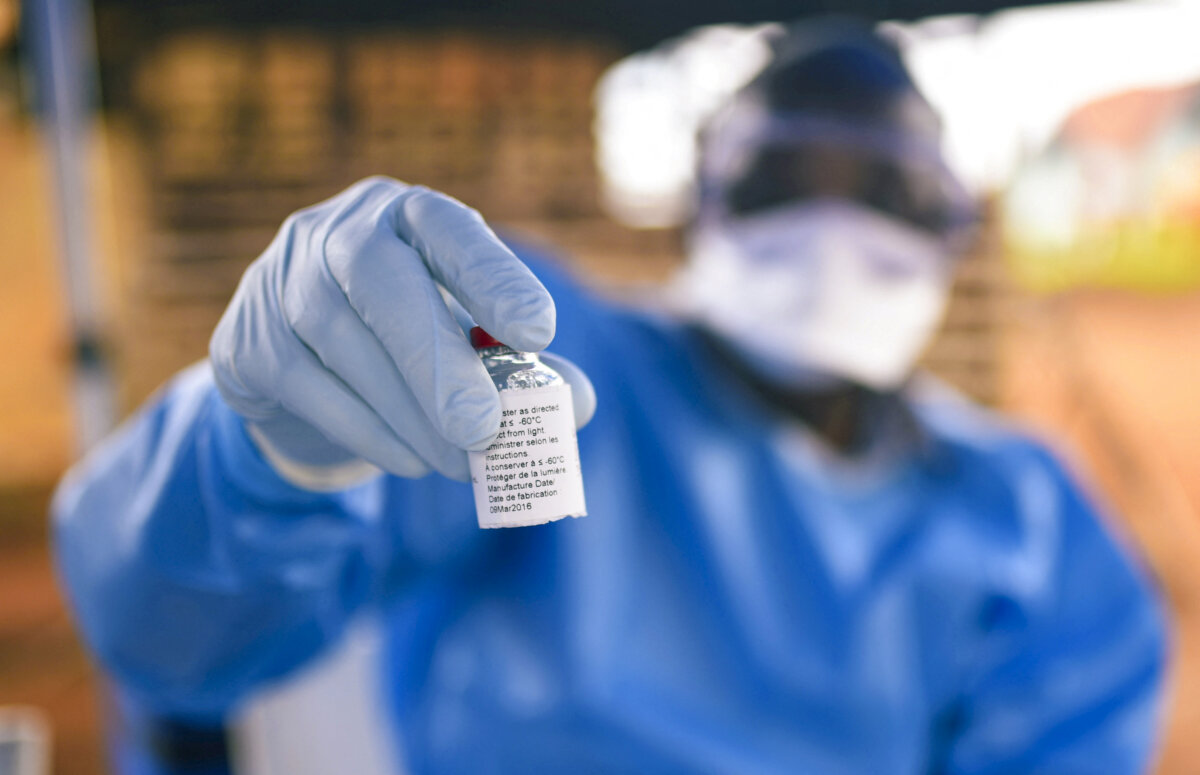

U.S. health authorities will continue to closely monitor an outbreak of the Ebola virus in two African countries, officials said Friday.
The Centers for Disease Control and Prevention confirmed it is providing technical aid to the governments of Uganda and the Democratic Republic of the Congo’s Ituri province as it tracks reports of the deadly virus. Africa’s leading public health body reported a confirmed outbreak in Ituri with 246 suspected cases and 65 deaths.
“CDC has extensive experience and expertise in responding to Ebola outbreaks, and we are working closely with the DRC Ministry of Health through our country office to support our response efforts,” the agency’s acting director, Jay Bhattacharya, told reporters during a media call.
“This morning we also heard from the Government of Uganda confirming an Ebola outbreak there, and we are also coordinating with our country office in Uganda and our colleagues there to track and help with the outbreak there,” Bhattacharya said.
He added that CDC posts in both countries remain fully staffed and equipped across Africa, and the agency stands prepared to activate additional resources as required.
Ebola is a fatal, though rare, disease. The virus is transmitted through direct contact with infected people or with their blood or bodily fluids, direct contact with infected corpses, and with objects that have infected blood or bodily fluids on them.
The CDC said its main approach in providing support to the affected nations includes identifying early detection, laboratory testing, infection prevention, and coordinated response efforts.
The outbreak was first reported in the Ituri province in northeastern Congo, which is on Uganda’s western border.
The risk to the American public is low, the agency said, but urged travelers to stay informed on developments as experts work to identify the specific strain. The State Department lists Ituri Province in Uganda as a Level 4 Travel Advisory, meaning Americans should not travel to the area, as the U.S. government is unable to provide emergency services to U.S. citizens there due to security risks.
Ebola has appeared periodically in Central and East Africa for decades, often linked to contact with infected wildlife or human remains in remote areas or war zones. The Democratic Republic of the Congo’s last outbreak killed 43 people out of 53 confirmed cases and ended in late 2025.
People at risk of Ebola should avoid direct contact with symptomatic individuals or their belongings, seek immediate care for compatible symptoms after travel, and follow malaria prevention advice since initial signs can overlap. Travelers should monitor their health for 21 days after leaving affected areas.
 Friends Read Free
Copy
Facebook
Tweet
Friends Read Free
Copy
Facebook
Tweet