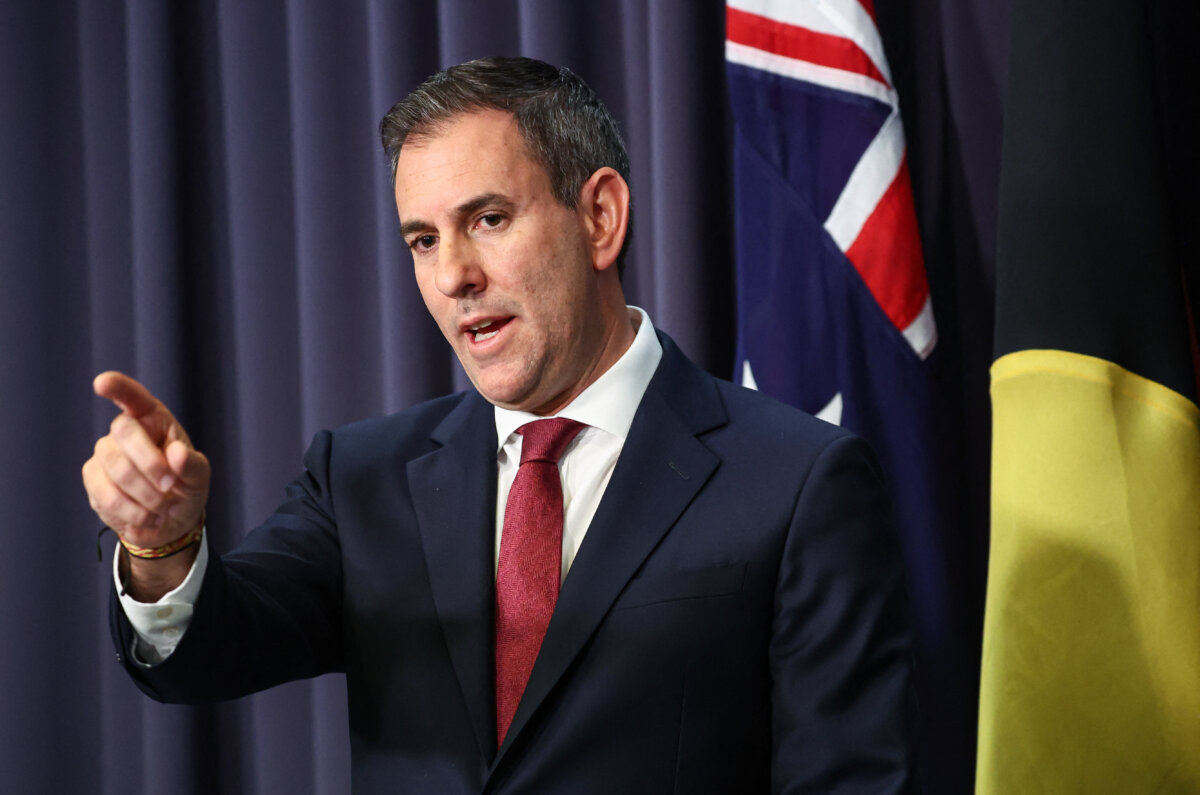

Treasurer Jim Chalmers has said the Labor government will not make concessions on the Pharmaceutical Benefits Scheme (PBS), despite the looming threat of new U.S. tariffs on Australian pharmaceuticals.
On July 8 (Washington time), U.S. President Donald Trump announced plans to impose tariffs of up to 200 percent on pharmaceuticals imported into the United States, along with a 50 percent tariff on copper.
Amid concerns over the potential impact of the tariffs, the president stated that they would not take effect immediately but would instead be implemented after 12 to 18 months to allow other countries time to adapt.
“We’ll give them a certain period of time to get their act together,” he said.
U.S. Commerce Secretary Howard Lutnick later confirmed that the Trump administration would release more details about pharmaceutical tariffs by the end of July.
“With pharmaceuticals and semiconductors, those studies are being completed at the end of the month, and so the president will then set his policies then, and I’m going to let him wait to decide how he’s going to do it,” he told CNBC.
Australia Won’t Trade Away PBS: Chalmers
During an interview with the Australian Broadcasting Corporation (ABC), Chalmers said the Labor government was more concerned about the potential pharmaceutical tariffs than the copper tariffs.
“Our exports of copper to the United States are actually quite small. The United States accounts for less than 1 percent of our copper exports,” he said.
“Much more concerning are the developments around pharmaceuticals. Our pharmaceuticals industry is much more exposed to the U.S. market.”
According to data from the United Nations COMTRADE database, Australia’s pharmaceutical exports to the United States reached US$1.35 billion (A$2.07 billion) in 2024.
In contrast, only US$34.75 million worth of copper was exported to the United States during the same period.
At the same time, the treasurer noted that Australia will not do deals on the PBS.
While he did not elaborate on whether the United States is putting pressure on the scheme, Chalmers said the Labor government would not make concessions in this regard.
“In recent months, we have seen comments out of the U.S. about pharmaceutical trade with Australia,” he said.
“We see the PBS as a fundamental part of healthcare in Australia.
“We’re not willing to negotiate or trade away what is a really important feature of the health system, alongside Medicare and all of the other things that we’re proud of as Australians.”
Chalmers also noted that the government would take time to consider the new announcement from the Trump administration.
“We’re urgently seeking some more details on what’s been announced,” he said.
“We are talking about billions of dollars of exports to the U.S. when it comes to pharmaceuticals. So we’ll work through it in a methodical way.”
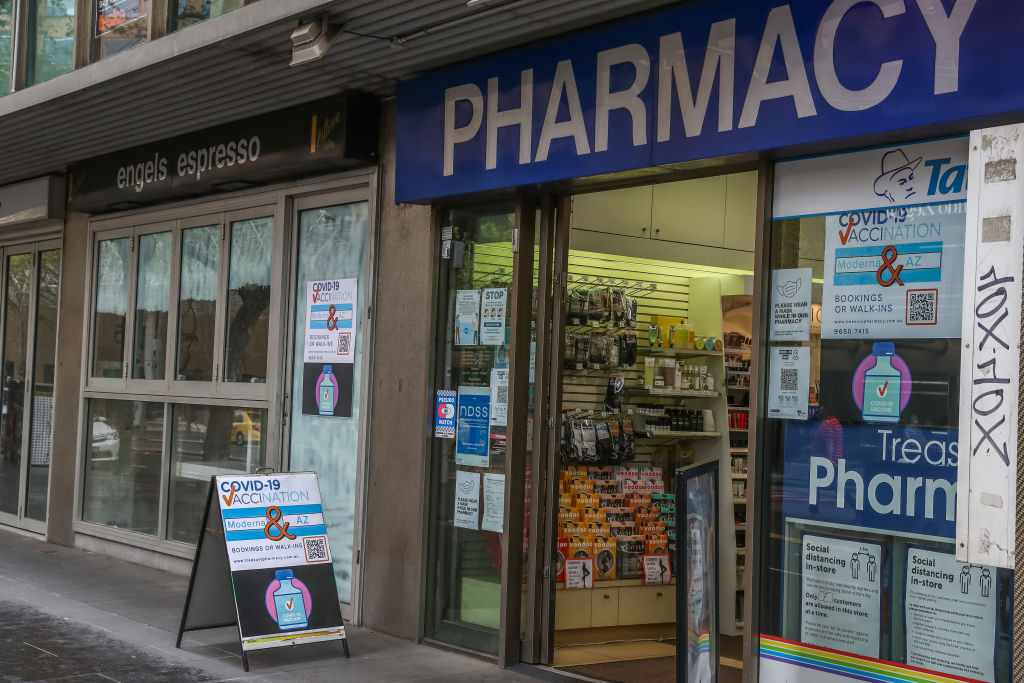
What is the PBS?
Introduced in 1948, the PBS is a government-subsidised program that allows Australians to purchase a wide range of medicines at a reduced price.
Apart from the subsidies it provides, the Australian government also negotiates with pharmaceutical companies to keep the prices of medicines down.
While the scheme makes medicines more affordable to Australians, it has faced objections from U.S. pharmaceutical companies, which want to charge higher prices for their medicines.
For decades, U.S. pharmaceutical companies have lobbied for the Australian government to weaken certain aspects of the PBS.
In March, the Pharmaceutical Research and Manufacturers of America, a peak industry body, requested that the Trump administration add Australia, along with several other countries, to a “watch list,” citing billions of dollars in lost sales due to “discriminatory pricing policies.”
 Friends Read Free
Copy
Facebook
Tweet
Friends Read Free
Copy
Facebook
Tweet