China and Pakistan on March 31 called for an immediate cease-fire in the Middle East and put forward a five-point plan for peace.
“Dialogue and diplomacy are the only feasible ways to resolve conflicts,” Chinese Foreign Minister Wang Yi and Pakistani Foreign Minister Mohammad Ishaq Dar said in the initiative put forward during the meeting. “China and Pakistan support the parties concerned in initiating negotiations, and all sides should commit to resolving disputes through peaceful means.”
China and Pakistan said the safety of ships and crews in the Strait of Hormuz, a key chokepoint for oil and gas tankers, must be ensured.
There has been no official response from the United States or Israel to the proposal.
In a March 31 post on X, Barak Ravid, global affairs correspondent with Axios, wrote, “In a brief phone call, President Trump told me ‘the negotiations with Iran are going well.’ Asked specifically about the Pakistani-Chinese initiative, Trump didn’t criticize it but simply reiterated that the diplomacy was going well.”
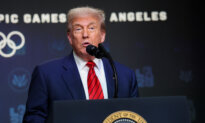
White House press secretary Karoline Leavitt said in a post on X that President Donald Trump will provide “an important update” about the ongoing war at 9 p.m. ET on April 1.
During a White House press conference on March 31, Trump indicated that the U.S. military may conclude its combat operations against Iran within weeks.
“I would say that within two weeks, maybe two weeks, maybe three,” he said.
Security Guarantees
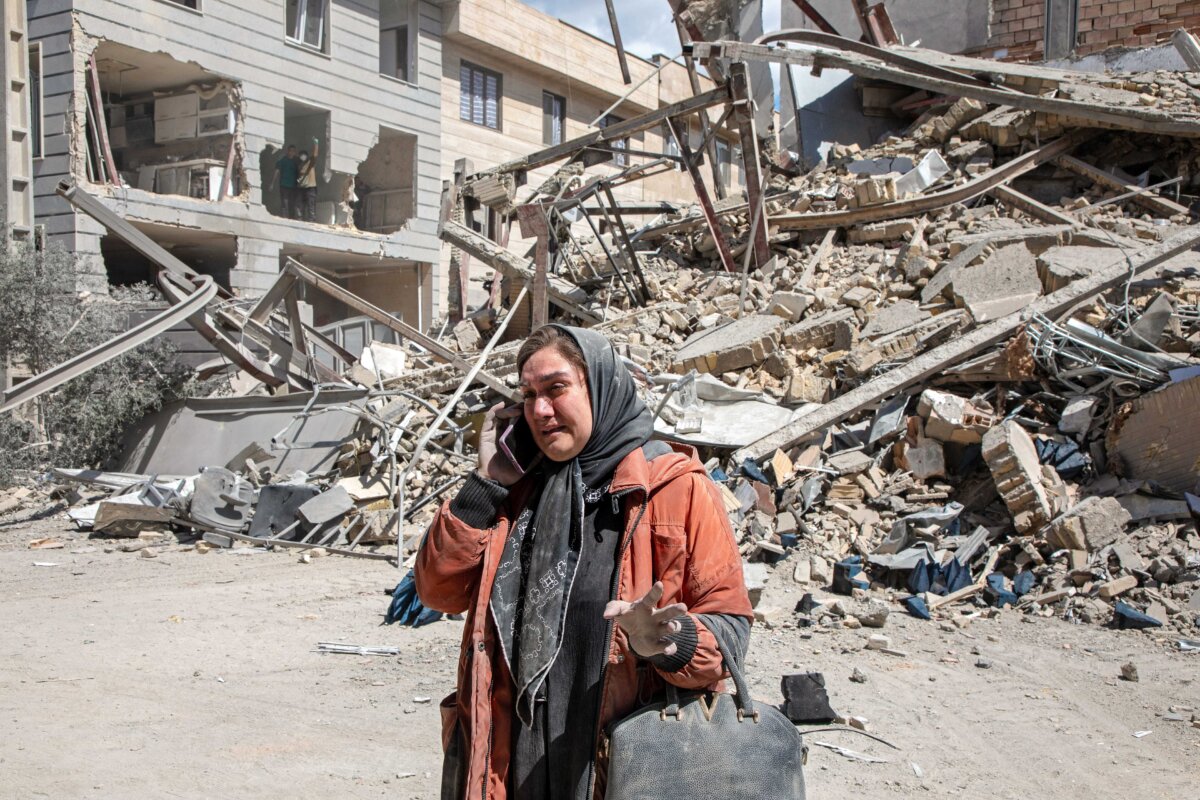
The initiative put forward by China and Pakistan states that the sovereignty, territorial integrity, national independence, and security of Iran and Gulf countries should be safeguarded, and calls for the protection of civilians, civilian infrastructure, and peaceful nuclear facilities.
Trump and Israeli Prime Minister Benjamin Netanyahu have insisted that Iran must not be allowed to build a nuclear weapon, and are unlikely to be keen on allowing Tehran to retain nuclear facilities as part of a peace deal.
Chinese foreign ministry spokesperson Mao Ning said on April 1 that all countries and international organizations were welcome to respond to and participate in the peace initiative, China’s state-owned Xinhua news agency reported.
During a press conference on March 31, Trump said U.S. forces could conclude the conflict without necessarily addressing all Iranian threats on the Strait of Hormuz.
“That’s not for us. That will be for France. That will be for whoever is using the strait,” he said.
Oil prices have surged in recent weeks, with the U.S. national average retail price for a gallon of regular gasoline exceeding $4 on March 31 for the first time since August 2022, when Russia’s invasion of Ukraine caused a rise.
When asked about gas prices, Trump said, “All I have to do is leave Iran, and we’ll be doing that very soon, and they’ll come tumbling down.”
In an April 1 post on X, the Qatari Ministry of Defense said: “Qatar was targeted today, Wednesday, by three Iranian cruise missiles. Our armed forces, by the grace of God, successfully intercepted two of them, while the third missile struck an oil tanker chartered by QatarEnergy in Qatar’s exclusive economic waters.”
‘Trust Level Is at Zero’
In a March 31 interview with Al Jazeera, Iranian Foreign Minister Abbas Araghchi said he had received direct messages from U.S. special presidential envoy Steve Witkoff.
“We receive messages from the American side. Some are direct, and others come through our friends in the region. Wherever necessary, we respond to them. Therefore, there is currently no negotiation between us. Claims made in this regard are not correct,” he said.
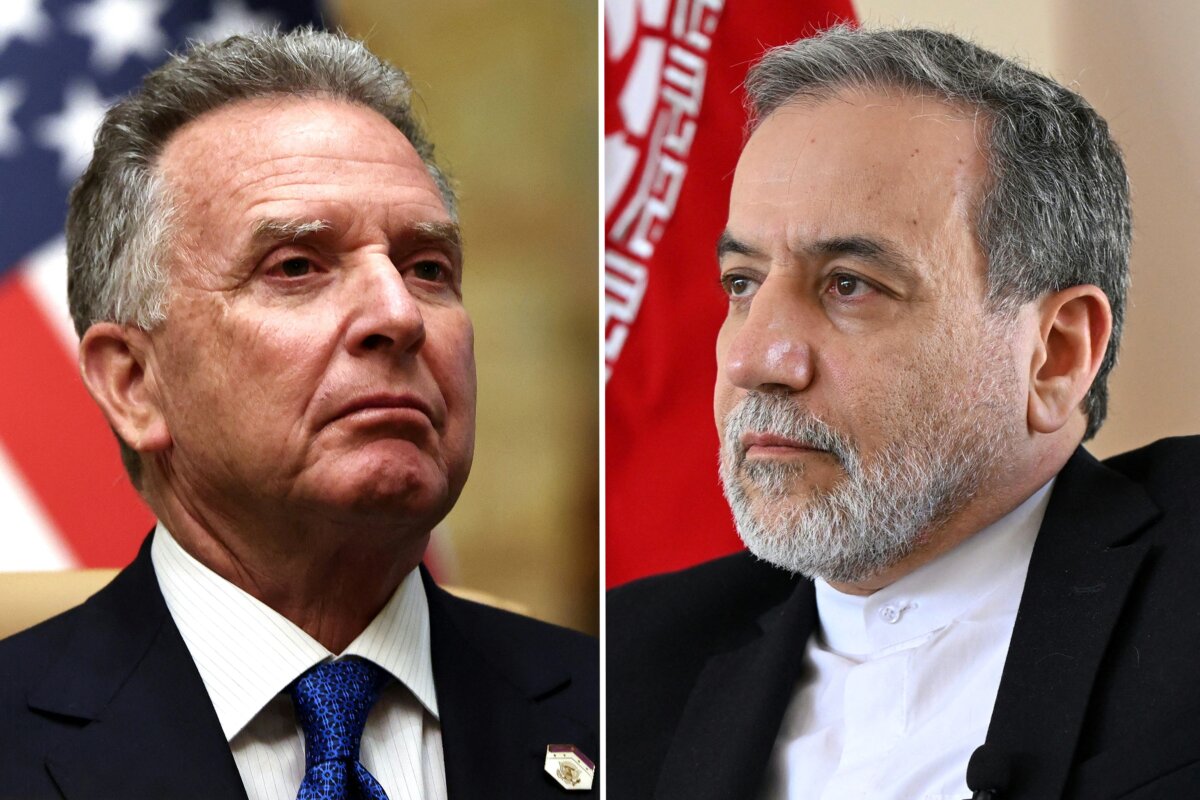
“The exchanges through intermediaries are ongoing. Mr. Witkoff, as before, continues to send messages. But this does not mean negotiation. Rather, it means the exchange of messages that continues in conditions of peace and war.”
Araghchi also said that trust is low.
“In the past, we negotiated and reached an agreement, only for the United States to withdraw from it for no reason. Twice more this year and last year, we negotiated, and the result was their assault and attack,” he said. “We do not have any faith that negotiations with the U.S. will yield any results. The trust level is at zero. We don’t see honesty.”
Referring to Trump’s April 6 deadline for the Strait of Hormuz to be opened or he would hit Iranian power plants, Araghchi said, “You cannot speak to the people of Iran in the language of threats and deadlines.”
On March 26, Witkoff said he had relayed a 15-point peace proposal to Iran, via Pakistani intermediaries.
Iranian state media on March 25 reported that Tehran had rejected Washington’s peace terms and issued its own five-point counter-offer.
At the time, Tehran’s terms included a halt to military action against Iran, a mechanism to ensure that such military action does not resume at a later date, a clearly defined agreement for Iran to receive reparations for damages from the conflict, an end to all fighting between regional proxies, and recognition of Iranian sovereignty over the Strait of Hormuz.
The Associated Press and Reuters contributed to this report.
 Friends Read Free
Copy
Facebook
Tweet
Friends Read Free
Copy
Facebook
Tweet