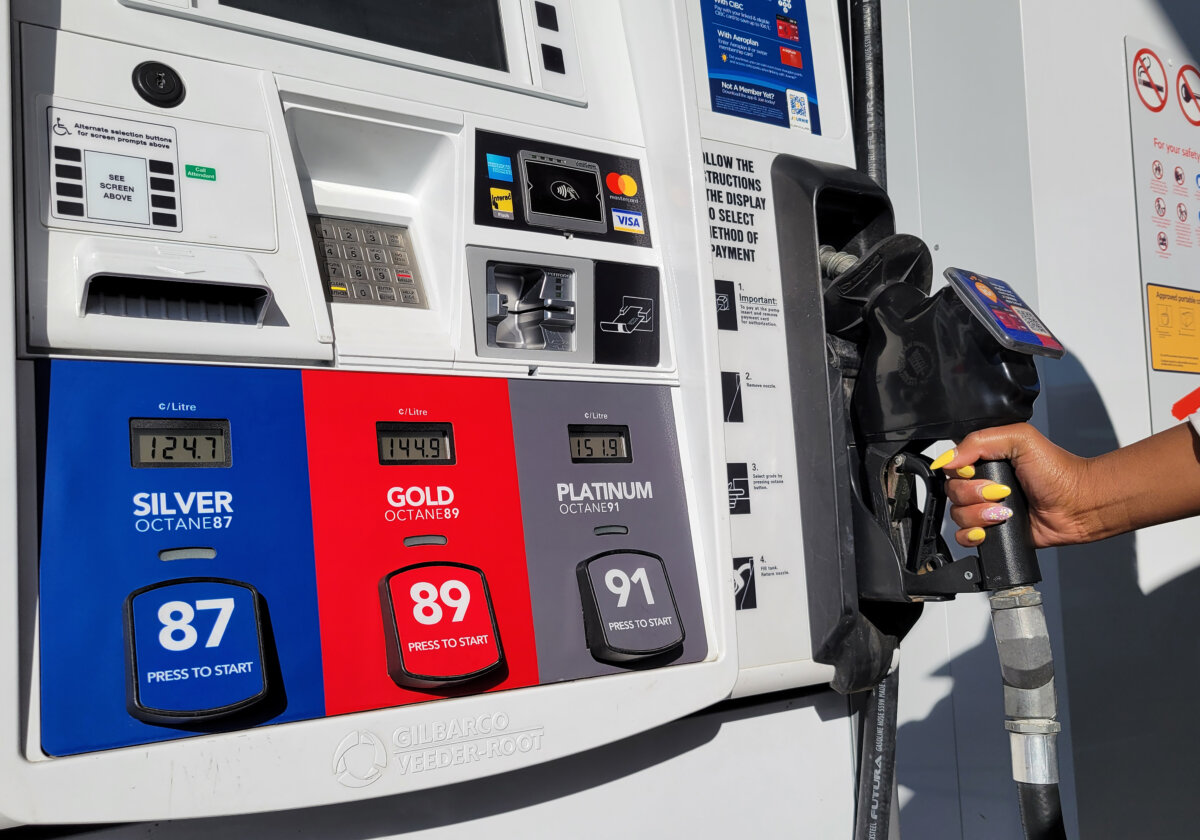

A Conservative motion to cut fuel taxes further failed in the House of Commons, as diesel prices across Canada continued to hover at around $2.60.
The motion was defeated on Oct. 7 with 196 “nay” and 133 “yea” votes. The Liberals, New Democrats, and Bloc Québécois voted against it.
The Conservative motion had called for the government to eliminate federal taxes on diesel sales until July 1, 2027, and end the industrial carbon price and Clean Fuel Regulations.
The plan would have also created emergency pre-permitting for diesel refineries and storage facilities, and other diesel infrastructure.
In response to soaring energy prices due to the U.S.-Iran war, the federal government suspended the federal fuel excise tax on gasoline, diesel, and aviation fuel across Canada from April 20 to Sept. 7. On Sept. 2, Ottawa announced that the suspension would be extended until Jan. 31, 2027, followed by a 50 percent reduction in the regular rate from Feb. 1 to March 31, 2027, before the full rates resume April 1.
In a press conference held prior to the vote on Oct. 6, Conservative MP and shadow energy minister Carol Anstey said Canadians are currently paying 24 cents more per litre for diesel than Americans, and 31 cents more than the global average.
“Fuel costs do not stop at the pump. Every increase drives the cost of producing our food, transporting our goods, and building homes,” Anstey said, calling for all parties to vote in favour of the motion.
Tory MP and shadow Atlantic Economic Development minister Richard Bragdon said that higher diesel prices are making it more difficult for Atlantic fishers to make a living. He noted that a 40-foot lobster or crab vessel can use up to $6,000 a week in diesel, which is around double the usual prices.
“That’s bound to end up in the price of the food that we’re buying on the shelves. Families across Atlantic Canada will pay more for home heating, on top of higher prices for groceries and other goods shipped by truck and boat,” Bragdon said.
During a House of Commons debate on Oct. 6, Parliamentary Secretary to the Minister of Finance Ryan Turnbull said that global factors were impacting fuel prices, such as conflicts in Europe and the Middle East and U.S. tariffs.
“Conservatives may want to blame Canada and blame Canadians for these global trends, as they tend to do in this House regularly every single day. They seem to blame the government for factors out of our control,” he said.
Turnbull said the Liberal government had already taken action to lower energy prices by temporarily suspending the federal fuel excise tax on gasoline and diesel. “The measure quickly translated into lower fuel prices for Canadians, with tax savings of 10 cents per litre on gasoline, and four cents per litre on diesel,” he said.
 Friends Read Free
Copy
Facebook
Tweet
Friends Read Free
Copy
Facebook
Tweet