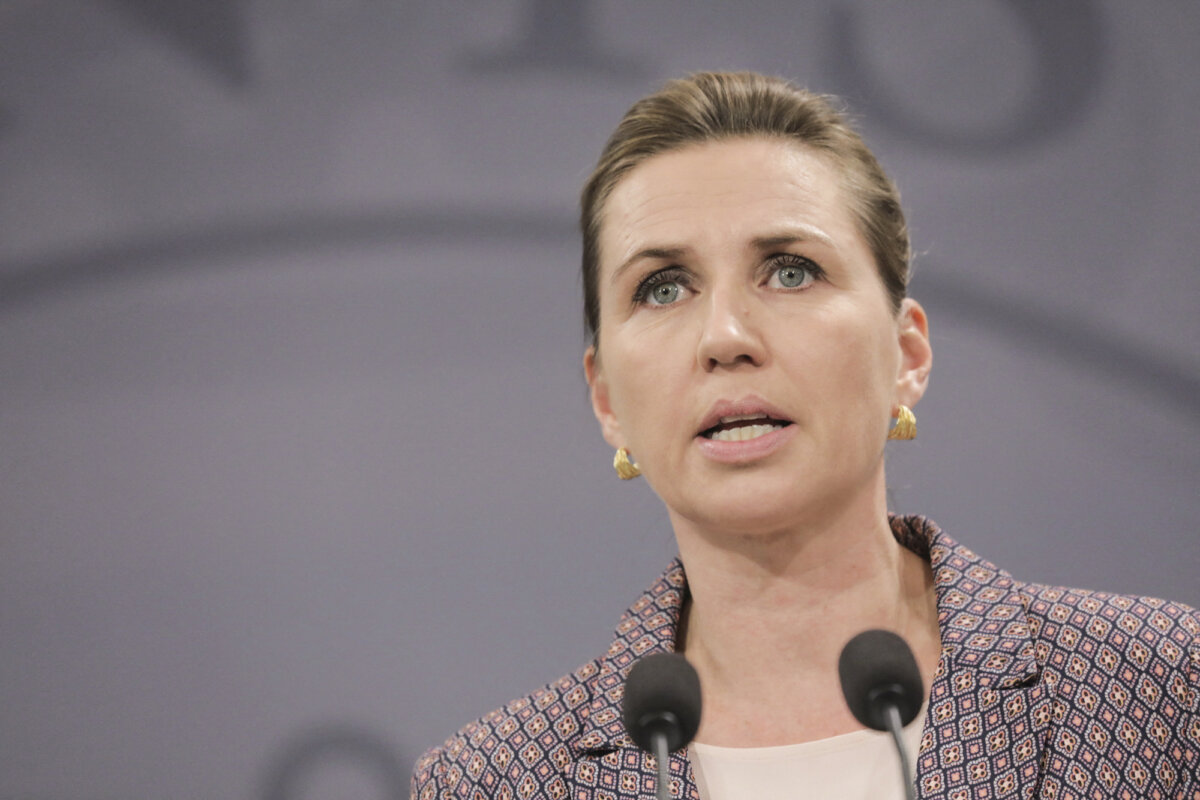

Mette Frederiksen will serve a third term as Denmark’s prime minister of a coalition government, holding onto power despite her Social Democratic party losing its majority.
The 48-year-old will lead a coalition of four left-leaning and centrist parties following two months of tricky negotiations with rival politicians, the Danish Royal House announced on June 2.
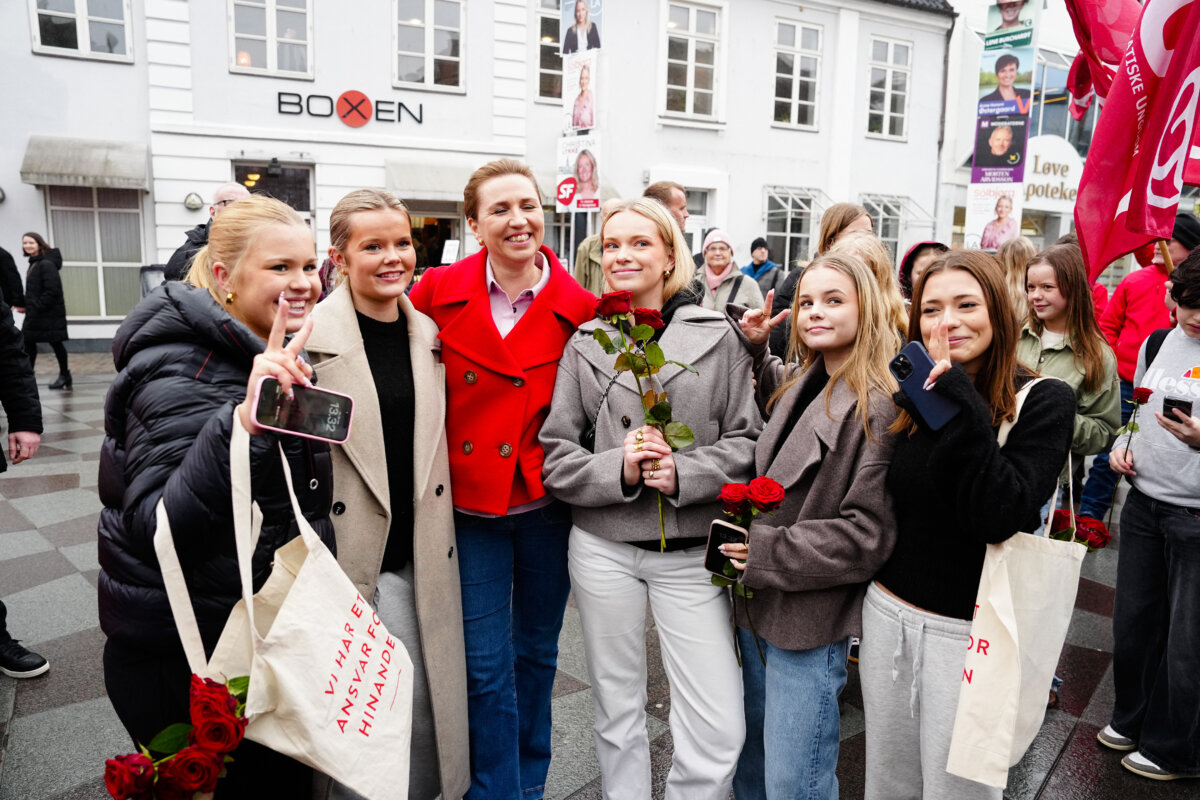
Frederiksen called an early election in February following her standoff with U.S. President Donald Trump over the future of the kingdom’s semi-autonomous territory of Greenland, apparently hoping to capitalize over favorable coverage of her stance in the Danish media.
Worst Result in a Century
Frederiksen’s party suffered its worst result in a century, winning 38 out of the 179-seats in the single-chamber parliament—down 12 since the 2022 elections.
Neither left- nor right-leaning blocs won a majority in Parliament after the March vote. Denmark’s system of proportional representation typically produces coalition governments that are traditionally made up of several parties from either left or right.
Besides Frederiksen’s party, the new government will include the Green Left, the Danish Social Liberal Party, and the centrist Moderate party, the statement from the palace said.
The new coalition was created after two collapsed attempts to form a government, one by Frederiksen and another by outgoing Defense Minister Troels Lund Poulsen, who had sought to form a center-right government.
Names of new ministers are due to be announced on Wednesday, while a policy document published on Tuesday will resist any future U.S. pressure over Greenland, tackle domestic inflation, and expand the welfare state, according to a policy document published on Tuesday.
‘Territorial Integrity’
‘The government will stand firm on the kingdom’s sovereignty, territorial integrity, and right to self-determination,” the document said.
Frederiksen has led the European Union and NATO member country since mid-2019 and is a steadfast supporter of Ukraine in its ongoing war with Russia.
Considered a center-left politician, Frederiksen has adopted more socially conservative stances on issues including migration, partly in response to political pressure from the right.
Frederiksen this year unveiled proposals including a potential “emergency brake” on asylum and tighter controls on criminals who lack legal residence.
Her government previously announced a plan to allow the deportation of foreigners who have been sentenced to at least one year in prison for serious crimes.
Her second term of office saw her approval rates fall as the cost of living rose. Polls showed a bump in her popularity as the government grappled with how to handle rhetoric from the White House around Greenland.
The political crisis culminated in January in a short-lived threat from Trump to impose tariffs on European nations that opposed his hopes for control over the vast, mineral-rich Arctic island.
The Greenland issue did not play a significant issue in the election campaign, owing to a broad consensus among politicians of all parties on its place in the kingdom.
Frederiksen said in January that a takeover of Greenland by the United States would effectively spell the end of the NATO alliance.
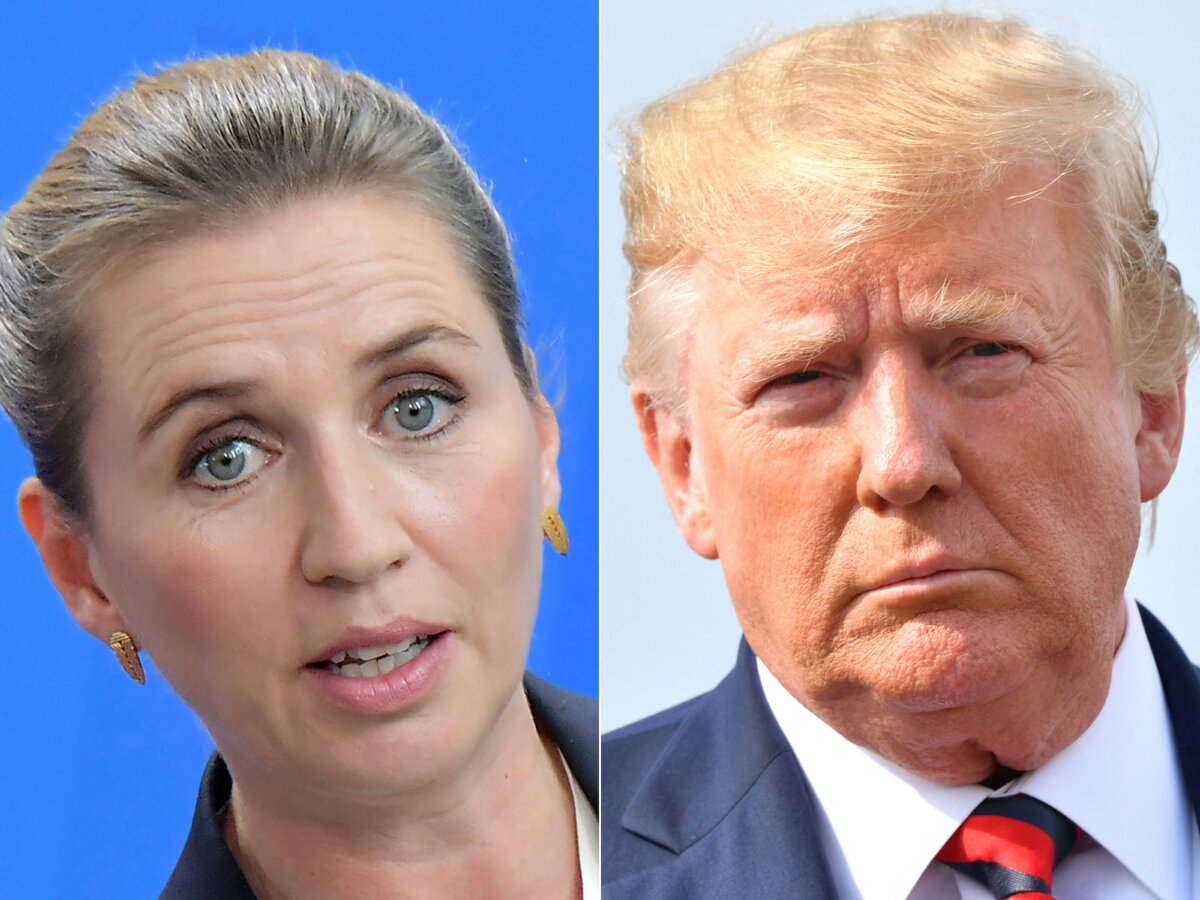
Tensions Eased
Tensions with the United States have since eased with the diplomatic route appearing to supersede any suggestion of American troops seizing the Danish territory by force.
After Trump backed down on threats to impose tariffs on Denmark and other European allies opposed to Washington taking control of Greenland, the United States, Denmark, and Greenland began talks aimed at an Arctic security deal.
Denmark has had continued possession of Greenland since 1814, with the island changing status from a colony to an integrated part of the Kingdom of Denmark in 1953.
Trump has said that Greenland should become part of the United States because of the threat posed by Russia and China in the Arctic region. He has accused Denmark of not doing enough to safeguard the island, which lies on a missile flight path between North America and Russia and on a less direct route to China.
Of the 179 members elected to the Danish Parliament, 175 come from Denmark, two from Greenland, and two from the kingdom’s other territory, the Faroe Islands.
Economic issues, including the cost of living, pensions, and a potential wealth tax ultimately took precedence in the election debate.
To secure the coalition following weeks of negotiations, the incoming government agreed to free dental care for all Danes within 10 years, free public transport for everyone under the age of 22, and zero value-added tax on fruit and vegetables, according to the Red-Green Alliance party.
Animal welfare was an issue of high importance in the debates ahead of the election, with Frederiksen saying the government will work for “the people of Denmark, for the generations to come, and for the animals.”
Reuters and the Associated Press contributed to this report.
 Friends Read Free
Copy
Facebook
Tweet
Friends Read Free
Copy
Facebook
Tweet