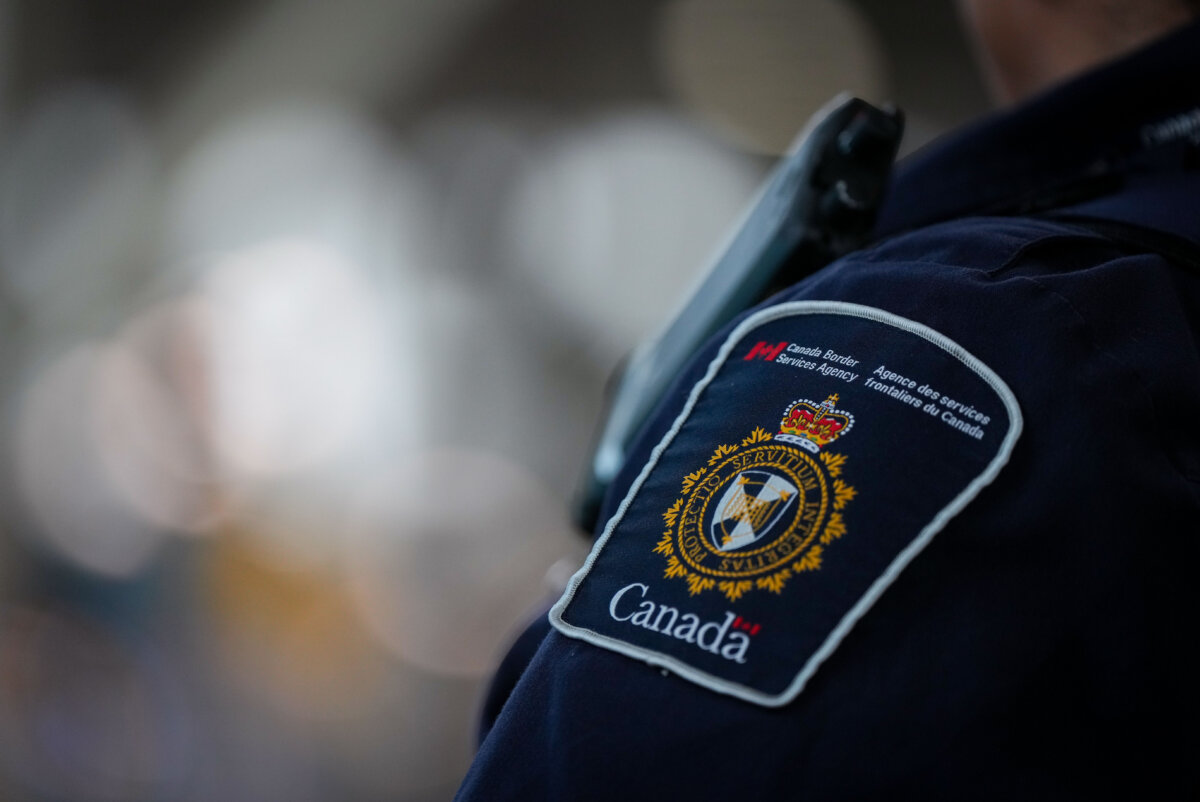

A detector dog intercepted more than 40 kilograms of undeclared beef and chicken in a traveller’s luggage at Toronto Pearson International Airport, the Canada Border Services Agency (CBSA) said on April 9.
The detector dog, named Moby, sniffed out the meat on a traveller arriving from Nigeria, the agency said. The meat was seized and the traveller was fined.
It was the second such incident reported in less than a month at the airport. On March 16, a detector dog named Dharla intercepted more than 22 kilograms of raw duck, pigeon, chicken, and rabbit in the luggage of a traveller arriving from Egypt, the agency said.
After that incident, a CBSA communications officer told The Epoch Times the meat was properly declared so no enforcement action was taken against the unnamed traveller.
CBSA detector dogs are trained to identify food, plant, and animal products concealed in passenger luggage as part of border enforcement efforts.
Under Canadian law, travellers must declare all food, plant, and animal products they bring into the country. These include items such as raw or cooked meat, dairy products, eggs, seafood, and hides, as well as plant materials including fruits, vegetables, seeds, wood products, and soil.
Failure to declare such items or provide required permits can result in confiscation, fines of up to $1,300, or prosecution. Travellers may also be required to cover costs related to the disposal, quarantine, or treatment of the items.
The agency said many travellers unintentionally violate these rules by arriving at a Canadian airport with items such as processed or canned foods, homemade goods, cured meats, fishing bait, or plant-based products used for medicinal purposes.
Such items can pose risks to Canada’s agriculture, environment, and public health by potentially introducing invasive species or diseases, the CBSA said.
According to CBSA statistics, there were more than 82 million border crossings in 2025, including more than 36 million by air. During that time, border officers issued 3,668 penalties for food, plant, and animal import violations, totalling about $2.83 million. The agency also reported more than 52,000 seizures of illegal items, including narcotics, weapons, and stolen vehicles.
The CBSA does not regularly publish detailed figures on meat-specific seizures, grouping them instead under broader food, plant, and animal import violations.
 Friends Read Free
Copy
Facebook
Tweet
Friends Read Free
Copy
Facebook
Tweet