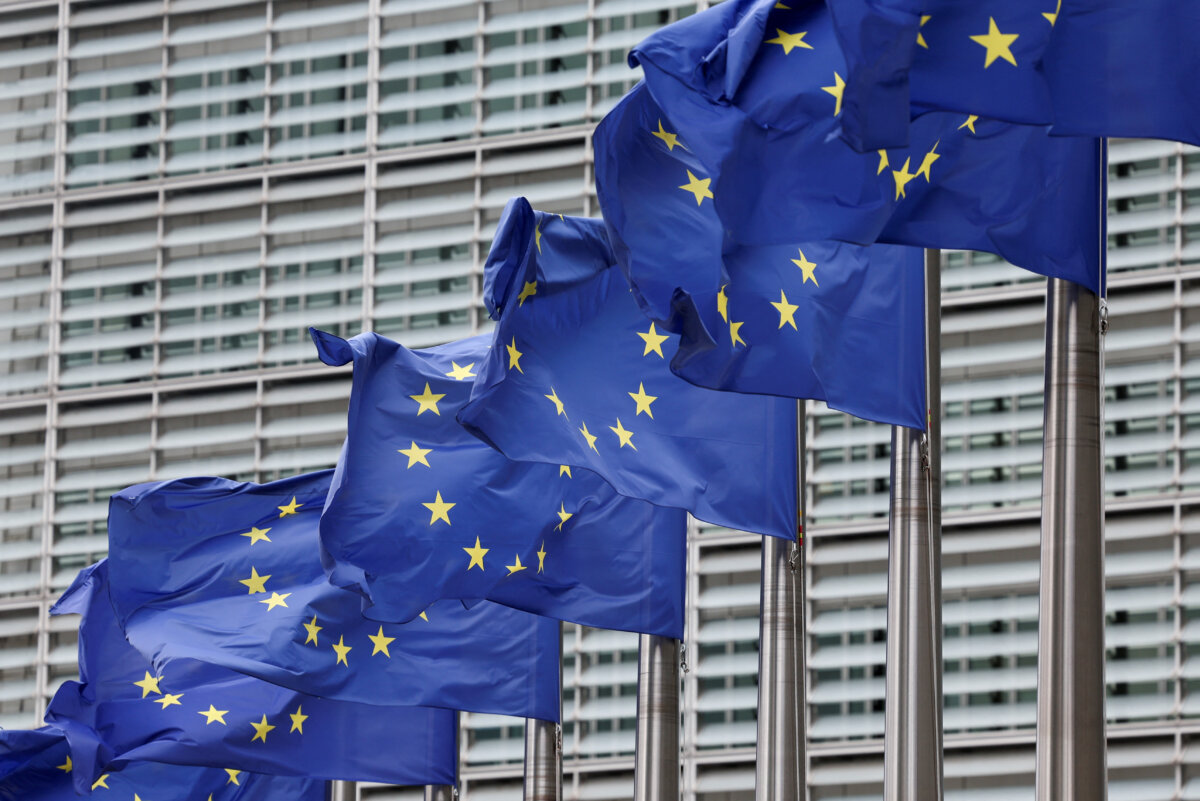

European Union parliamentarians and member states reached a provisional deal on May 12 to strengthen their essential medicines supply by increasing domestic production and reducing reliance on imports.
The agreement is a step forward for the Critical Medicines Act, proposed by the European Commission last year, and targets supply-chain vulnerabilities affecting about 270 medicines considered critical to the 27-nation bloc’s health security.
Measures in the plan target medicines including antibiotics, insulin, and vaccines, as well as drugs for chronic and rare diseases.
The plan aims to expand EU manufacturing capacity and reduce reliance on suppliers in countries such as China and India.
Under the plan—which still needs to be approved by both the European Parliament and the European Council—the bloc would push industrial “strategic projects” and support qualifying companies to create, modernize, or expand their manufacturing capacity.
It would also give EU authorities the option to bias European production in public procurement, including by rewarding suppliers based on the share of medicines and active pharmaceutical ingredients manufactured within the bloc’s member states.
Olivér Várhelyi, EU commissioner for Health and Animal Welfare, said the agreement has come at a “crucial moment, when the vulnerability of supply chains is so clearly exposed.”
“The Critical Medicines Act is Europe’s essential safety-belt: preventing shortages, reducing dependence on single suppliers and strengthening production closer to home to safeguard public health. Patients in the EU must have access to the medicines they need, when they need them, and today’s Act will help to make it happen,” he said in a statement.
The move comes as the EU seeks access to new drugs, as American pricing policies under U.S. President Donald Trump have affected the pharmaceutical sector, delaying some launches of cutting-edge treatments in Europe.
Emer Cooke, head of the European Medicines Agency, said last month that the region was at a “critical point” in ensuring the supply of medicines and urged closer coordination among member states.
“Everybody’s struggling with what the impacts of the U.S. policy on pricing will be. And that’s not just on pricing, it’s on where you do your clinical trials, where you market, where you launch,” Cook said at the Reuters Pharma Europe 2026 event in Barcelona, Spain.
Trump launched the most-favored-nation policy in May 2025 to eliminate the pricing gap between the United States and other wealthy nations.
According to a July 2025 statement from the White House, Americans pay three times more for brand-name drugs than those in other developed nations, even after accounting for discounts that manufacturers provide in the United States.
In a July 31 letter to pharmaceutical companies, Trump offered tariff relief to those agreeing to comply with the new pricing standards.
The White House has reached agreements with 17 major drugmakers to date to reduce prices for the government’s Medicaid program and for cash payers.
On Feb. 24, during his State of the Union Address, Trump called on Congress to codify the pricing policy into law. By transitioning it from an executive initiative to federal law, a future president could not simply overturn it with an executive order.
So far, Congress has not moved forward with passing such legislation, but on May 5, the White House released a statement saying that the administration is still “working with Congress to codify those voluntary agreements into law to ensure that patients continue to benefit from price discounts.”
Under the policy, American medicine prices are linked to lower prices paid in other wealthy countries, including the European Union.
In tandem with the most-favored-nation policy, Trump on April 2 imposed 100 percent tariffs on certain patented pharmaceutical products and their active pharmaceutical ingredients imported into the United States.
Sylvia Xu, Lawrence Wilson, and Reuters contributed to this report.
 Friends Read Free
Copy
Facebook
Tweet
Friends Read Free
Copy
Facebook
Tweet