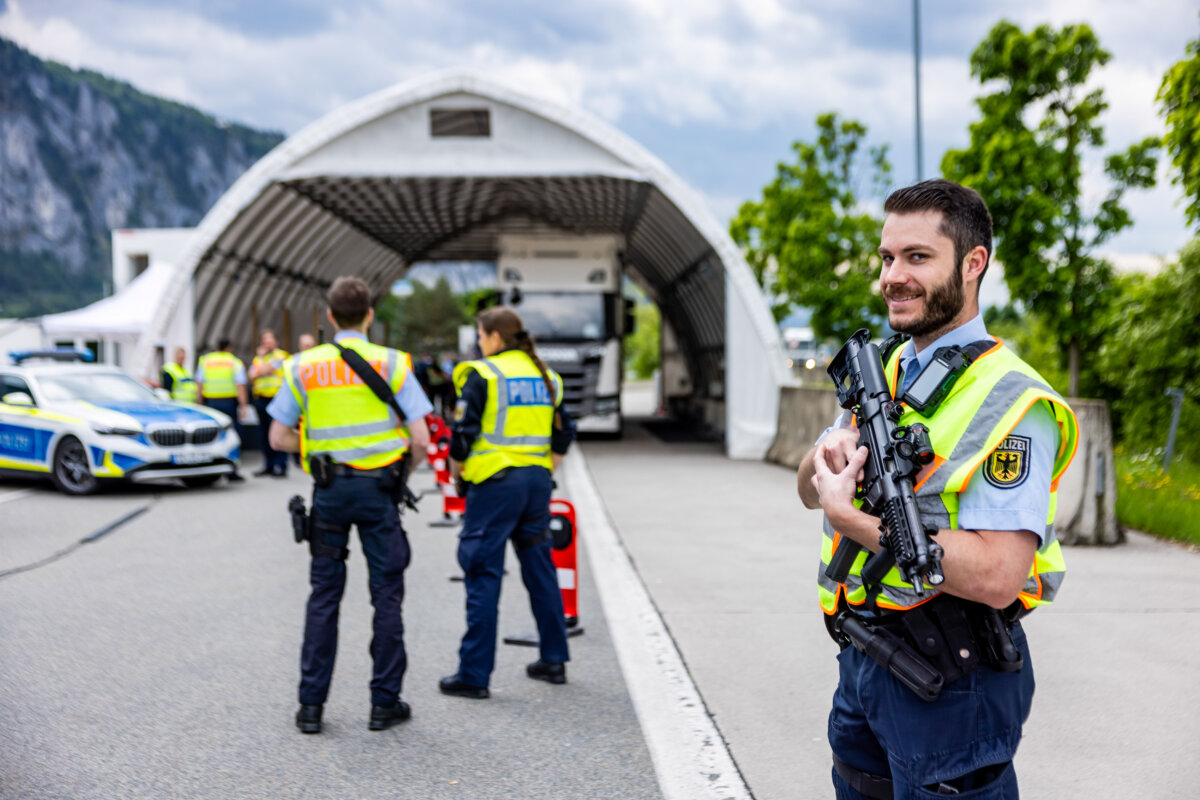

European Union ministers on June 4 approved a new framework to implement the bloc’s anti-drug strategy, stepping up efforts to combat drug trafficking and organized crime across Europe.
The measures were endorsed during a meeting of EU justice and home affairs ministers in Luxembourg and form part of a broader strategy covering the period from 2026 to 2030.
“Drug use and drug trafficking pose a serious threat to our societies and our democracies,” Cypriot Justice Minister Costas Fytiris said in a June 4 statement. “With the concrete and coordinated actions we approved today, the EU is stepping up its response to fight organised crime, reinforce security and protect people’s health and safety.”
The decision came as European officials reported growing concerns over organized criminal networks that use ports, postal services, online platforms, and international supply chains to move drugs into Europe.
EU ministers said the strategy will focus on three broad areas: strengthening action against drug trafficking, making better use of existing EU tools and agencies, and developing new cooperation projects among member states.
The illicit drugs market remains one of the largest sources of revenue for organized crime groups in Europe and represents an estimated annual retail value of at least 30 billion euros (about $34.9 billion), according to EU authorities.
Ports as Major Entry Points
EU officials said particular emphasis will be placed on following the financial flows generated by drug trafficking networks and strengthening security at Europe’s ports.
The council stated that the strategy will support the expansion of the Maritime Analysis and Operations Centre-Narcotics, known as MAOC-N, and strengthen cooperation through the European Ports Alliance.
Recent operations highlight the scale of the challenge facing European authorities.
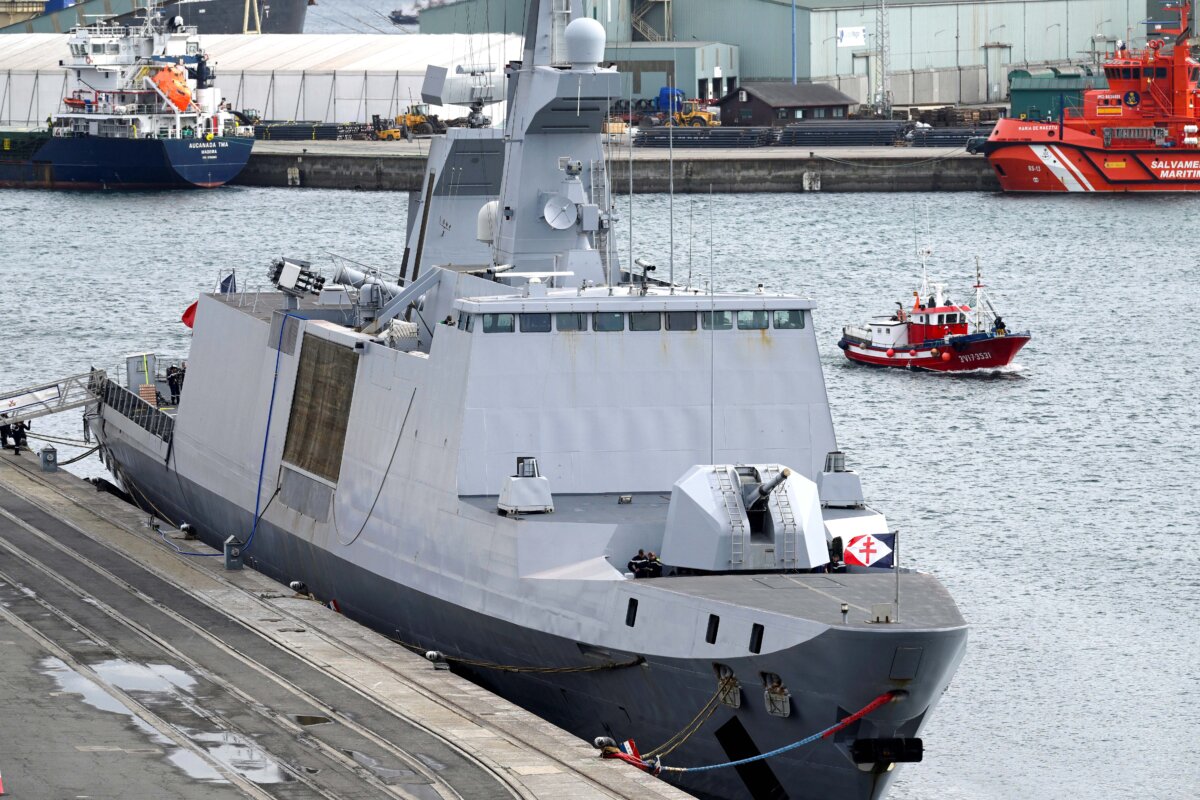
MAOC-N stated on May 15 that earlier that month, a French Navy operation in the Atlantic Ocean intercepted a fishing vessel sailing without a flag and seized about 7,300 pounds of cocaine.
Authorities found 104 bales on board, all of which tested positive for cocaine, and arrested seven people.
The seizure followed another MAOC-N-supported operation led by Spain.
Operation Alfa-Lima, which concluded in May, resulted in the arrest of 54 people and the seizure of about 24,250 pounds of cocaine, about 18,740 pounds of hashish, and 46 pounds of cannabis. Authorities also seized 18 vessels, two vehicles, about 7,900 gallons of fuel, and a firearm.
Cocaine seizures across the bloc have reached record levels in recent years, according to EU officials. The European Ports Alliance, launched in January 2024, aims to strengthen port security and reduce the ability of organized crime groups to infiltrate logistics networks.
At the launch of the alliance, the commission stated that drug trafficking networks were increasingly using extreme violence, intimidation, and corruption.
In Belgium alone, authorities seized about 266,760 pounds of cocaine at the Port of Antwerp-Bruges in 2023, a 10 percent increase from the previous year.
According to a European Commission fact sheet published in January 2024, nearly 70 percent of all drug seizures made by customs authorities take place at EU ports.
EU customs authorities seized more than 1 million pounds of drugs in 2022, with cocaine accounting for more than half of the total. The commission stated that criminal organizations have increasingly targeted major European ports because of the enormous volume of trade passing through them.
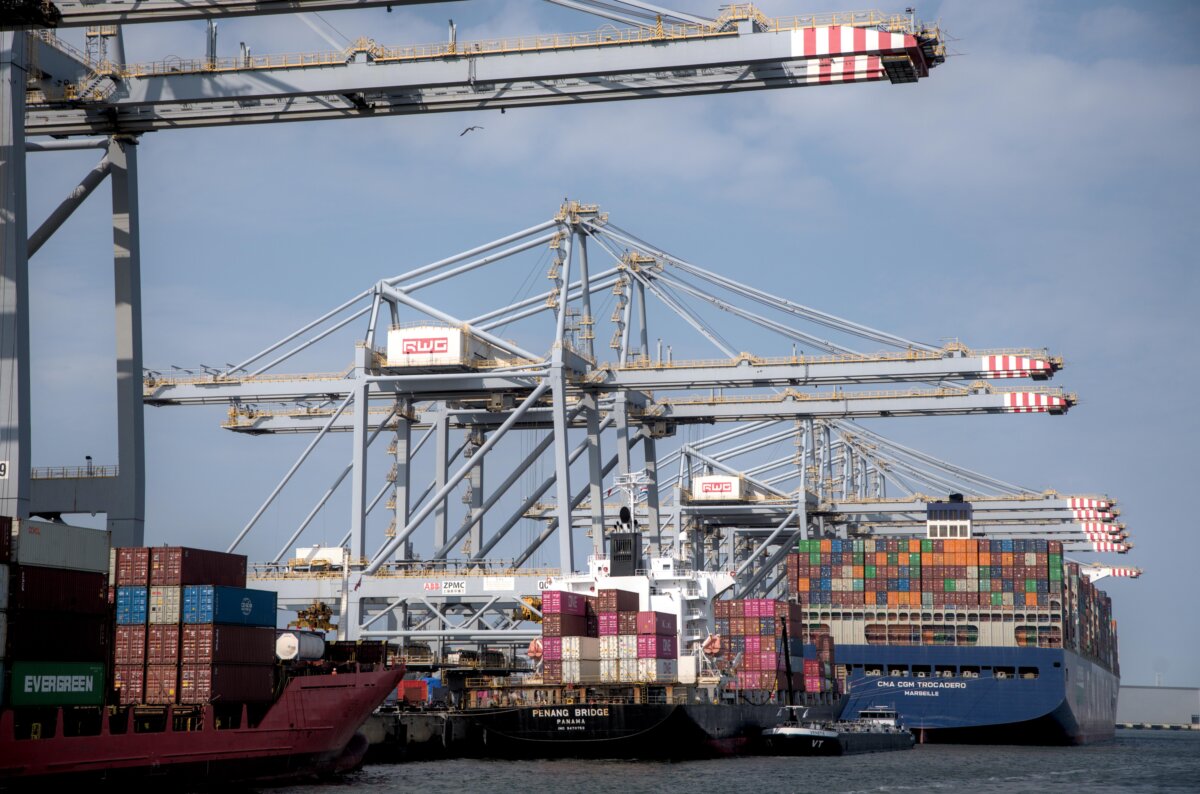
About 74 percent of goods entering or leaving Europe are transported by sea, while more than 90 million shipping containers pass through the ports of Antwerp, Hamburg, and Rotterdam every year.
The new EU strategy also calls for closer cooperation with postal and parcel delivery providers and tech companies.
Officials said they want to prevent criminal groups from using online platforms to recruit young people into drug trafficking networks.
The new framework is part of the EU Drugs Strategy, endorsed by ministers in March, following the European Commission’s proposal in December 2025. An overall implementation report on the bloc’s drugs strategy is expected by the end of 2032.
The European Council is expected to discuss illicit drugs during a meeting scheduled for June 18 and June 19, according to a provisional agenda.
 Friends Read Free
Copy
Facebook
Tweet
Friends Read Free
Copy
Facebook
Tweet