
The escalating conflict in Iran has renewed farmers’ calls for the federal government to address Australia’s long-term fuel security.
Peak farming bodies say Australia has been non-compliant with its fuel reserve obligations since 2012, adding that producers’ earlier calls for action before the situation reached a crisis point fell on deaf ears.
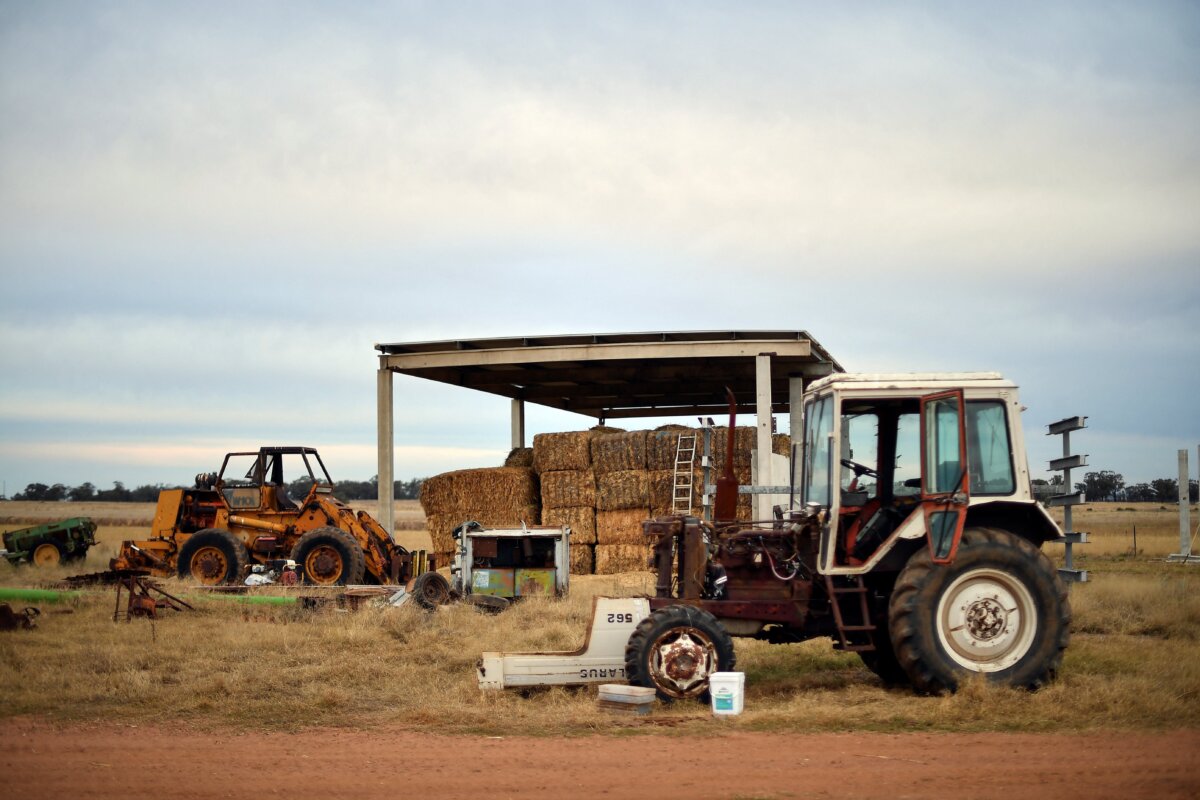
On March 9, Shane McCarthy, the general president of Agforce Queensland—a peak producer body, warned that some farmers could not get access to fuel supply due to “unprecedented demand” caused by the conflict, raising significant concerns about food security.
“We need fuel to get the product to store. We need the fuel to do everything on the farm that we need to do,” he told ABC Radio.
“The agriculture industry has been saying for a while now that we’re very concerned about fuel supply and also fertiliser supply in Australia and if we run short of those then unfortunately the food coming to the stores stops.”
The conflict in Iran started on Feb. 28, when the United States and Israel launched targeted strikes on Iranian military and government sites following months of rising tensions and concern over Iran’s nuclear program.
This has disrupted oil production and shipping in the Persian Gulf, particularly around the Strait of Hormuz, a critical route for around 20 percent of global crude oil trade.
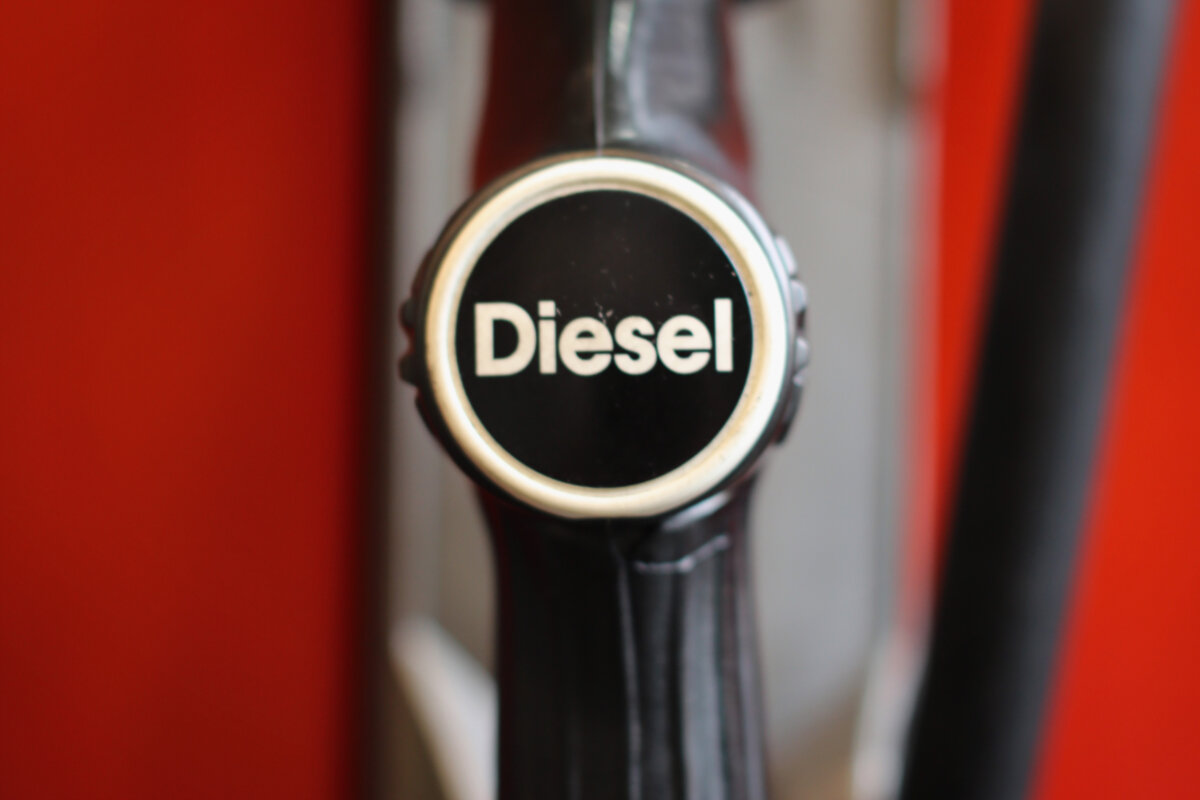
According to the government, Australia’s current fuel supply stands at about 36 days of petrol, 34 days of diesel, and 32 days of jet fuel—well below levels held by advanced economies such as Japan, South Korea, and many European countries.
McCarthy wanted to see increased fuel reserves in Australia and better capacity and self-sufficiency as a buffer to prevent vulnerability during overseas conflicts.
“We’ve got the ability and the resources to produce this to be self sufficient in Australia, but for some reason we aren’t,” he said.
“It just shows how vulnerable we can be … if for whatever reason, the ships stop running.”
At present, Australia is a minor oil producer, accounting for just 0.4 percent of total oil production in 2023 while importing around 90 percent of its fuel.
Victorian Farmers Call for Urgent Government Action
Last week, the Victorian Farmers Federation (VFF) issued a call for the government to act, saying that Australia’s reliance on imported fuels exposed the economy to disruption.
“If our fuel runs dry, our agriculture industry and ability to feed millions would stop in a heartbeat,” VFF president Brett Hosking said in a statement.
“We are urging the Federal Government to ensure fuel stock levels, refinery capability and supply chains are strengthened so that farmers aren’t left exposed to international shocks.”
Hosking said members of the International Energy Association were obliged to hold 90 days of net fuel import and Australia had been non-compliant since 2012.
“While Australia does have strategic national reserves, they are stored in the United States and would take over three weeks to reach Australia in the event of a crisis,” he said.
VFF is calling on the government to boost domestic supply, support local refining, more recognition of fuel security and more investment into diversified options, such as biofuels.
New South Wales Farmers committee chair and grazier John Lowe noted that farmers in his state have seen retail diesel prices rise by as much as 40 cents (US$0.28) a litre in some areas amid tightening supplies.
“The dry summer meant a lot of people were deferring their costs for as long as possible, which has made this a bit of a perfect storm,” he said in comments obtained by AAP.
“The crops we thought we were going to plant, we may not get to plant. We’ll have to have a pretty big heart-to-heart with our bankers.”
Bowen Says Fuel Supplies Are Sufficient
Energy Minister Chris Bowen assured the public that Australia currently has a sufficient fuel supply and that the country is “much better prepared” for the current crisis compared with the Russia–Ukraine war.
“While there are challenges ahead, no doubt about it, Australians can be confident that the rules put in place in 2022 to ensure that Australia has a stock of petrol and diesel on hand here in Australia, not in Texas or Louisiana or anywhere else, on hand here in Australia, puts us in a good position,” he told reporters on March 9.
The minister also addressed concerns of farmers, saying he had talked with the oil industry about maintaining their supplies.
“They’ve confirmed to me that every single contract is being honoured. Every contract for demand that has previously been ordered, for diesel, petrol or anything else is being honoured,” he said.
“There has been a big spike in extra orders over and above contracts, spot orders if you like, the spot market. And inevitably, when you’re seeing a huge increase in demand, they’re having trouble keeping up with that. This is not a supply problem.
“We’re talking to the industry about how best to manage that, openly and cooperatively with the petroleum and diesel industry, government and industry working together.”
Meanwhile, Nationals Leader David Littleproud said the situation was “frightening” as farmers struggled to get fuel from wholesalers.
The MP said he had spoken to farmers whose only remaining fuel was what was in the tanks of their machinery.
“If they run out, they can’t produce your food and fibre,” he told Sunrise.
“The supply is sitting there but the big oil companies won’t release it to the independents and to the small wholesalers to send it out because they’re trying to protect the retail market.”
The Epoch Times has contacted the Department of Agriculture, Fisheries and Forestry for comment.
 Friends Read Free
Copy
Facebook
Tweet
Friends Read Free
Copy
Facebook
Tweet