
The first Ebola case in France connected to the ongoing outbreak in Africa has been confirmed, French authorities said on June 24.
A male doctor tested positive after returning from a humanitarian mission in Congo, the French Ministry of Health, Families, Autonomy, and People with Disabilities said in a statement.
The doctor was immediately isolated upon arriving in France and was transferred to a secure area in a hospital so as to prevent the spread of the virus, according to the ministry. He is in stable condition.
Officials said they are undertaking an epidemiological investigation to identify people who may have come into contact with the patient. Any individuals identified as coming into contact with the doctor will undergo 21 days of isolation at home, with monitoring for symptoms.
The Alliance for International Medical Action said in a statement that the physician is a staff member of the humanitarian group.
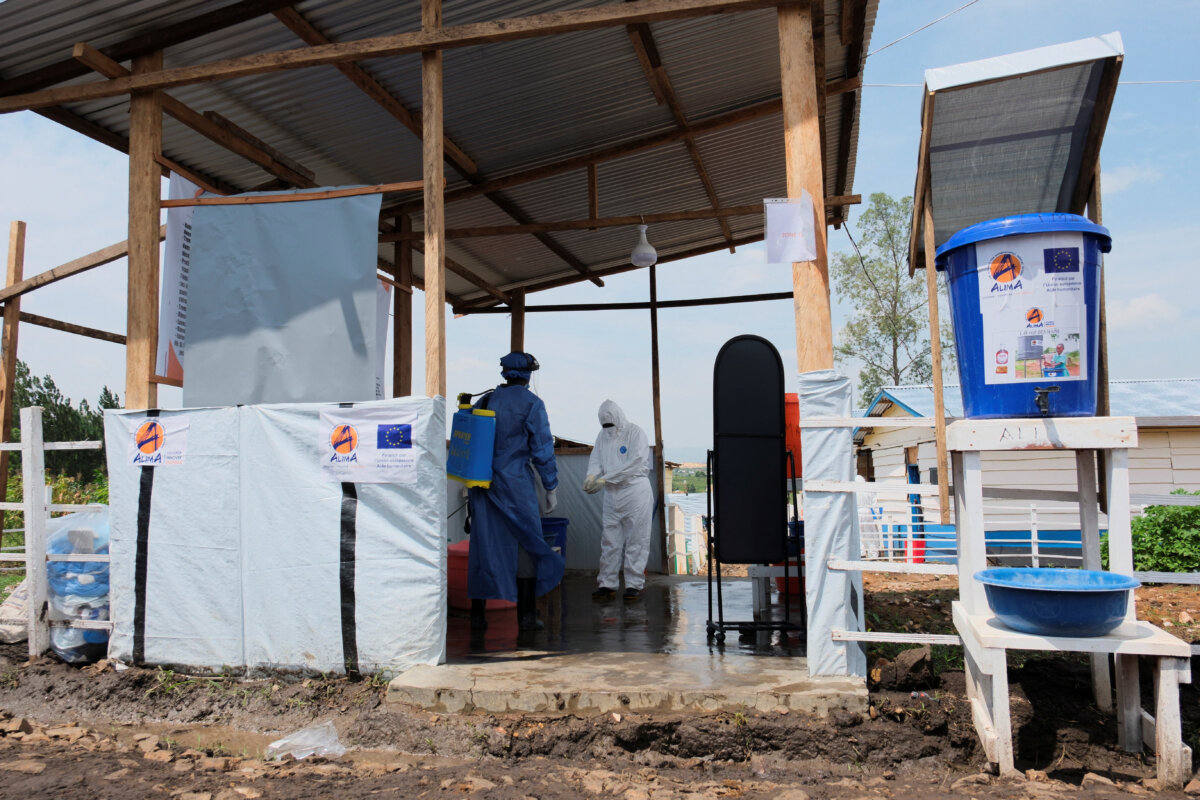
The organization said it deployed medical personnel early in the outbreak.
“Contamination prevention measures have been in place since the beginning of our intervention to protect our teams,” it said. “However, in a context of high viral circulation, where our medical teams are exposed, we are working to understand how the contamination may have occurred.”
Ebola symptoms include fever, headache, diarrhea, unexplained bleeding, and confusion. It spreads through contact with bodily fluids from infected animals and humans.
French authorities have recommended that travelers avoid places affected by the outbreak or, if they cannot, regularly wash their hands and not come into close contact with people who have a fever. They have also said that travelers returning to France from areas with active virus transmission must monitor their temperature every day for 21 days and contact authorities if a fever develops within that time.
“A dedicated monitoring system is in place for the return of French aid workers to the national territory,” the ministry stated.
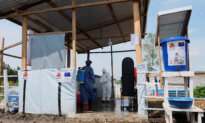
The outbreak is centered in Congo, a central African country. As of June 21, there have been 1,048 confirmed cases and 267 confirmed deaths, the Congolese Ministry of Communications stated this week.
Uganda, which borders Congo, has recorded 20 cases and two deaths.
It’s already the third-largest Ebola outbreak in history and the largest caused by the Bundibugyo virus, a rare ebolavirus. There are no approved treatments or vaccines for the Bundibugyo virus, although researchers are working to run clinical trials on experimental drugs and vaccines.
No cases linked to the outbreak, which is believed to have started earlier this year and was detected in May, have previously been confirmed in Europe, although an American doctor who contracted Ebola while caring for patients in Congo was flown to a hospital in Germany for treatment.
That doctor, who tested negative in May, has been discharged and returned home.
The European Center for Disease Prevention and Control previously assessed the risk of Ebola infection as very low.
 Friends Read Free
Copy
Facebook
Tweet
Friends Read Free
Copy
Facebook
Tweet