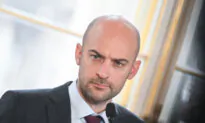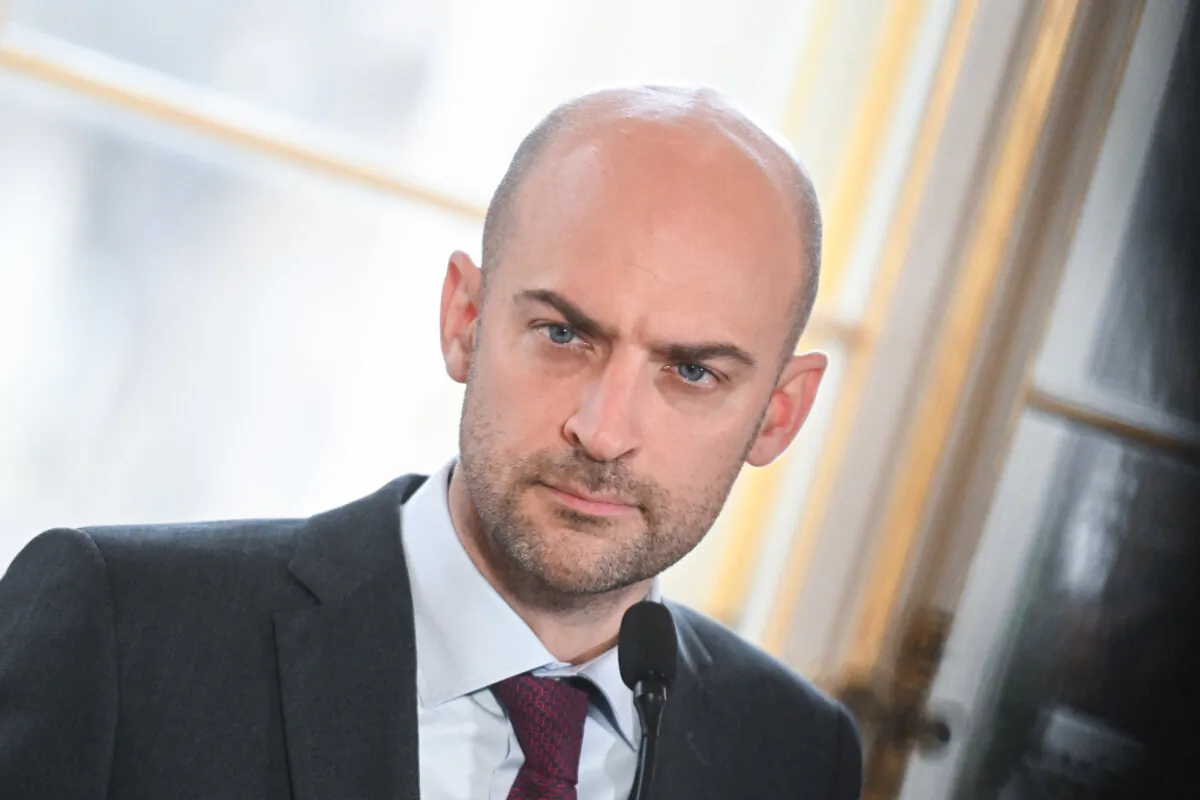
French Foreign Minister Jean-Noël Barrot said on Feb. 22 that he would summon the U.S. ambassador to Paris after U.S. officials publicly commented on the killing of 23-year-old conservative French activist Quentin Deranque.
Barrot was reacting to statements from the U.S. Embassy in France after Deranque died on Feb. 14 from brain injuries sustained two days earlier during clashes in Lyon between progressive and conservative activists, according to local prosecutors.
In comments to French broadcaster Franceinfo on Feb. 22, Barrot said that U.S. Ambassador to France Charles Kushner would be called in “since the United States Embassy in France made a comment on this tragedy.”
The U.S. Embassy in France wrote in a Feb. 20 post on X that “violent left-wing extremism is on the rise, and its role in the death of Quentin Deranque demonstrates the threat it poses to public safety,” according to a translation.
“The information, corroborated by the French Minister of the Interior, that Quentin Deranque was allegedly killed by far-left militants should concern us all,” the embassy said.
A day earlier, the U.S. State Department’s Bureau of Counterterrorism said in a post on X that Deranque’s death demonstrates the threat violent radical leftism poses to public safety.
“We will continue to monitor the situation and expect to see the perpetrators of violence brought to justice,” the bureau added.
U.S. Undersecretary of State for Public Diplomacy and Public Affairs Sarah B. Rogers also said the United States “will continue to watch” the case.
“Democracy rests on a basic bargain: you get to bring any viewpoint to the public square, and nobody gets to kill you for it,” she said in a Feb. 20 post on X. “This is why we treat political violence—terrorism—so harshly. Once you decide to kill people for their opinions instead of persuade them, you’ve opted out of civilization.”
An autopsy found that Deranque suffered a fractured skull and fatal brain injuries, Lyon prosecutor Thierry Dran said on Feb. 18 as he announced a homicide investigation.
Police have arrested 11 people in connection with the case, Dran’s office said, including a man and a woman detained on Feb. 18 and nine others taken into custody the previous night.
Barrot criticized what he described as attempts to politicize the killing.
“We refuse any instrumentalization of this tragedy, which is mourning a French family, for political purposes,” he told radio network Franceinfo.
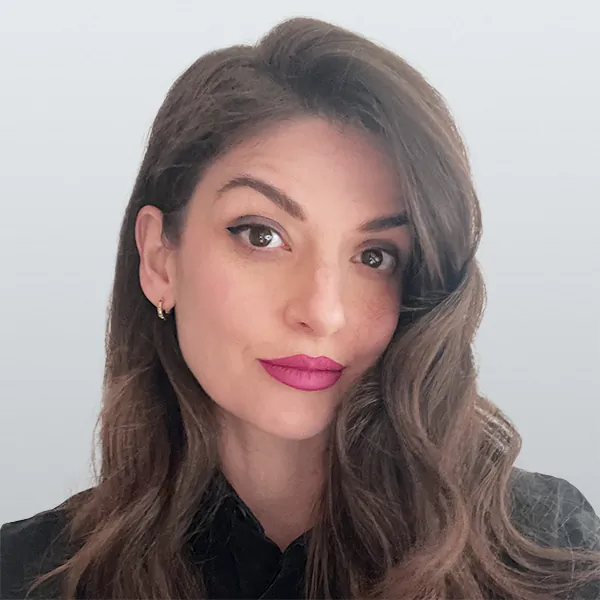
Violence erupted on Feb. 13 on the margins of a student event in Lyon, where Rima Hassan, a European Parliament lawmaker for the left-wing France Unbowed (LFI) party, was scheduled to speak.
Hassan condemned the attack in a Feb. 13 post on X before Deranque had died.
“An investigation must shed full light on the circumstances of these extremely serious and unacceptable events, which I strongly condemn,” she said, according to a translation. “Those responsible for this violence must be held accountable as soon as possible so that justice may be served.”
Jean-Luc Mélenchon, leader of France Unbowed and a veteran left-wing figure expected to seek the presidency again in 2027, said on Feb. 17 that Hassan “is in no way associated with the events that took place.”
“No counter-attack justifies killing. Our fundamental strategy is democracy, the ballot box, and the support of the greatest number of people for our cause. Violence repels, stunts, and confines our political struggle,” he wrote in a separate post.
About 3,000 people gathered in Lyon at the site of the attack to honor Deranque on Feb. 21. Security was tight, and police kept opposing groups at a distance.
The Associated Press contributed to this report.
 Friends Read Free
Copy
Facebook
Tweet
Friends Read Free
Copy
Facebook
Tweet