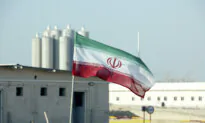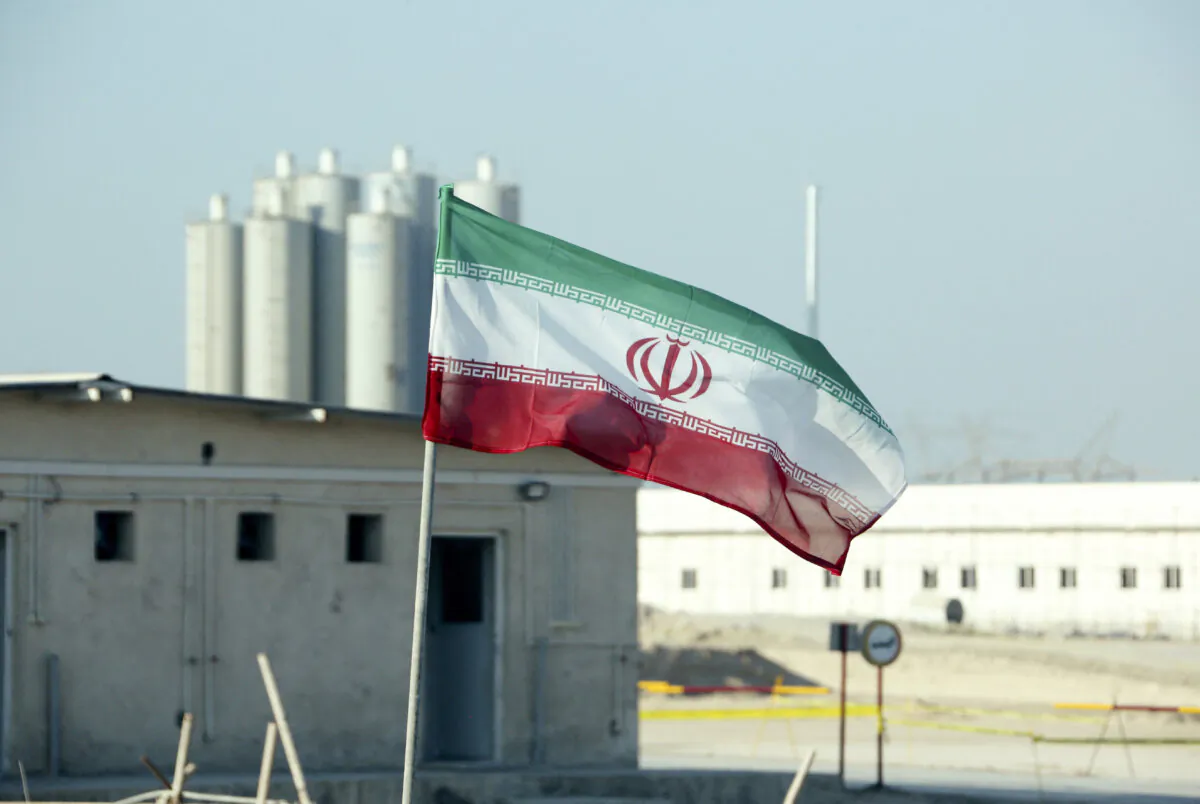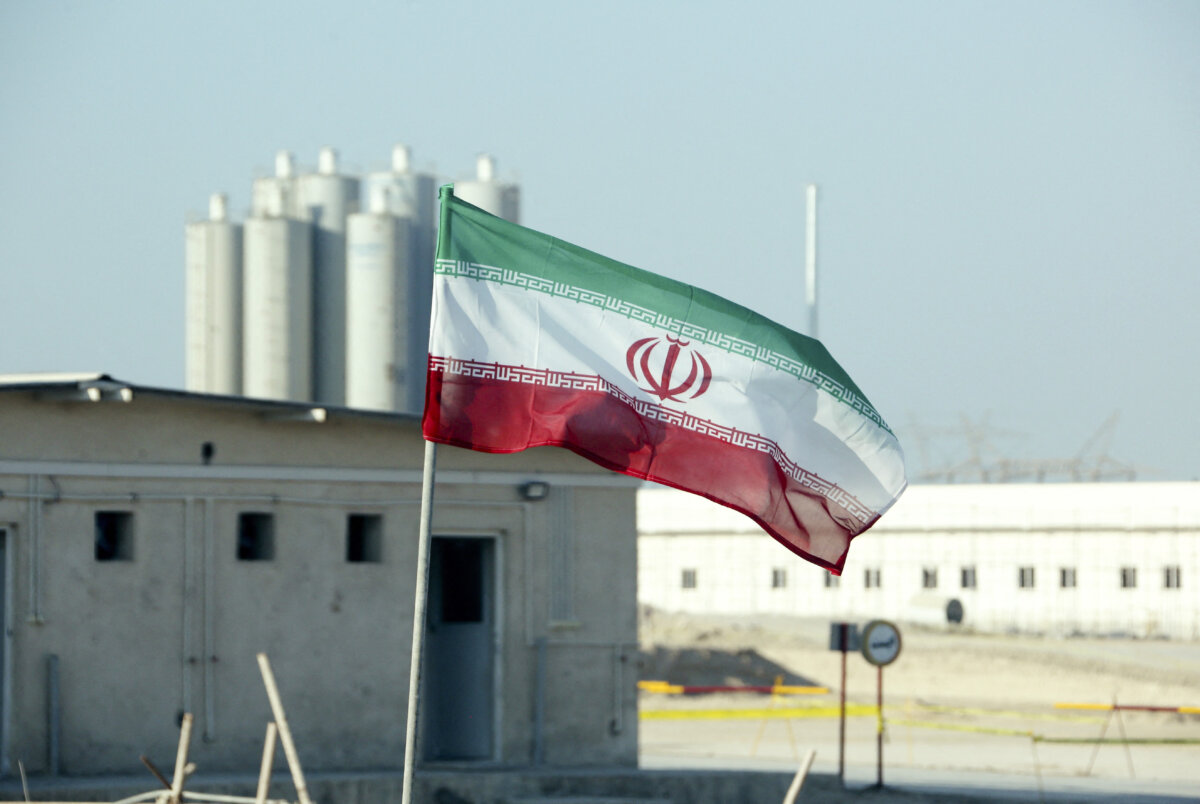
France, Germany, and the UK—known as the E3—are holding fresh negotiations on Aug. 26 with an Iranian delegation in Geneva, Switzerland, as the deadline for the reimposition of so-called snapback sanctions approaches.
The meeting—announced by an Iranian Foreign Ministry spokesman on Aug. 25—follows previous talks between Iran and the E3 in Istanbul on July 25.
Under the snapback mechanism—part of the 2015 Joint Comprehensive Plan of Action (JCPOA) negotiated by the Obama administration—United Nations sanctions could be reimposed. The mechanism is set to lapse on Oct. 18, but the E3 has said it will begin the reimposition process unless Iran makes concessions by Aug. 31.
The mechanism allows for sanctions to be reimposed without being vetoed by Russia or China, both of whom are permanent members of the U.N. Security Council.
A joint letter signed by the E3 and published on Aug. 8 said, “Throughout more than twenty years of diplomatic efforts, the E3 have been unified in their objective: Iran shall never seek, acquire or develop a nuclear weapon, and a negotiated solution providing credible assurances to that end should be achieved through diplomatic efforts.”
The sanctions would be similar to those imposed under U.N. Resolution 1929 in 2010 and would include a conventional arms embargo, a wide range of measures to freeze assets, prohibit banking arrangements with Iran, and ban travel for key individuals.
U.S. President Donald Trump terminated the United States’ participation in the JCPOA in May 2018 during his first term and reimposed U.S. sanctions.
Trump renewed a policy of “maximum pressure” on the Iranian regime on Feb. 4 shortly after beginning his second term.
By then, Iran had enriched uranium to 60 percent purity, close to the roughly 90 percent required for weapons-grade material.
Iran Denies Nuclear Weapons Aspirations
Iran, which has among the largest oil and gas reserves in the world, has said for decades that its nuclear activities are for peaceful purposes, not for making weapons.
The Atomic Energy Organization of the Islamic Republic of Iran’s website quotes a statement from Iranian leader Ali Khamenei in which he said: “The Islamic Republic of Iran regards use of nuclear and chemical weapons as a cardinal and unforgivable sin. We raised the slogan ‘Middle East free from nuclear weapons,’ and we remain committed to this slogan.”
The International Atomic Energy Agency’s (IAEA’s) 35-nation board of governors passed a resolution on June 12 declaring Iran noncompliant and in breach of its obligations under the Nuclear Nonproliferation Treaty.
Within hours of the passage of that resolution, Israel began bombing nuclear sites and other targets within Iran.
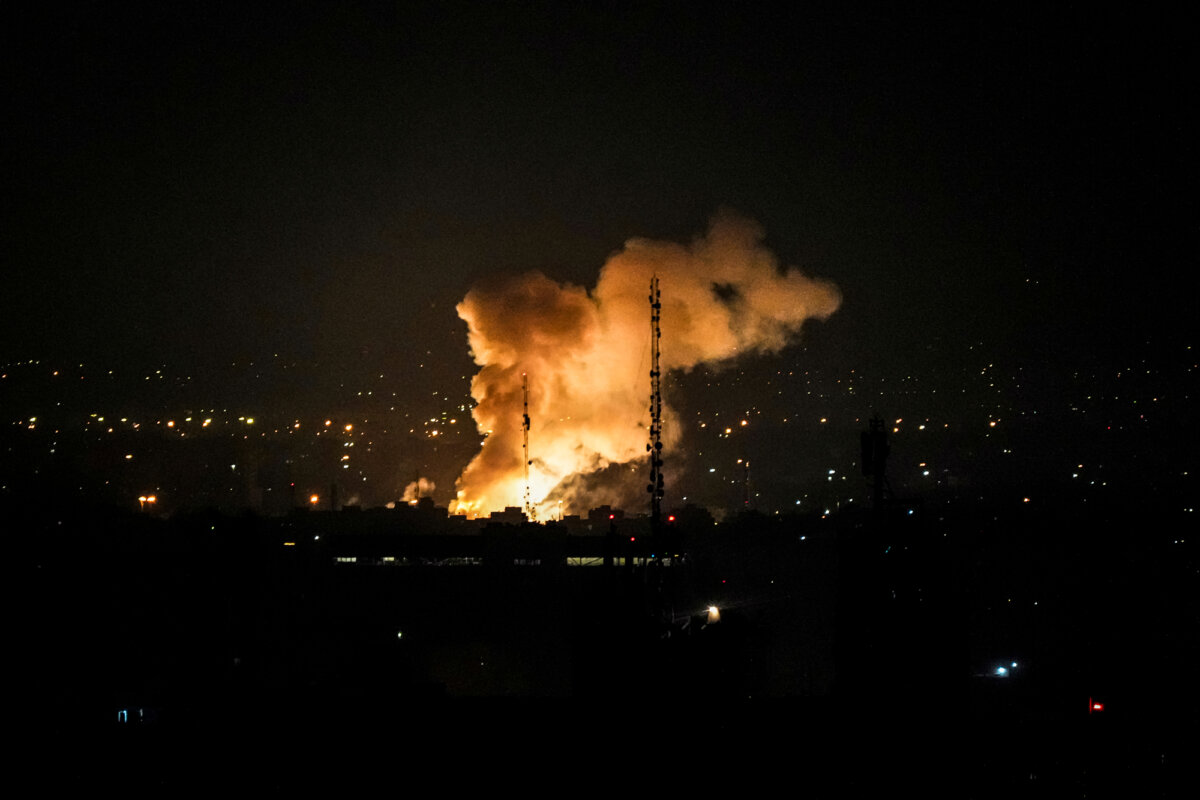
Israeli Prime Minister Benjamin Netanyahu said in a June 13 statement posted to social media: “Moments ago, Israel launched Operation ‘Rising Lion’, a targeted military operation to roll back the Iranian threat to Israel’s very survival. This operation will continue for as many days as it takes to remove this threat.”
Iran and the United States were attempting to negotiate a new deal to replace the JCPOA, with a sixth round of negotiations due to take place in Muscat, the capital of Oman, on June 15. Those talks were cancelled following the Israeli strikes.
IAEA Director General Rafael Grossi told Sky News presenter Yalda Hakim on June 18, “We came to the conclusion that we could not affirm there is any systematic effort in Iran at the moment to manufacture a nuclear weapon.”
Iran retaliated against Israel with missile and drone strikes.
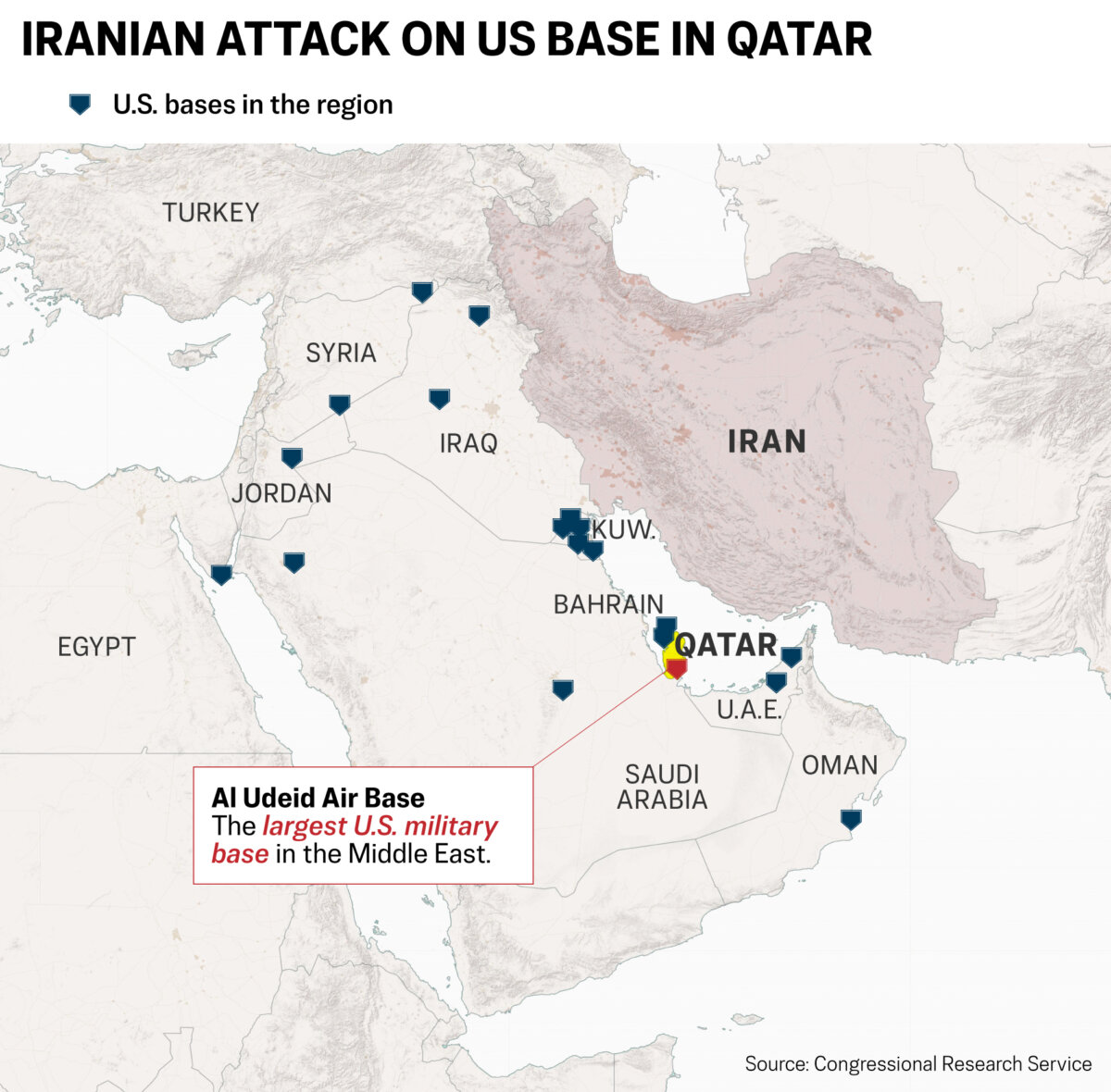
A cease-fire was finally agreed on June 24, hours after the Iranians launched a missile strike against a U.S. military base in Qatar in retaliation for the U.S. bombing of Fordow, Natanz, and Isfahan.
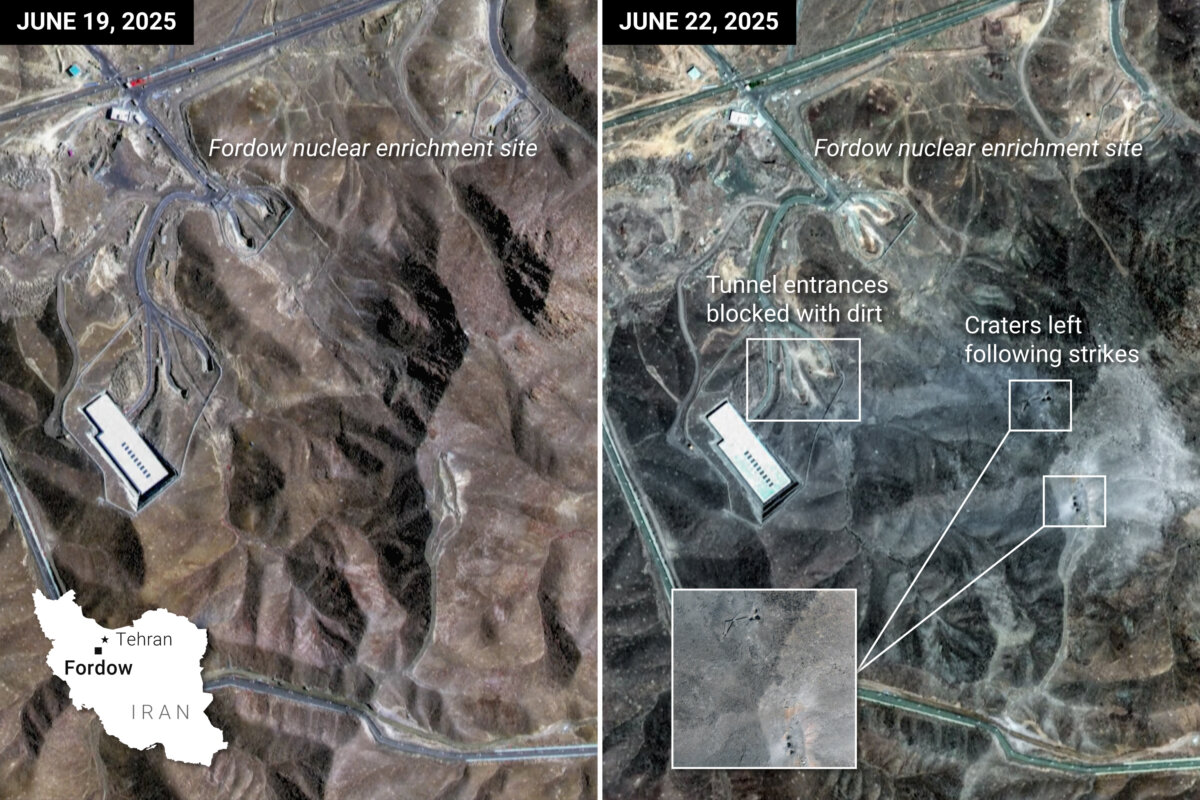
Iranian Foreign Minister Abbas Araghchi confirmed in a Fox News “Special Report” interview on July 21 that U.S. airstrikes had destroyed Tehran’s nuclear facilities but said Iran would continue to enrich uranium.
In an Aug. 8 statement, the E3 said, “We did not participate in the planning or execution of any military action against Iran.”
The E3 agreed with the United States to set an end-of-August deadline for triggering the snapback sanctions if Iran failed to meet several conditions.
They included allowing U.N. nuclear inspectors access to all sites in Iran, and accounting for 400 kilograms of highly enriched uranium.
Another condition was that Iran must resume direct negotiations with the United States over its nuclear program.
Khamenei gave a speech on Aug. 24 in which he refused direct negotiations with the United States and said the situation was unsolvable.
According to Iranian state-run news agency IRNA, Khamenei said, “The U.S. wants Iran to be obedient to it. The Iranian nation is deeply offended by such a great insult and will stand with all its strength against those who harbor such a false expectation of the Iranian people.”
Under the terms of the JCPOA, Iran was allowed to enrich uranium only up to 3.67 percent purity, maintain a stockpile of no more than 300 kilograms of uranium, and use only basic IR-1 centrifuges.
The E3 said in an Aug. 8 statement that Iran had produced, installed, and operated “thousands of new advanced centrifuges,” which are prohibited under the JCPOA.
The E3 said Iran had also accumulated a total enriched uranium stockpile of 8,400 kilograms, “representing more than 40 times the JCPOA limit,” citing the most recent IAEA report, from May 31.
The IAEA report noted that this included more than 400 kilograms of uranium, enriched at 60 percent.
The Associated Press and Reuters contributed to this report.
 Friends Read Free
Copy
Facebook
Tweet
Friends Read Free
Copy
Facebook
Tweet