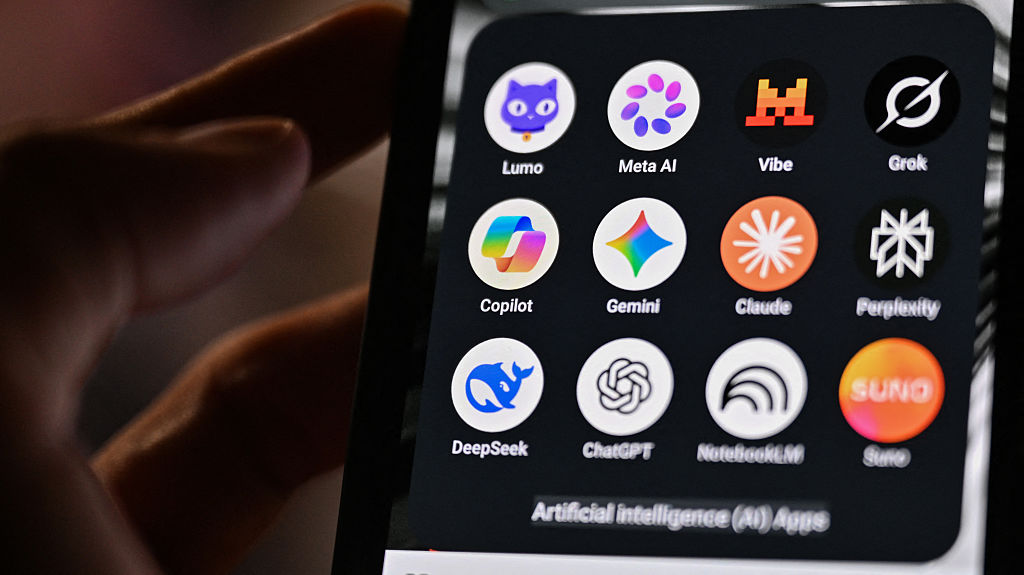

Google and OpenAI have told a federal parliamentary inquiry that they train their AI models in the United States under American “fair use” rules rather than seeking permission from Australian copyright holders.
Google’s Roxanne Carter, the senior manager of government affairs, was asked by Senator David Pocock whether Google had trained on Australian content.
She said it uses content that is freely available online, lawfully accessed and not opted out of, adding that “under fair use in the U.S., we will train on that content.”
She said getting prior authorisation for everything would be impractical, estimating it would take around 200 years.
“We actually need all the [Australian] content,” she said.
Pocock asked why the onus should fall on every Australian to attach a message to their work to stop U.S. tech companies using it, and why the firms did not simply strike licensing deals.
Carter said there is no single register of who owns what, and noted that the company’s “Google-Extended” tool, launched in 2023, lets publishers opt out of training.
OpenAI’s head of economic policy, Adam Cohen, said the company’s major infrastructure investments are in the United States, where fair use “enables us to train and learn on publicly available information.”
Asked why OpenAI would not deal with Australian rights holders, he said that in the U.S. fair use law meant there was not “an obligation … to enter into negotiations about publicly available data.”
He said Australian creators use OpenAI’s opt-out tool.
When Labor Senator Tony Sheldon asked about a remuneration fund or collective licensing scheme for creators, Cohen pointed again to the opt-out, and said Australia would need “a regime that legally permits AI training, and does so very clearly” if it wanted to institute a payment scheme.
Microsoft associate general counsel Jordan Gimbel said Australian laws “don’t provide the certainty the model developers need.”
Pocock pressed him on what was uncertain about rules that had stood for decades, and Gimbel said the doubt lay in whether the copying done to prepare data for training qualifies for an exception.
Pocock also quoted a Microsoft director, Brent Hecht, who he said was reported in a New York Times lawsuit as calling the AI build-out “the largest theft of labour in human history.”
Gimbel said the statement did not reflect the company’s opinion.
The hearing comes as the Australian government faces competing pressure over the rules governing AI training.
OpenAI has warned that Australia’s copyright laws could discourage investment in local training infrastructure, while copyright advocates argue that weakening protections would allow Big Tech firms to use Australian creative work without adequate compensation.
The government is considering whether rights holders should be able to opt out of having their material used to train AI models, putting the question of consent at the centre of the debate.
Pocock Probes Tax Revenue Issue
Pocock also pressed Google and Microsoft on what Australia gets in return for supplying content.
Citing the Australian Taxation Office’s corporate tax transparency report, he told Google’s Stefanee Lovett the company pays 3.39 percent of revenue in tax, which he said was the highest rate among the Big Tech companies, and asked whether she thought that was fair.
Lovett said Google complies with Australian law, provides audited accounts to the tax office, has been in Australia since 2002 and employs about 2,000 people here.
Pocock also pointed to Microsoft’s Liz Fitch that the company pays $1.39 in tax for every $100 of income.
Fitch said Microsoft paid $168 million in income tax across its entities, complies fully with Australian tax law and commissioned EY analysis finding a $36 billion economic contribution that supported more than 180,000 jobs.
Pocock said Microsoft’s Australian data centre business earned $2.3 billion in income in 2024/25 but reported zero taxable income.
Fitch said a tax rule developed during COVID had allowed the company to keep investing, and took on notice Pocock’s question about Microsoft’s Australian revenue.
 Friends Read Free
Copy
Facebook
Tweet
Friends Read Free
Copy
Facebook
Tweet