
The Australian government has moved to protect 76,000 Australian homes from a looming winter energy shortfall, issuing a 30-day ultimatum to gas exporters to prioritise local supply over international profits.
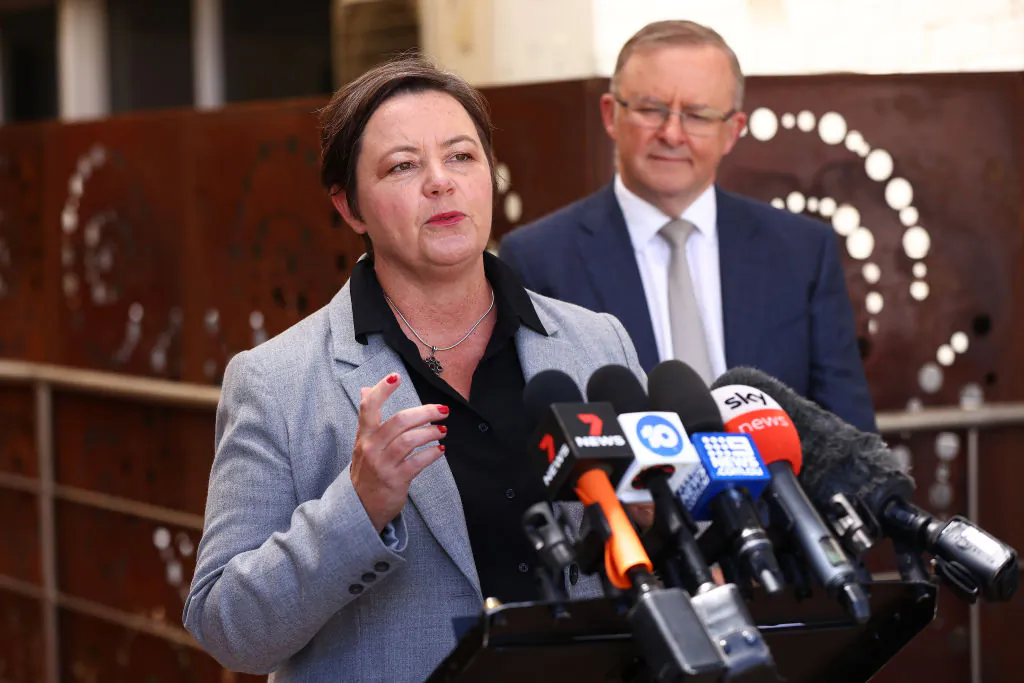
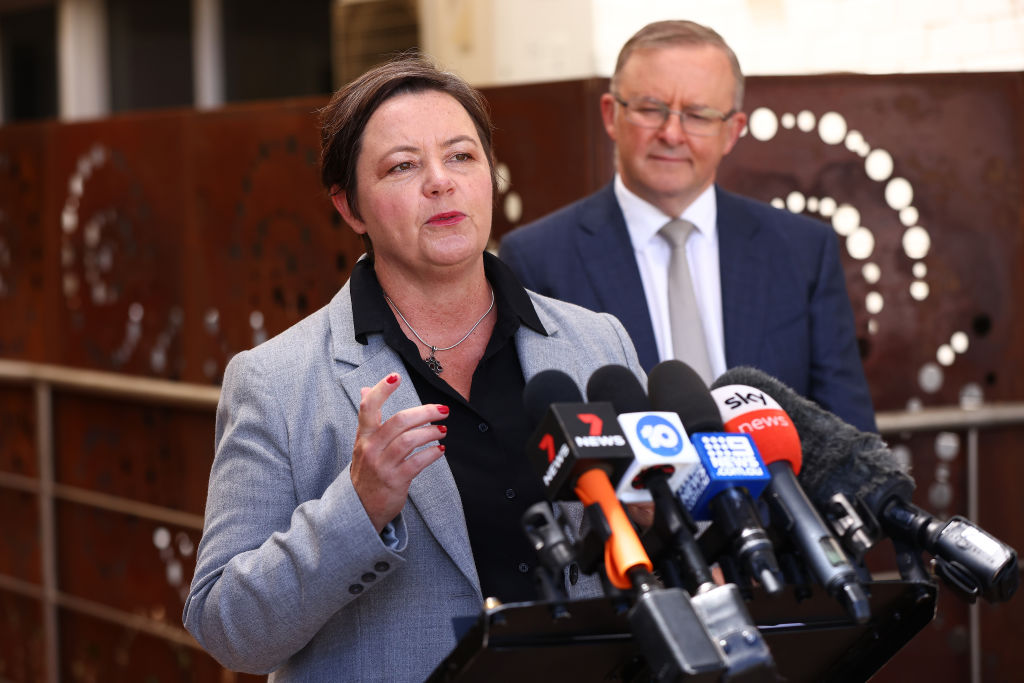
In a significant escalation, Resources Minister Madeleine King warned she is prepared to forcibly curb overseas shipments unless more gas is diverted to struggling southern states.
The intervention follows an April 1 forecast from the ACCC, which found the east coast faces a 12 petajoules supply gap between July and September—enough energy to power 76,000 homes through the coldest months of the year.
Minister King issued a formal “notice of intent” under the gas security mechanism on March 31, marking the first legal step towards imposing export controls.
“My decision is a precautionary measure that gives me the flexibility to intervene if Australia is at risk of facing an energy shortfall,” Minister King told the ABC.
A 30-Day Ultimatum
The government has given gas exporters 30 days to commit additional supply to the domestic market. A final decision on whether to activate export restrictions is expected by mid-May.
The warning follows the collapse of negotiations over a renewed “Heads of Agreement.”
The previous voluntary arrangement, designed to ensure adequate domestic supply, expired earlier this year without a replacement.
“I have asked them to re-sign the heads of agreement … and they’ve been unwilling to or unable to come to an agreement,” Minister King told the ABC on April 2.
“My decision to issue a ‘notice of intent’ is a that gives me the flexibility to intervene if Australia is at risk of facing an energy shortfall.”
Southern States Face Tight Supply
While Queensland remains the engine room of Australian gas production, the ACCC’s modelling suggests the southern states—Victoria, New South Wales, South Australia, Tasmania, and the ACT—are expected to face the most strain, with additional supply required each month from April through September.
The regulator projects a supply gap of 16 petajoules in July 2026 alone for the southern regions. Bridging this gap will require a massive logistical effort to redirect gas from Queensland pipelines and maximise storage at Melbourne’s Iona Underground facility.
“The amount of stored gas available … will depend significantly on how much gas is drawn down over the coming months,” said ACCC chair Gina Cass-Gottlieb.
She noted that Iona must reach maximum capacity by early May to mitigate the risk of mid-winter disruptions.
Opposition Warns Of Deeper Problem
The threat of export curbs comes as the broader debate over gas taxation and supply intensifies ahead of the federal budget.
Just days earlier, Labor backed a Greens-led parliamentary inquiry into gas export taxes, signalling growing willingness to revisit the sector’s regulatory settings.
However, the Opposition has dismissed the government’s latest move as reactive, rather than addressing the root cause of the shortage.
“We keep putting bandaids on bullet wounds across our economy whether it’s in gas, dealing with inflation, or interest rates,” Opposition Leader Angus Taylor told the ABC.
Taylor argued that boosting domestic production was the only sustainable solution.
“The best way to achieve that is more drilling and more gas coming from under the ground,” he said.
“In existing well-established basins, drilling can convert to more gas production quickly, it doesn’t take long.”
 Friends Read Free
Copy
Facebook
Tweet
Friends Read Free
Copy
Facebook
Tweet