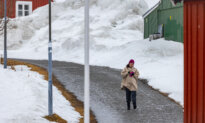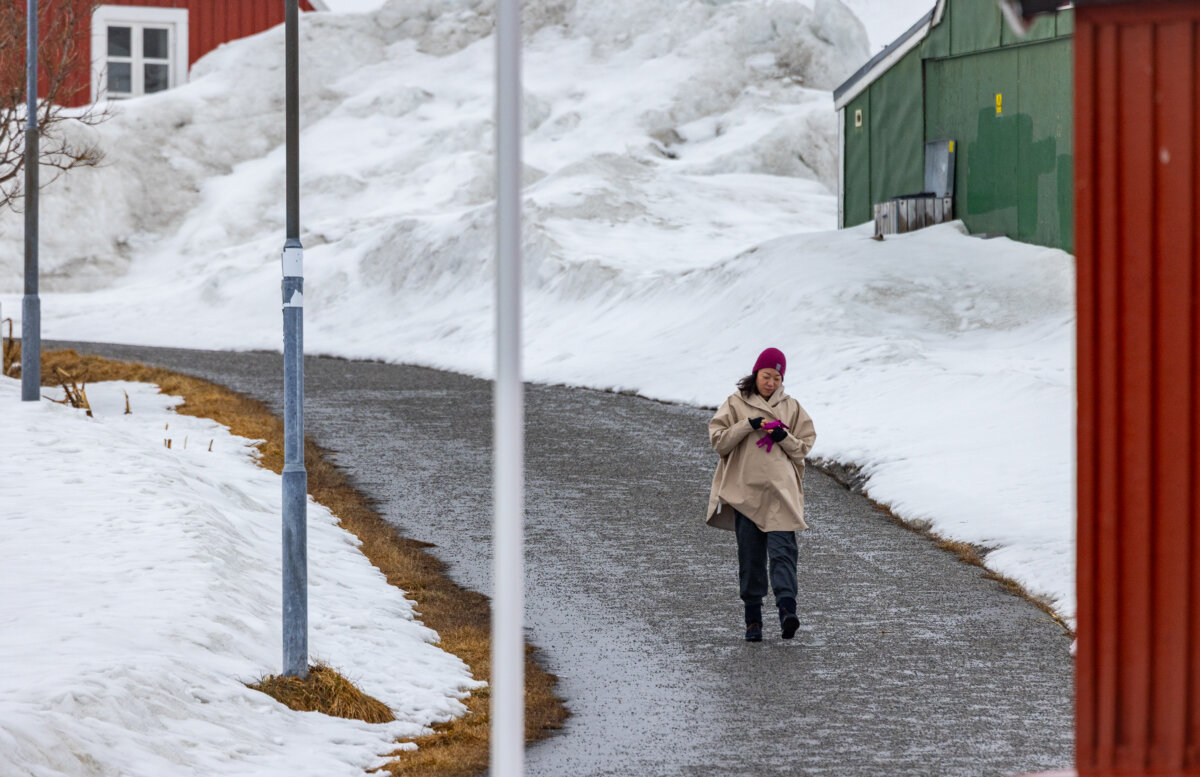

Greenland’s government has issued guidance advising residents on how to prepare for emergencies, the country’s Ministry of Nature and Environment said in a Jan. 21 statement.
The household crisis preparedness guidance is not a typical document issued on a regular or yearly basis, and it stands out for being published at a time when U.S. President Donald Trump has expressed interest in acquiring the island.
“In the event of an emergency, the Government recommends that you and your family be able to self-isolate for five days,” the government said in guidance. “If you are prepared and can take care of yourself and your loved ones, the authorities will be able to focus their energy on those who need it most and work to restore normal conditions.”
The government said it decided to set self-care recommendations for a five-day period based on assessments of risks, safety, and vulnerability, as well as expert research on the likelihood of disasters or emergencies.
The guidance cited various possible emergencies, including severe weather disruption, earthquakes or volcanic activity, cyberattacks and other technological failures, and economic disruption and political tensions between nations.
People are advised to store enough food, water, and medical supplies to last five days.
According to the guidance, three liters of water per person per day must be stored for drinking and cooking, which is 15 liters per person for five days. People who have access to freshwater, such as a river, can factor this into consideration when determining water storage, according to the guidance.
The government also asked people to store water in airtight containers and regularly replace it with fresh water. As for food, the government recommended storing the items in a dry, dark, and cool place.
In times of crisis, hunting and fishing can be valuable sources of food, and preparations can include those options as well, the guidance said.
Regarding medicines, people should store all necessary medicines and must also have a first aid kit containing important items, the government advised. In addition, hygiene kits that include toothpaste, cleaning supplies, condoms, and tampons should be stored as well.
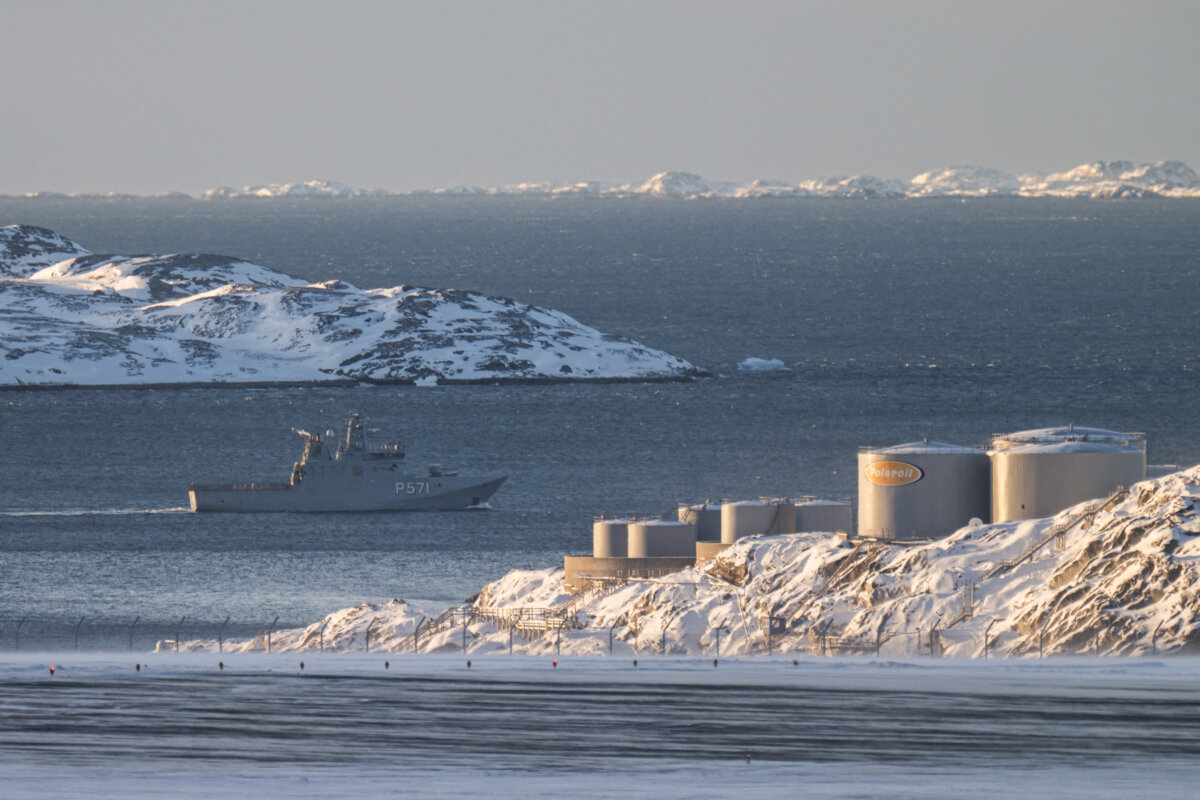
The guidance recommended taking action to make sure consistent heating is available for five days. It also recommended keeping a spare power bank or battery pack to ensure phones can be used for updates during emergencies.
“Publishing this guide is not an indication that we expect a crisis,” said Peter Borg, Greenland’s minister of fisheries, hunting, agriculture, self‑sufficiency, and the environment.
“We are providing recommendations because we believe in taking responsibility and acting while there is still time to prepare. … One of the defining strengths of our society is our ability to help each other. We know emergencies can happen unexpectedly. Being well prepared is part of our tradition, especially given our everyday experience with the unpredictability of weather and nature.”
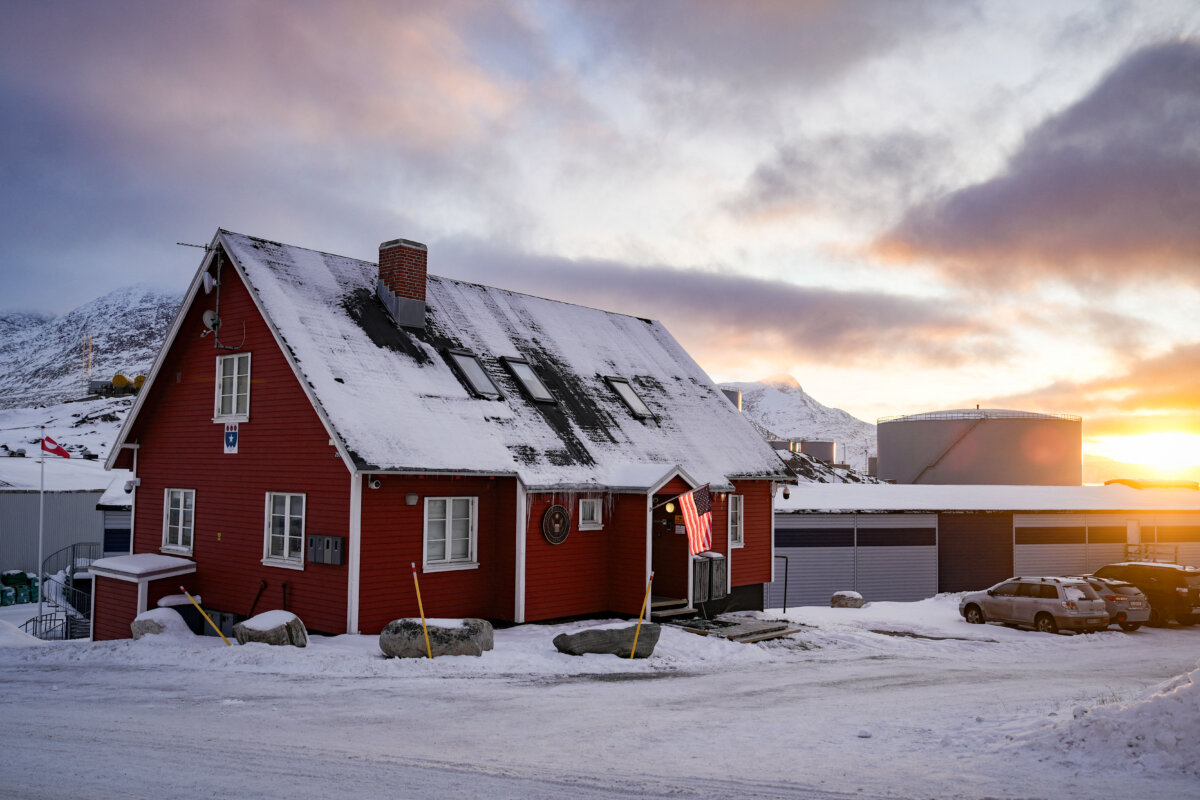
Greenland’s emergency preparation guidance was issued after the island became a disputed focal point between the United States and the European Union.
Greenland is a semiautonomous territory, with domestic matters taken care of by the islanders, while foreign affairs and defense are controlled by Denmark. It has a population of around 56,000.
Trump Rules Out Using Force to Acquire Greenland
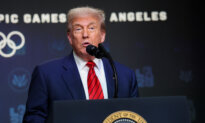
During his Jan. 21 Davos speech, Trump ruled out the use of military force in his bid for the United States to acquire Greenland.
“We probably won’t get anything unless I decide to use excessive strength and force, where we would be, frankly, unstoppable. But I won’t do that, OK,” Trump told the gathered world leaders.
Trump said his commitment not to use force is “probably the biggest statement I made, because people thought I would use force.”
“I don’t have to use force. I don’t want to use force. I won’t use force,” he added.
The island has long been a priority issue for the Trump administration, which sees it as a significant national security issue. There have been concerns about Russian and Chinese presence in the Arctic region, which makes Greenland a key location since it can be used for surveillance and tracking any threats, such as missiles, targeting the United States.
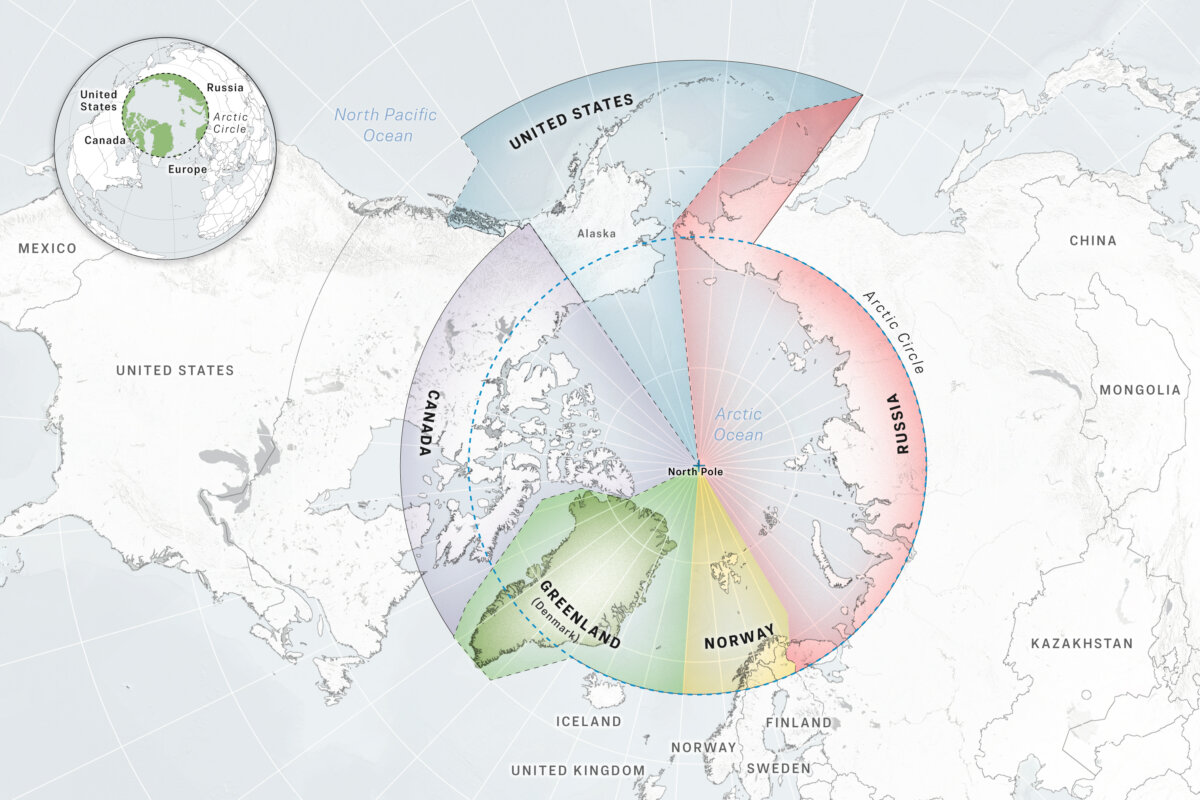
“Greenland’s geographic position places it directly beneath the shortest flight paths between North America, Europe, and Eurasia, making it a natural vantage point for monitoring air and missile activity,” Eric Cole, a former CIA officer, recently told The Epoch Times.
“Sensors based in Greenland can track aircraft, space objects, and missile launches that would otherwise go undetected until much later in their trajectory. This early detection is critical for both U.S. and NATO forces, as it expands warning times and improves coordinated response options.”
On Jan. 17, the president said Denmark, Norway, Sweden, France, Germany, the UK, the Netherlands, and Finland would face 10 percent tariffs starting on Feb. 1 until a deal for buying Greenland is reached.
After Trump met with NATO Secretary-General Mark Rutte in Davos, Switzerland, on Jan. 21, the president pulled back on that threat after signaling progress.
According to Trump, a framework for a future deal for the Arctic region was agreed upon at the meeting. Details of the agreement have not yet been made available.
Ryan Morgan, John Haughey, and Autumn Spredemann contributed to the report.
 Friends Read Free
Copy
Facebook
Tweet
Friends Read Free
Copy
Facebook
Tweet