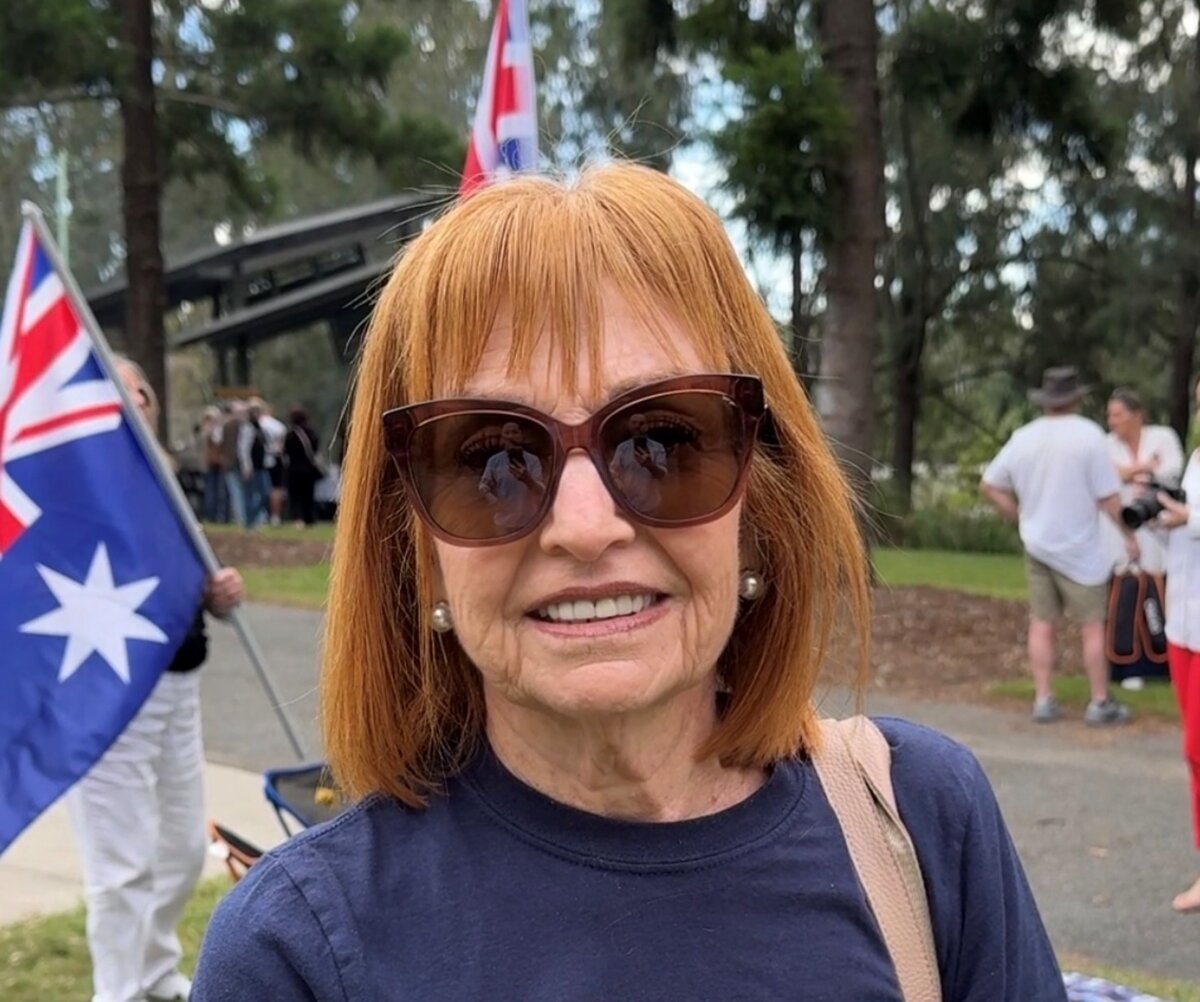


BRISBANE, Australia—A daughter of a World War II serviceman, aunt of a sailor, and great-aunt to three boys now serving in uniform, Tammy Hickey says she could not stay home and had to travel more than 12 hours to show support for Ben Roberts-Smith.
Hickey was one of dozens who turned up at Rocks Riverside Park in Brisbane’s western suburbs for a special barbecue organised by the Australia First group soon after news of Roberts-Smith’s arrest broke.
Roberts-Smith, Australia’s most decorated living soldier, faces five charges of war crime murder over the deaths of five Afghanistan nationals during his service from 2006-12. He has consistently denied and vowed to fight the charges.
One Nation Leader Pauline Hanson also attended the event, backing Roberts-Smith.
Speaking to The Epoch Times at the June 7 event, Hickey says her 12 and a half hour journey was by from the far western Queensland town of Cunnamulla.
“It was very long, but I’m good,” she said of the trip.
Hickey explained her motivations.
“Poor Ben, this is just so unjust. And my dad served in World War II, and he would be just so disgusted at the way that Ben is being treated,” she said.
“I have a nephew that served on the HMAS Brisbane and did two tour of duties. He has three sons who have followed him into the navy, and it’s just all so wrong.
“I don’t even want my great grand nephews to be in the navy now. I want them to pull out, because if this is how the government treats people, why would anyone want to join up?”
During her speech, One Nation Leader Hanson urged young Australians not to give up on joining the Australian Defence Force.
“Instead of disregarding what’s happened, I want to encourage those younger ones coming through,” she told the crowd.
“Please, if that’s where you want your life to take you, to defend and stand up for your country, please join up—so many of us will respect you for it, and love you for it because we will know what it will mean if war ever touched our shores.”
Australian Federal Police (AFP) Commissioner Kristy Barrett has pledged to investigate the presence of media during Roberts-Smith arrest at the airport, while defending her agency’s decision to take action then.
“I am not just disappointed the media outlet was there, but I am determined to find out how they knew of the arrest,” she told Senate Estimates on May 28.
Barrett also said the “sterile” environment of an airport, where people are screened and area contained, was safer for members of the public and the AFP to take action.
There were reports Roberts-Smith had offered to present himself to police, but this was “unviable” due, in part, to the seriousness of his charges, Barrett said.
The Moment That Motivated Organiser to Act
Lawrence Henzell says he was displeased with the manner of Roberts-Smith’s arrest and that was the moment he decided to take action.
“We wanted to make it a family community barbecue, and just to show support to that man. You know, 100 percent of profits … will be finding its way to his trust account,” he told The Epoch Times.
“I’m your neighbour, I’m your guy next door, I’m a family man, there’s nothing special about me, but if I can pull this together in eight weeks, then I think if we all work together we can achieve a lot.”
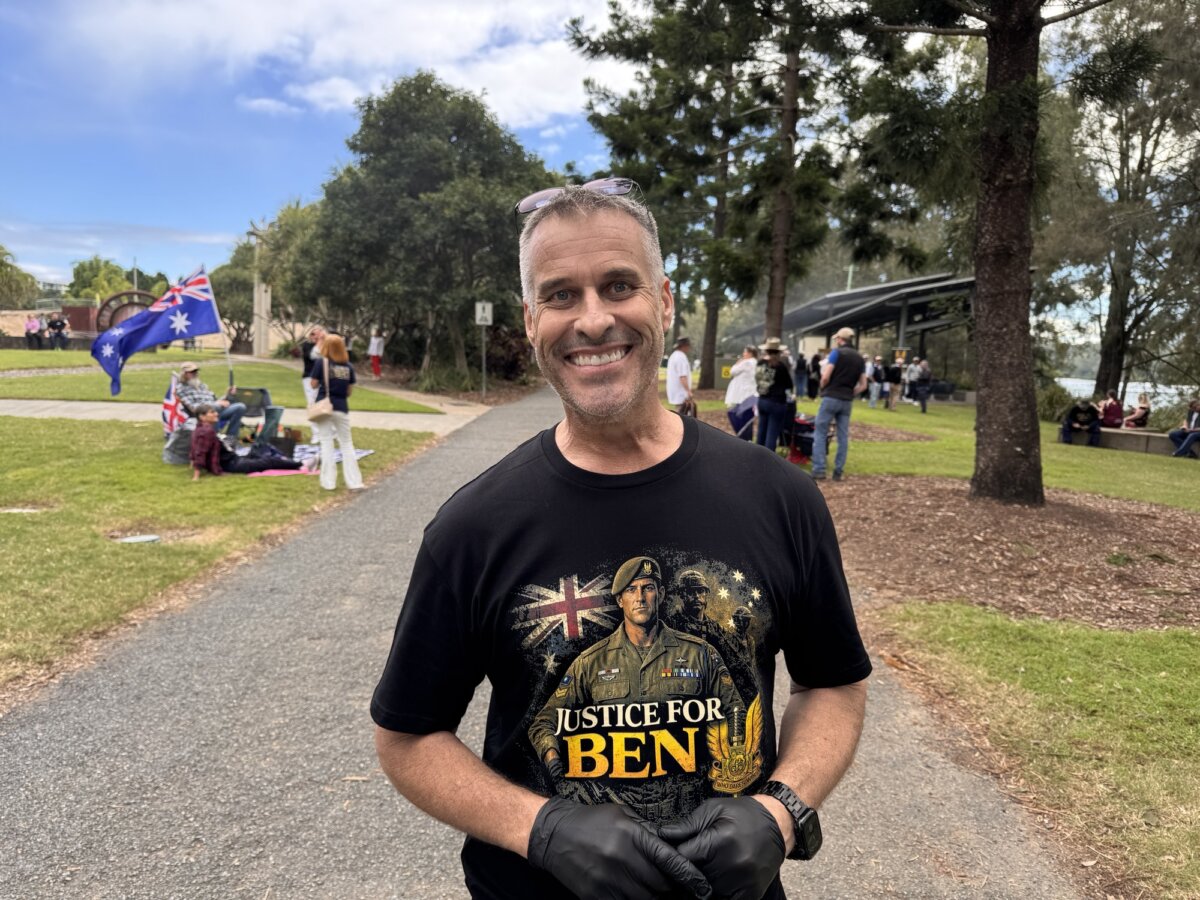
Henzell said he attended a British school in Tehran in his younger years and that helped shaped his decision to back Roberts-Smith.
“I personally have lived in Tehran, in Iran for two years. So, I was there when the Islamic regime took over [in 1979], and the shah was overthrown,” Henzell said.
He recalls the steady increase in violence as the revolutionaries took over, noting the occurrence of “small-calibre gunfire” that escalated, within a week, to heavy calibre machine gunfire.
“I was 10 and 11 years old, and I’ve got very strong memories of that, and I have a very slight understanding of the environment—the extreme heat, the extreme cold—and that man [Roberts-Smith] served his country six times, and I feel now is an opportunity for us to create an army of civilians to back him.
“So I returned to do the fight for him.”
 Friends Read Free
Copy
Facebook
Tweet
Friends Read Free
Copy
Facebook
Tweet