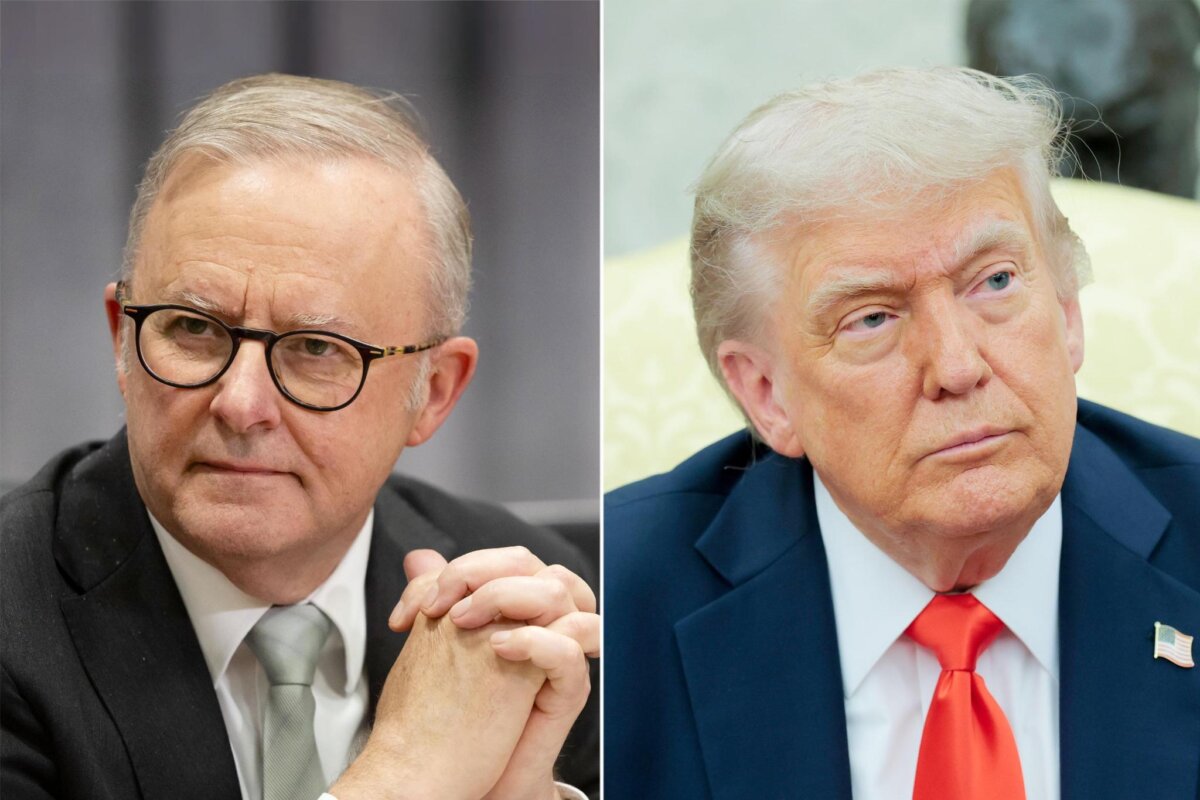

Hopes that Australian Prime Minister Anthony Albanese could finally have a face-to-face talk with U.S. President Donald Trump were dashed after the U.S. leader left the G7 summit early.
Trump’s Press Secretary Karoline Leavitt took to social media platform X to explain the president’s reasons for leaving.
“President Trump had a great day at the G7, even signing a major trade deal with the United Kingdom and Prime Minister Keir Starmer,” she said.
“Much was accomplished, but because of what’s going on in the Middle East, President Trump will be leaving tonight after dinner with Heads of State.”
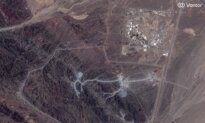
Leavitt referred to the escalating situation in the Middle East between Israel and Iran, following Israel’s pre-emptive strikes on Iranian nuclear facilities, as well as the subsequent retaliation.
There had been high hopes that Albanese could finally meet with Trump on the sidelines of the summit, with Australian leaders like opposition Deputy Nationals Leader Kevin Hogan turning up the pressure on the prime minister.
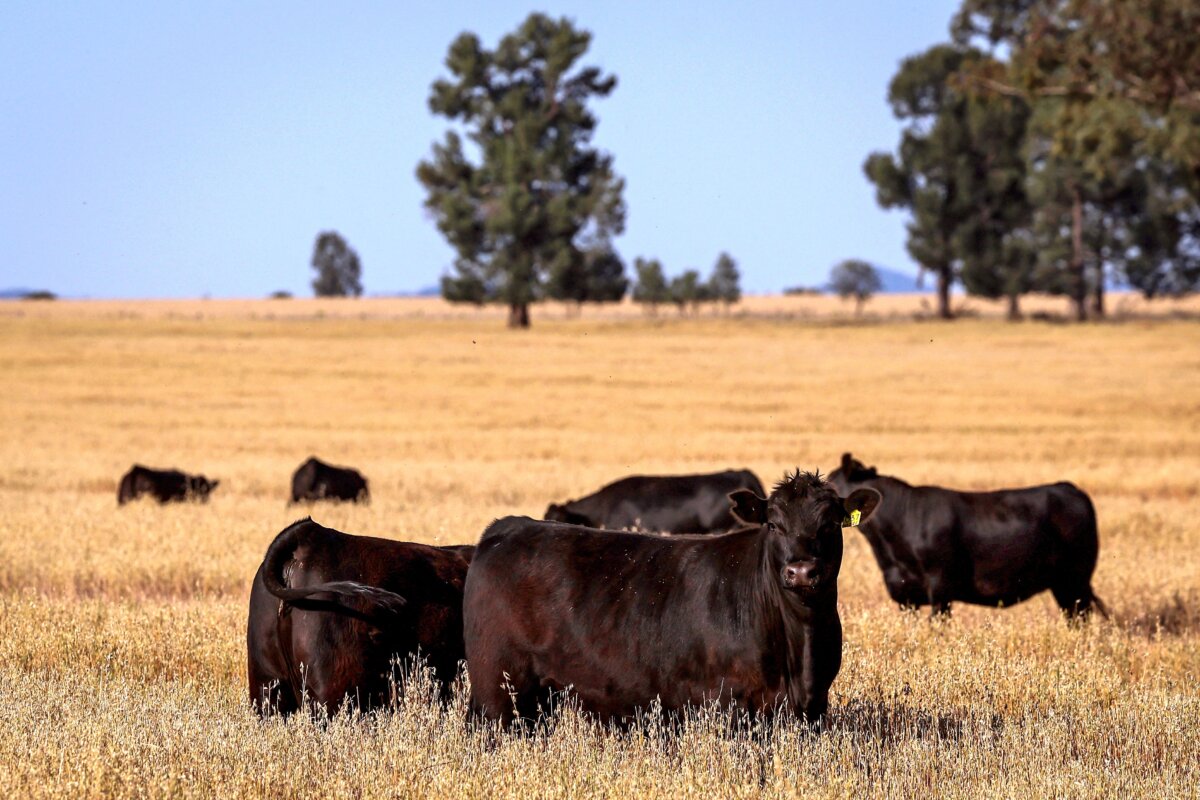
A number of burning issues need addressing, including America’s 10 percent “Liberation Day” tariffs that impact Australia’s large beef export business to the United States, or the 50 percent tariff on steel and aluminium exports.
Other matters include the potential impact of a 100 percent tariff on Hollywood productions filmed overseas, and a push for Australia to raise its defence spending to 3.5 percent of GDP.
Israel is another emerging point of contention with the United States standing firm with its ally, while the Labor government seemingly backing away from its relationship with the Middle Eastern nation.
 Friends Read Free
Copy
Facebook
Tweet
Friends Read Free
Copy
Facebook
Tweet