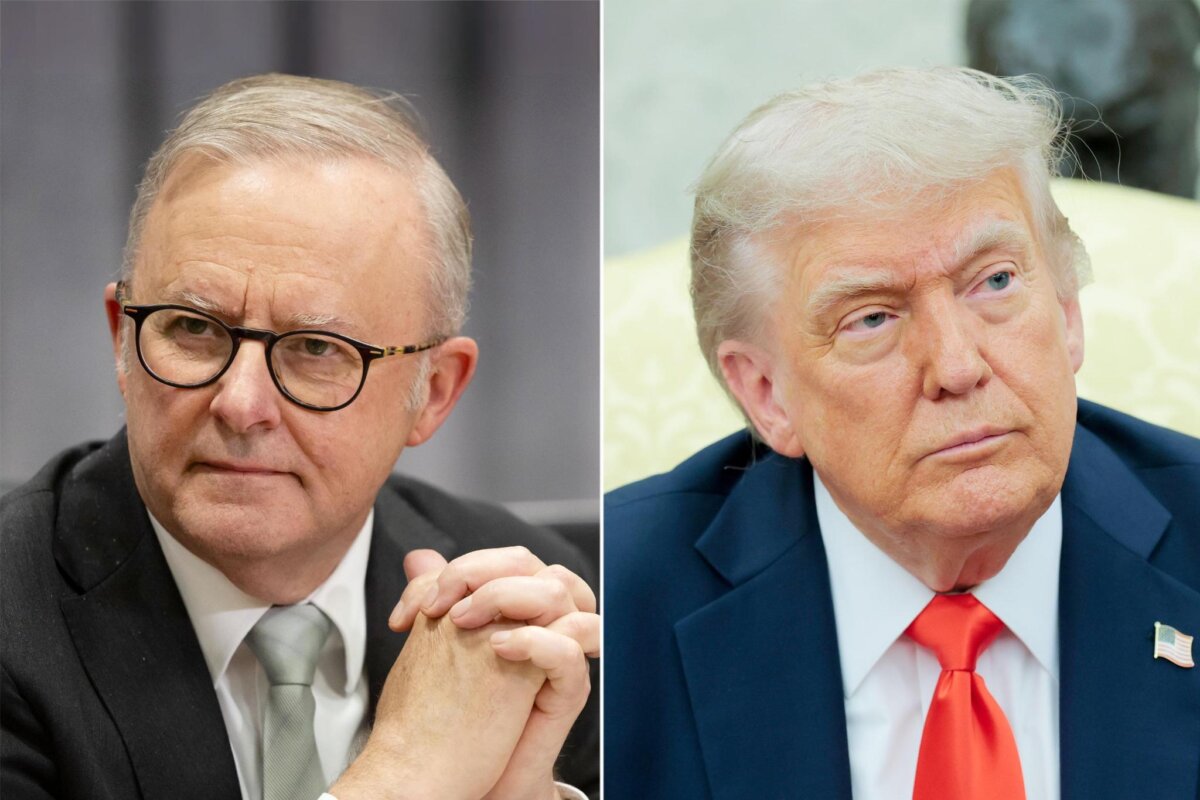

Prime Minister Anthony Albanese is under pressure to navigate a shifting U.S.–Australia alliance, as the Trump administration outlines grievances over Australia’s regulations, taxes, and its approach to defence and foreign affairs.
Below are seven burning issues the Albanese government needs to address.
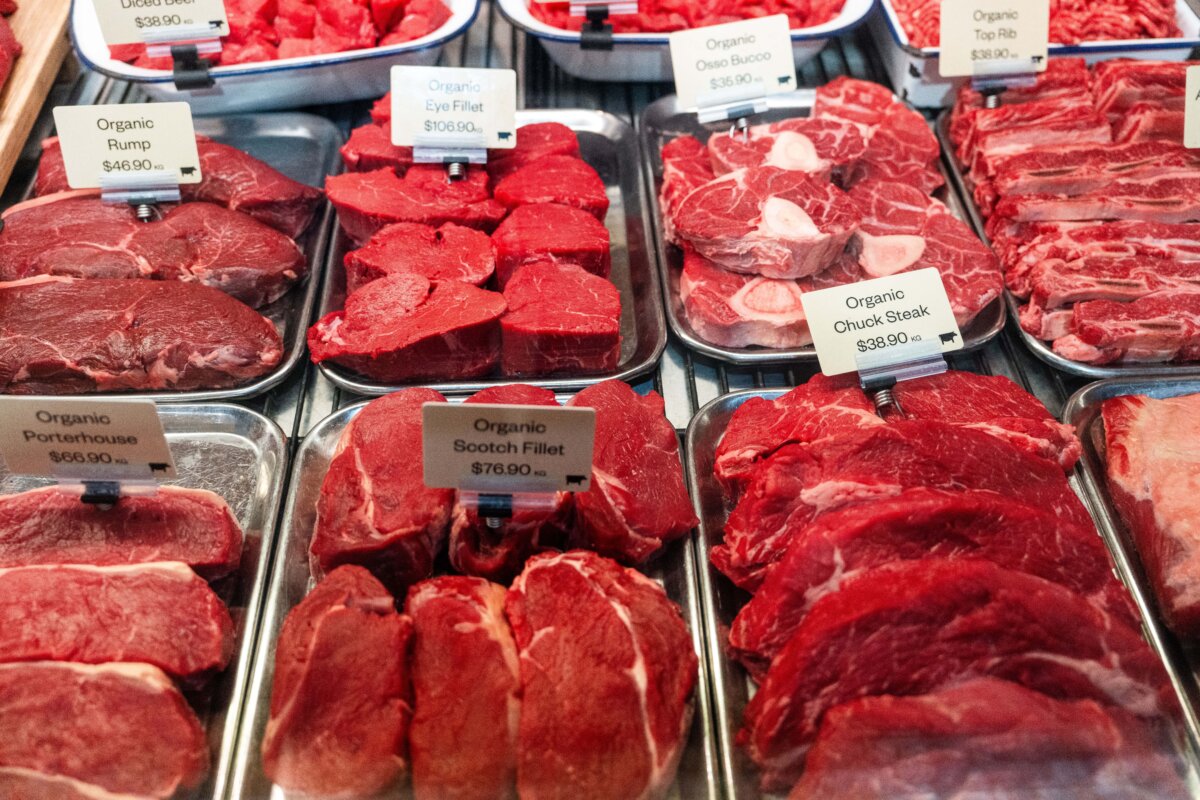
‘Liberation Day’ Tariffs on Aussie Beef
Trump’s “Liberation Day” tariffs implement a baseline 10 percent tariff on all Australian exports to America, and are the most pressing matter.
Australia and the United States have a free trade agreement, so the tariffs are not in response to any levy Australia may have implemented on U.S. goods.
Rather the tariffs are likely targeting biosecurity rules and fees that producers say have stonewalled U.S. beef imports trying to enter the country.
Under its rules, Australia refuses to take raw U.S. meat products without assurance that the cattle is produced entirely within the United States, with the Australian government concerned that Mexican and Canadian born livestock are also used.
The tariffs are a major concern for Australia given it exports about $2.9 billion (US$1.89 billion) of beef to the United States annually—the biggest beef exporter to America.
Yet Prime Minister Albanese has said Australia’s biosecurity laws are not up for negotiation, potentially limiting the scope of any discussion.
Tariffs on Steel, Aluminium
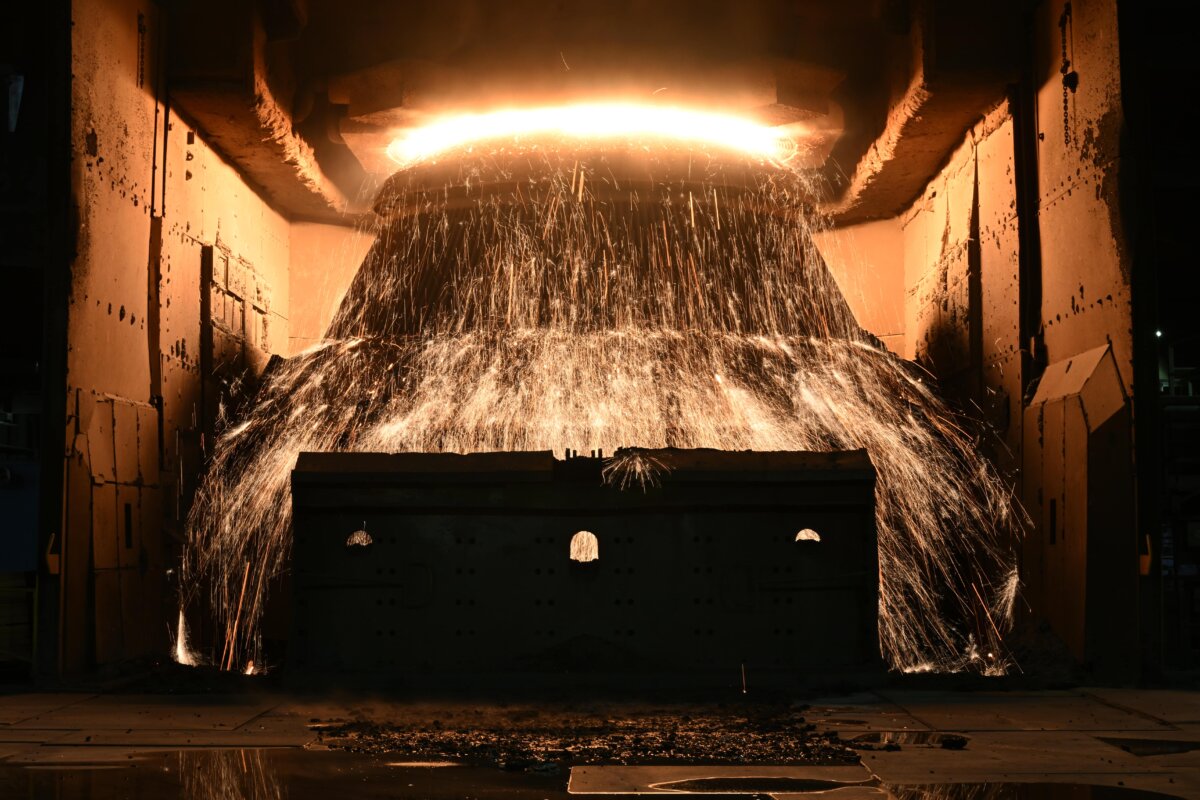
Earlier this month, Trump doubled tariffs on steel and aluminium imports from 25 to 50 percent.
“In my judgment, the increased tariffs will more effectively counter foreign countries that continue to offload low-priced, excess steel and aluminium in the United States market and thereby undercut the competitiveness of the United States steel and aluminium industries,” the president said.
Australia only exports a small percentage of steel and aluminium to the U.S. so the issue will not be as pressing.
Further, Australia’s largest steel producer, BlueScope, already has a factory in the United States.
Increasing Defence Spending
Australia’s slow increase to its defence spending has also raised eyebrows in the States.
Only two weeks ago did U.S. Defense Secretary Pete Hegseth call on Australia to up its military spending to 3.5 percent of GDP in response to an aggressive Beijing.
Defence spending currently sits at 2.03 percent in the 2024-25 financial year with a plan to reach 2.3 percent by the end of the decade.
Australia’s Defence Minister Richard Marles has acknowledged the request, while Albanese has been reticent to pledge anymore funding given the already strained state of the nation’s finances (much of the budget is devoted to welfare services).
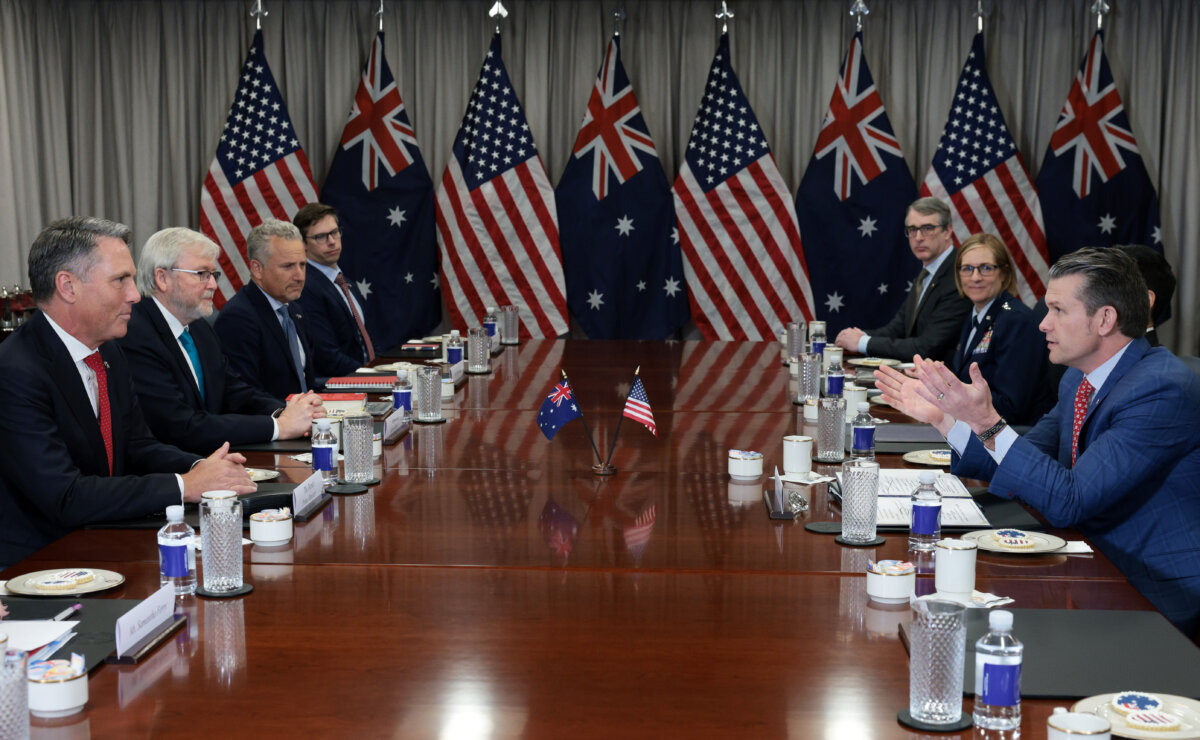
AUKUS Deal Under Review
Will the AUKUS agreement sink or swim?
It all depends who you ask, with some onlookers concerned (or gleeful) at the prospect of it being annulled, while others like Minister Marles remaining confident the Pentagon’s recently announced review into the deal is nothing unusual.
Marles believes Australia will continue its role in AUKUS, and that nuclear subs will be delivered.
Australia’s Tough Approach on Israel
The Australian Labor government’s icy approach to Israel could also be a major sore point between the nations.
Israel and the U.S. remain historic allies, while the Albanese government has taken more obvious steps recently to distance Australia from the Middle East’s only democracy.
The U.S. has reprimanded Australia on two occasions—once after Australia denied a visa to a pro-Israel tech blogger, and more recently after two elected Israeli ministers were sanctioned over their beliefs about the disputed Palestinian territories.
In both instances, representatives of the U.S. government urged Australia to reconsider its actions.

‘Unfair’ Treatment of US Big Tech Firms
Australia’s regulations and taxes on Big Tech firms could be a major focus from the U.S. perspective.
Australia, like the European Union, has a swathe of laws aimed at taxing multinational revenue, which the United States feels targets their companies disproportionately.
These include the Diverted Profits Tax, the Undertaxed Profits Tax, and the News Media Bargaining Code.
The latter forces tech firms like Google and Meta to pay media outlets for displaying their content—effectively propping up the revenue streams for several major news companies.
Tech companies have urged Trump to intervene, complaining of a US$140 million annual loss.
Further, the U.S. government’s “One Big Beautiful Bill Act” could impose a 5 percent levy on U.S.-based income or capital gains for Australian taxpayers or companies, in response to what it deems are “unfair” taxes on its companies.

Hollywood Down Under
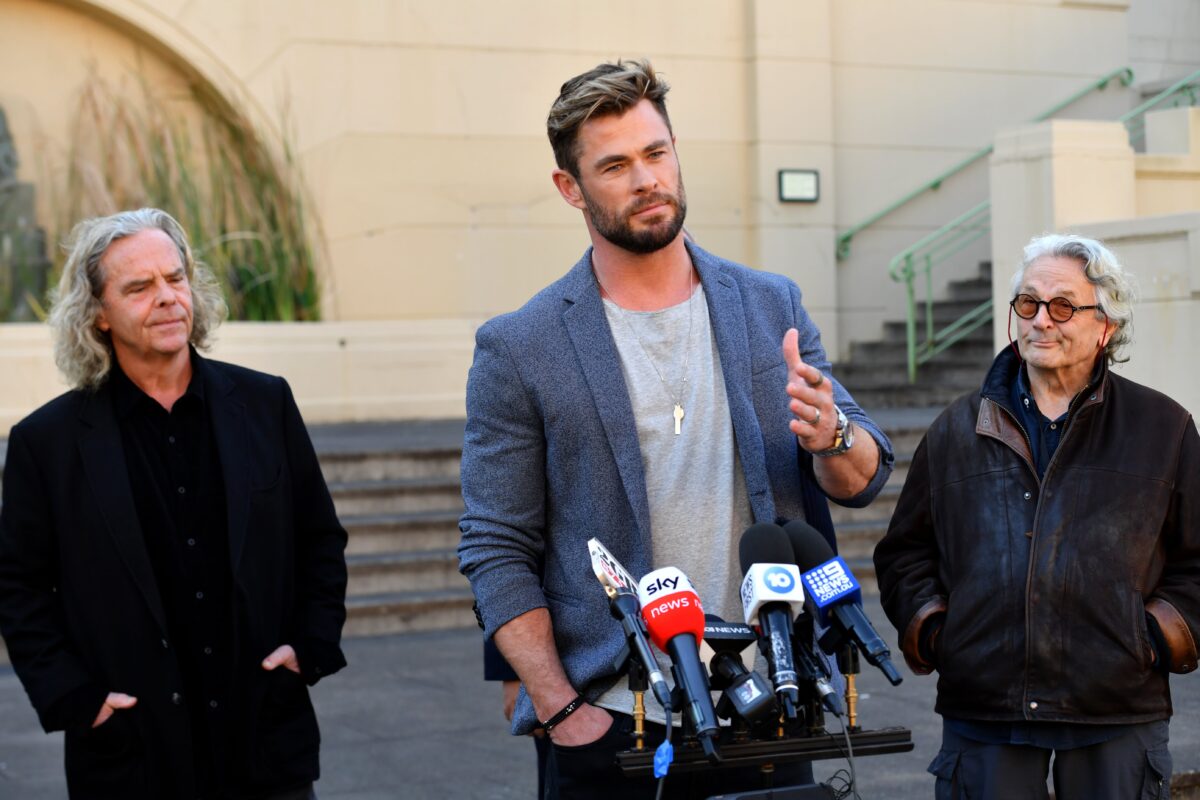
Eclectic landscapes, skilled production crews and enticing tax incentives have all made Australia an attractive destination to film big Hollywood productions, and it’s been happening for a while.
From the decades-old Matrix to this year’s Captain America: Brave New World, Hollywood seems to love filming in Australia.
But that love may not be so reciprocal, at least not from the U.S. government.
U.S. Trade Representative Jamieson Greer believes offshore Hollywood movie production is a drain on the U.S. economy, and a 100 percent tariff on American movies filmed outside the U.S. is in the works.
 Friends Read Free
Copy
Facebook
Tweet
Friends Read Free
Copy
Facebook
Tweet