A bill that aims to boost Canada’s ability to sanction foreign individuals involved in corruption and human rights abuses has passed the House of Commons.
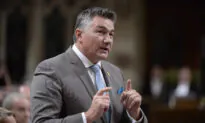
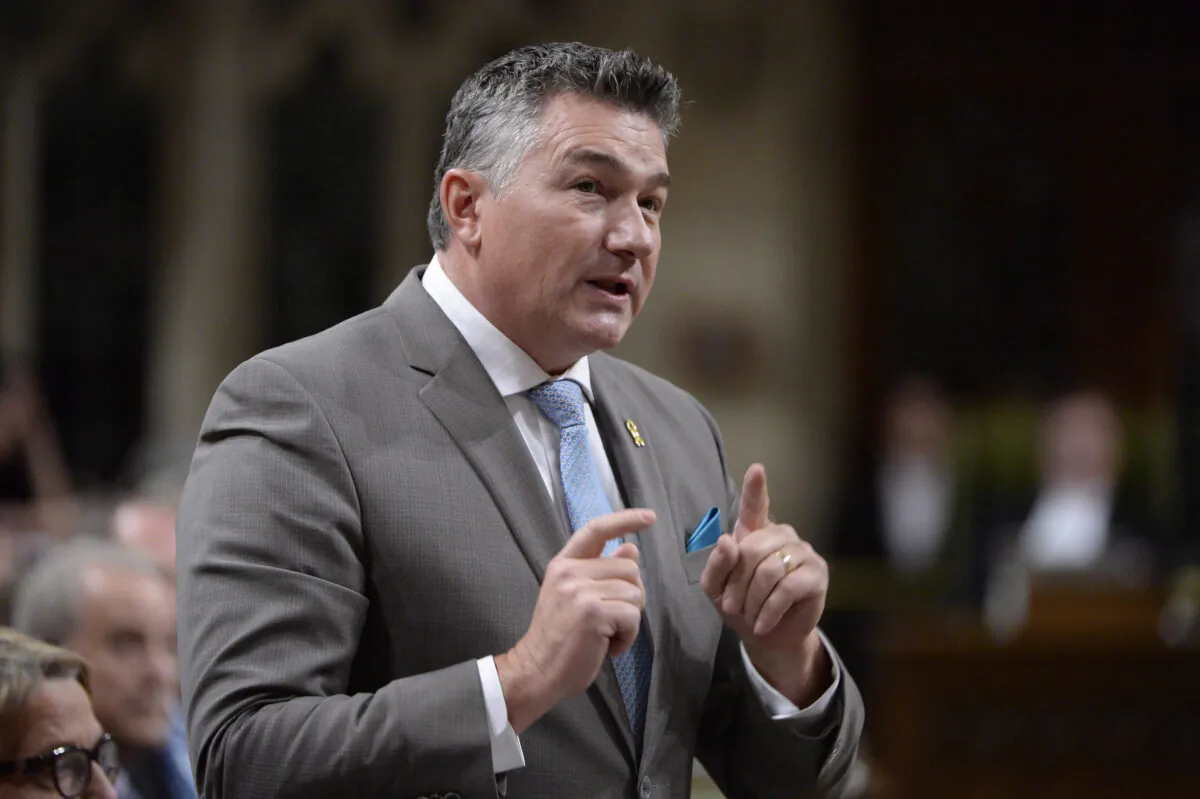
Bill C-219, entitled the Sergei Magnitsky International Anti-Corruption and Human Rights Act, was introduced in September 2025 by Conservative MP James Bezan, and passed third reading in the House on Oct. 8. It must still pass the Senate and receive royal assent before it becomes law.
The bill proposes amendments to the 2017 Justice for Victims of Corrupt Foreign Officials Act (known as the Sergei Magnitsky Act), which was also championed by Bezan, as well as several other federal laws.
It lays out expanded provisions for sanctions and enforcement against foreign officials and other individuals found to be engaged in human rights violations, transnational repression, and corruption.
“This legislation will align Canada with our allies in honouring Sergei Magnitsky’s legacy of standing up for human rights, fighting corruption and holding those responsible to account through sanctions regimes that bear his name,” Bezan said in an Oct. 9 satement.
In addition to the 2017 Magnitsky Act, the bill amends the Special Economic Measures Act, defines “transnational repression” and “prisoners of conscience” under Canadian law, and puts in place deadlines for the government to seize frozen assets that can then be used to compensate those who have been subjected to human rights violations, corruption, and threats.
Transnational repression refers to the practice of governments intimidating, targeting, or coercing individuals outside their own borders, while prisoners of conscience refers to individuals incarcerated or otherwise deprived of their freedom because of their identity or beliefs.
Bezan thanked several prominent human rights advocates including Bill Browder and Vladimir Kara-Murza for helping develop the legislation and said the law will help modernize Canada’s sanctions framework.
“Bill C-219 is critical for modernizing our sanctions mechanisms for the future,” Bezan said. “I look forward to working with my Senate colleagues to pass this legislation soon.”
In May, Bezan spoke out against transnational repression after it was revealed that officials from the Chinese Consulate in Vancouver tried to influence city officials to stop Shen Yun Performing Arts from performing at a city-owned theatre in April 2026.
Shen Yun is a U.S.-based classical Chinese dance company that presents dances highlighting traditional Chinese culture from before communism. Its artists practice Falun Gong, a spiritual practice that has been persecuted by the Chinese Communist Party since 1999.
The Vancouver performance went ahead despite an additional incident of hoax bomb threats that were traced by to a phone number based in China. Similar threats made against Shen Yun performances in Toronto led to the initial cancellation of six performances.
Bezan said the consulate’s actions in trying to stop Shen Yun’s performance were an abuse of diplomatic authority.
“It’s abuse of authority as well as the license that’s given to them as a diplomat,” Bezan told NTD, a sister media outlet of The Epoch Times.
“Let’s make sure that they’re all held to account for creating these crimes against the people of Canada.”
Canada currently has 2,623 sanctions against Russian individuals and entities, 553 against Ukraine-linked individuals and entities mainly who have been found to be supportive of Russian aggression against Ukraine, and sanctions against 502 Iranian individuals and entities, according to the latest available data from Global Affairs Canada from September of this year.
 Friends Read Free
Copy
Facebook
Tweet
Friends Read Free
Copy
Facebook
Tweet