
News Analysis
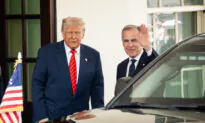
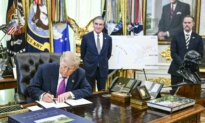
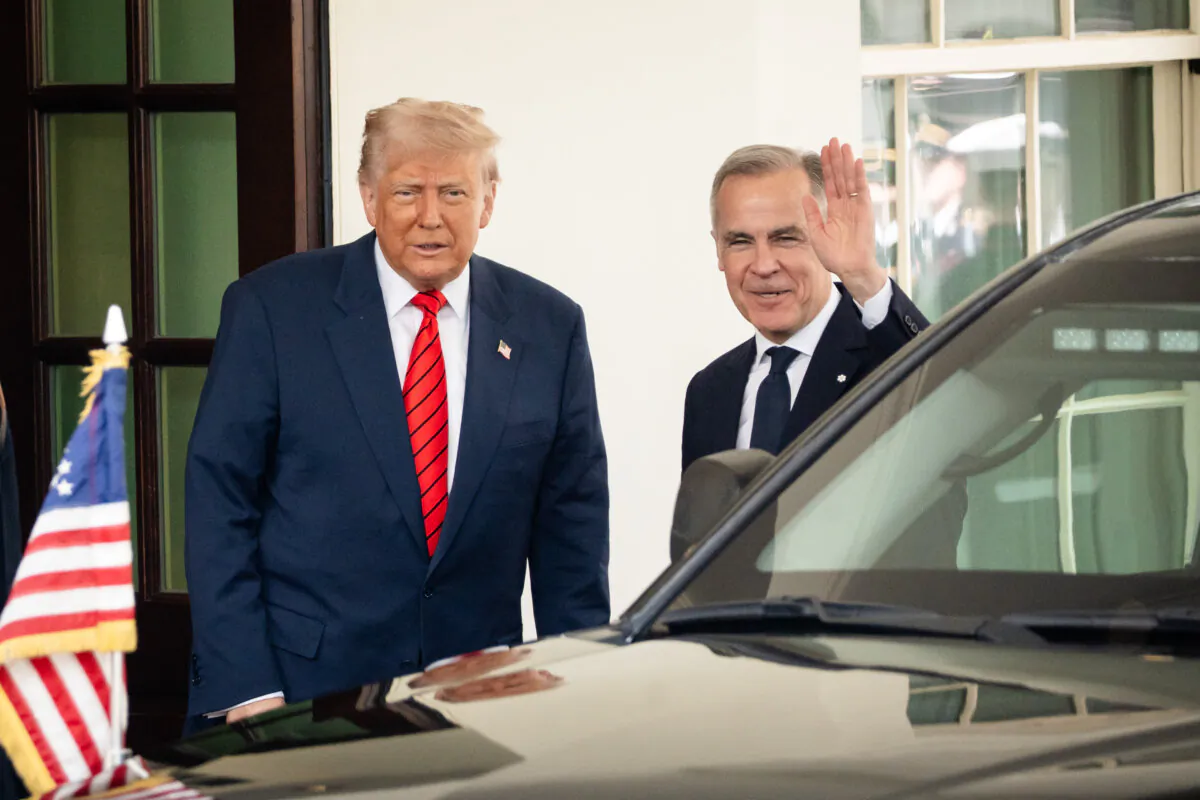
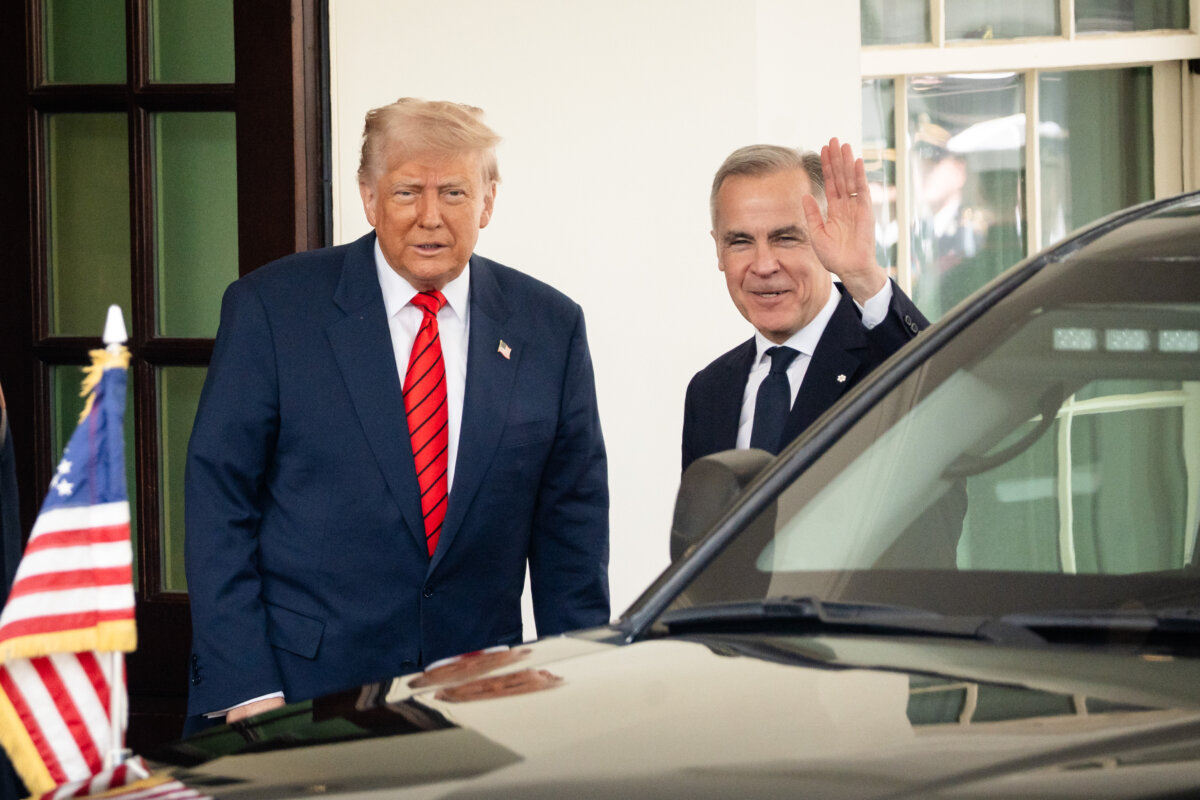
There’s a wide range of perspectives on Prime Minister Mark Carney’s performance during his meeting with U.S. President Donald Trump in the Oval Office, ranging from complete success to utter failure.
The assessment of Carney’s performance during the White House meeting on May 6 is inherently subjective and varies based on who sets the bar and goalposts.
Carney didn’t get a deal, but that, arguably, wasn’t a realistic objective. He defended Canada’s sovereignty, but Trump didn’t hesitate to elaborate on his wish to see a unified continental landmass. There was no blow-up or major drama, but Carney spoke very little compared to Trump.
What is certain is that Trump says it’s easier to deal with Carney compared to his predecessor Justin Trudeau, and that he likes Carney. This could make upcoming trade negotiations less complicated for Canada, and that is key.
Despite the hype and commentary surrounding the meeting, it is clear that uncertainty persists for those most impacted by the trade dispute between the neighbouring economies.
Carney vigorously campaigned during the election on the trade conflict and Trump’s impact on Canada, stating that the president’s actions have resulted in the “biggest crisis in our lifetimes.” Trump imposed three sets of tariffs on Canada and has repeatedly said Canada should join the United States.
Carney portrayed himself as the most qualified person to deal with Trump and his tariffs, a view that resonated with enough Canadians to win the Liberals a strong minority government. The victory came despite the party facing collapse in late 2024 under then-Prime Minister Trudeau.
In this context, the stakes were high for Carney’s first face-to-face meeting with Trump at the White House on May 6. Political observers were eagerly awaiting new developments in the bilateral relationship.
Trump wasn’t expected to have a sudden change of heart about trade with Canada simply because of the prime minister’s visit.
The president made his position abundantly clear when he said there is nothing Carney could say that would cause him to lift tariffs on Canada. That’s “just the way it is,” he told reporters when asked for an explanation.
The trade actions against Canada and the repeated remarks about making it the 51st U.S. state have come as Trump seeks to increase continental security and reorganize international trade.
On the security aspect, the Trump administration has already claimed a win regarding Canada increasing border security and defence investments.
“It’s just one concrete win after another because of President Trump’s leadership on this issue,” White House official Stephen Miller told Fox News hours after the Carney-Trump meeting, which he attended.
“What I witnessed was like watching a grand master in chess perform,” said Miller, who serves as Trump’s deputy chief of staff. “President Trump has opened up a completely new relationship with Canada because of his strength and because of his diplomacy.”
Canada announced a $1.3 billion investment in border security after Trump first threatened tariffs in November 2024. Carney also pledged to meet NATO’s defence spending guideline of 2 percent of GDP by 2030 during the campaign, two years earlier than what his predecessor Trudeau aimed for.
Wins for Canada
There was no clear expectation from Carney that he would emerge from the meeting with a major win for Canada. From the day of his first call with Trump on March 28, the plan was to meet after the election to begin “comprehensive negotiations” about the economic and security relationship between the two countries.
After the meeting, Carney told reporters the same plan remains in place when questioned about any signs indicating Trump’s readiness to renegotiate a new trade agreement.
“He’s willing to have that negotiation, I think that’s the main thing,” Carney said. “That doesn’t presuppose the outcome of the negotiation. As I’ve emphasized, this is a complex negotiation.”
If there was little expectation Carney would emerge from the meeting with a big announcement, there was perhaps an expectation from his supporters he would take a hard stance against Trump, based on how he ran his campaign.
Carney’s talking points were to make “Canada Strong,” and that Trump seeks to “break us, so that America can own us.” Carney and Liberal supporters also adopted the hockey-related “elbows up!” rallying call to portray a will to play with grit to defend against an opponent, in this case the United States.
Carney struck a different tone at the White House, heaping praise on the president in his opening remarks. He thanked Trump “above all” for his leadership and called him a “transformational president.” Carney also said he has similar objectives as Trump around the economy, security, and defence.
While some could call this hypocrisy, or playing on voters’ anxieties during the campaign, others would call it by its common name: politics.
Showing disrespect to Trump in front of world cameras would have been damaging to Canada, as was evident when Ukrainian President Volodymyr Zelenskyy visited Trump at the end of February. The two leaders sparred publicly over the Russia-Ukraine war, leading to a temporary breakdown in relations.
Trump alluded to the clash during his meeting with Carney, after Carney said that Canadians’ views will never change on not wanting to become the 51st U.S. state.
Trump said there is a conflict with Canada but it is “very friendly.” He added, in apparent reference to Zelenskyy, “we had another little blow up with somebody else, that was a much different—this is a very friendly conversation.”
Praise
Trump opened the meeting by praising Carney and congratulating him for “probably one of the greatest comebacks in the history of politics, maybe even greater than mine.”
This is noteworthy for Trump, who was known to praise his own achievements in terms of rally crowd sizes or U.S. economic performance during his first term. He also went from losing his 2020 re-election bid to surviving an assassination attempt before returning the White House with a strong mandate.
Despite praise for Carney, and indicating he thought the two could work well together, Trump didn’t back down on his talk of Canada becoming a 51st state.
He spoke about the matter at length during the meeting, repeating his opinion about the “artificial” line separating the two countries. “It would really be a wonderful marriage,” he said.
Canadians and the general public at large have become accustomed to such messaging, but it remains surreal to witness such discussions among government leaders, under the scrutiny of global media and in the seat of the world’s superpower.
It wasn’t unexpected, but at the same time, Trump didn’t hold back despite playing host to Canada’s new prime minister.
Carney managed to get Trump to agree that not all real estate is “for sale,” in reference to Canada, but failed to convince him that Canada would never become part of the United States.
“Never say never,” Trump said.
Speaking to reporters after the meeting, Carney said he asked Trump to stop calling Canada the 51st state.
“Well, look, I don’t know. He’s the president, he’s his own person,” he said when asked about how Trump had responded.
Overall, Carney didn’t get much speaking time during the 27-minute meeting. He spoke on only four occasions for a total of roughly three minutes. He attempted to interject a number of times, but wasn’t successful. When he spoke, however, he was able to make his points known.
The two leaders seemed on good terms despite their disagreements and are expected to meet again during the G7 summit in June in Alberta.
 Friends Read Free
Copy
Facebook
Tweet
Friends Read Free
Copy
Facebook
Tweet