Should more be done to legislate family responsibility in Indigenous communities?
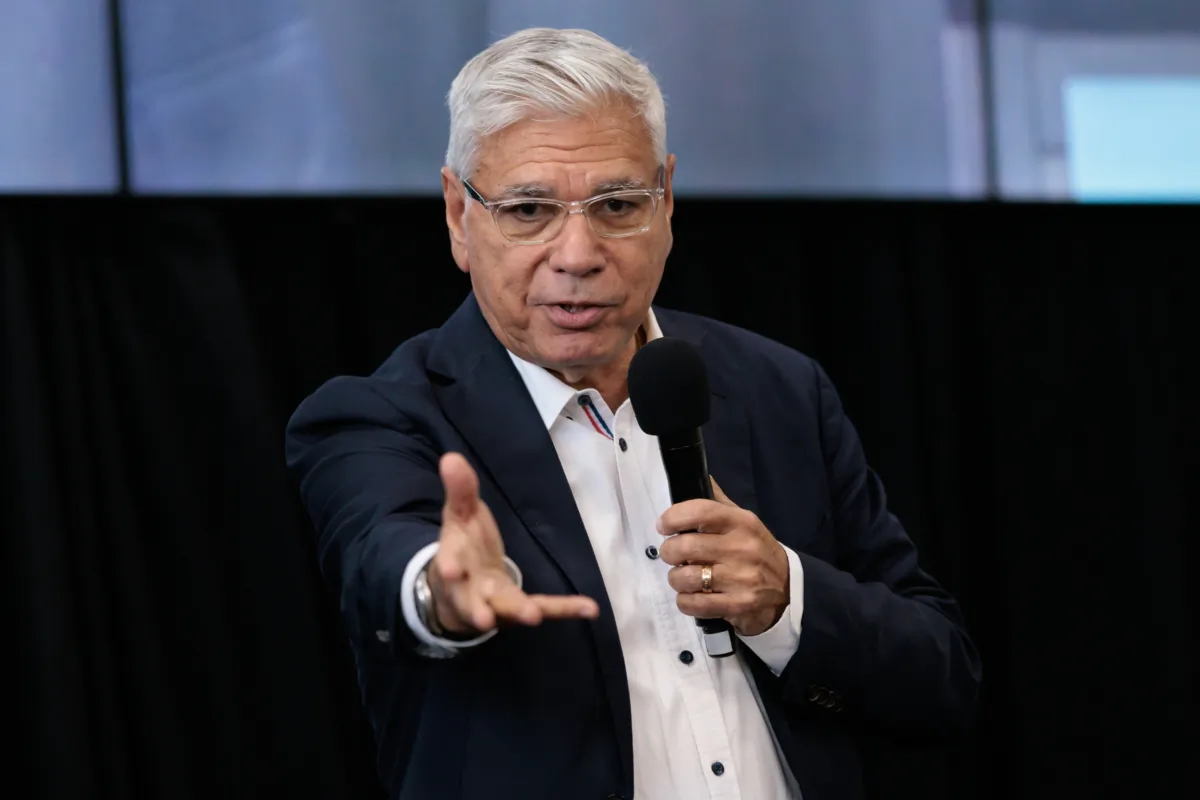
A panel of experts, including Closing the Gap research chair Gary Johns and Indigenous figure and commentator Warren Mundine, discussed the issue at the Australians for Science and Freedom conference held at the University of New South Wales on Nov. 22.
One audience member proposed the idea of a “Personal Responsibility and Opportunity Act,” which would link responsibilities, such as sending children to school, to funded opportunities.
However, Johns immediately shot it down, remarking on the overabundance of various commissions dealing with Aboriginal communities and their lack of meaningful change and transparency.
He noted that despite various commissions, the stats had not changed on hospitalisations due to violence, police notifications or school attendance.
“It’s still not working,” he said.
“I think the main problem is it’s hard to change culture.”
Johns, a former Labor MP during the Keating government, said the concept of government input was often touted as a good idea, but was far from it in reality.
“They’re seriously stupid,” he said.
“It’s about bigger control by the government.”
Instead, Johns wants the “good people” doing good work to be found and upscaled to see what is working in Indigenous communities.
In many instances, he says, government-run programs are not gleaning results, or not reporting them, despite hundreds of placements.
“There is good stuff, but you’ve got to be very careful of big, bold, bright ideas which end in a piece of legislation, buckets of taxpayers’ money,” Johns said.
Mundine agreed that governments cannot be the institutions to pass down and enforce morals and ethics.
“It’s really families, it’s really people and their individual rights,” he said.
“How do we do that? I don’t know, but the record for setting up permissions, the records for setting up family responsibility type stuff in a legislative approach just doesn’t work.
“I think simple things work.”
Mundine gave the example of bringing in a doctor who’d grown up in a poor community to talk to Indigenous high school students.
“It was just by having that Aboriginal person standing, they could see—this Aboriginal person’s a doctor, and a medical doctor,” he said.
Mundine said the change in the students’ perspective was evident by their being shown a positive role model.
“A lot of these kids are given a very negative view of the world, that they’re not going to go anywhere, and all of a sudden you can start seeing that type of those type of things, which don’t cost a lot of money, don’t have to have a government legislation,” he said.
“It’s about motivating and it’s about showing kids that no matter if you’re an Aboriginal kid … or whatever your economic status … that you can actually achieve things and do things and make your life a better life, and also for your community.”
 Friends Read Free
Copy
Facebook
Tweet
Friends Read Free
Copy
Facebook
Tweet