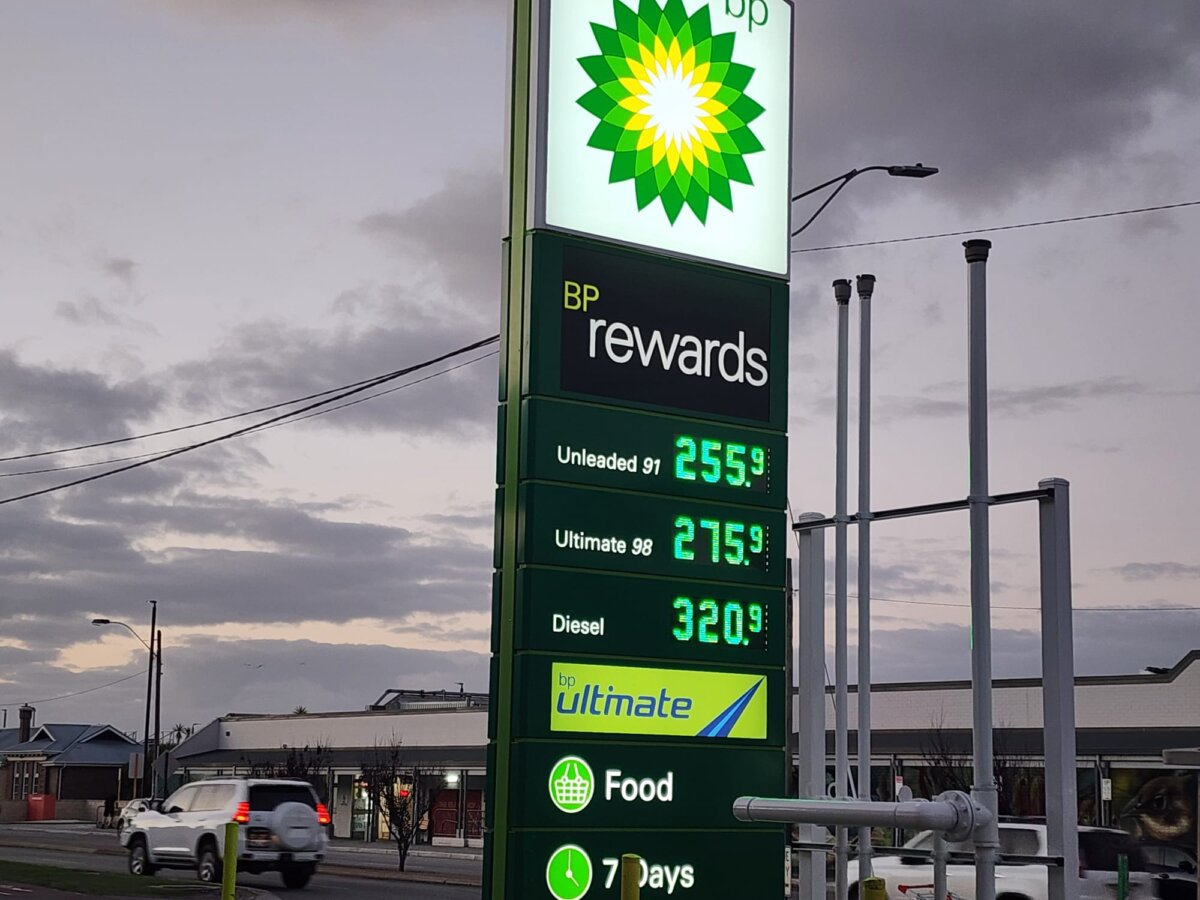

The Western Australian Labor government has activated emergency powers to gain greater control over the state’s fuel supply chains.
The new directive, aimed at curbing any supply risks from the current petrol crisis, will give authorities transparent, real-time visibility of supply across the vast state.
Since the Iran War began in late February, global oil prices have spiked as the Iranian regime puts pressure on commercial traffic through the Strait of Hormuz, which accounts for nearly 20 percent of global oil traffic.
How Will WA’s Emergency Powers Work?
The WA Labor government has activated powers under the state’s Fuel, Energy and Power Resources Act. This forces suppliers and distributors to provide information on fuel stock and distribution.
Energy Minister Amber-Jade Sanderson has sought the order from the governor to activate the powers.
“By activating powers available to me under the Fuel, Energy and Power Resources Act, I will be able to make orders compelling suppliers and distributors to provide critical information about fuel chain supplies across our state,” she said.
However, the government says the move will differ from the COVID-19 era state of emergency.
During COVID, the government had broad authority to impose lockdowns and enforce health orders under the state of emergency. However, in contrast these powers will be more targeted and limited.
They will also have legislative oversight, with parliament to be recalled on April 14.
Why is the Government Getting Involved?
Premier Cook says he’s written to the fuel industry for more information, but that only some companies complied.
“We have had success in ensuring fuel is reaching our regions, but our efforts are being hampered by not having full visibility of the fuel supply chain,” he said.
Why is Behind Australia’s Fuel Crisis?
Australia relies very heavily on imported fuel with the majority of petrol, diesel and jet fuel obtained from overseas markets in Asia, who in turn, import raw material from the Middle East.
Australia used to have eight refineries in 2000, enough for all the country’s motoring needs, but now only two refiners remain.
Due to competition from Asia, companies were incentivised to move operations overseas to more cost-effective jurisdictions like Singapore and China, rather than keep them in Australia.
The last two refineries to close was Altona and Kwinana in 2021, with the only two remaining in Brisbane and Geelong.
Criticism of the State of Emergency
Federal Opposition Leader Angus Taylor argued on April 2 that the state of emergency was unnecessary.
“You can do that without a state of emergency. You say to the oil companies, we need to have that information on a daily basis and you make that transparent. We did that during the AdBlue crisis,” Taylor said on the Today Show.
“So this is something that the government can do, it can get on with it today, it needs to be done at a national level.”
Taylor also raised concerns about a double-up of policies across different governments.
“It’s extremely confused and we’re getting now responses from state premiers which are muddying the waters on where we’re going with all of this.”
 Friends Read Free
Copy
Facebook
Tweet
Friends Read Free
Copy
Facebook
Tweet