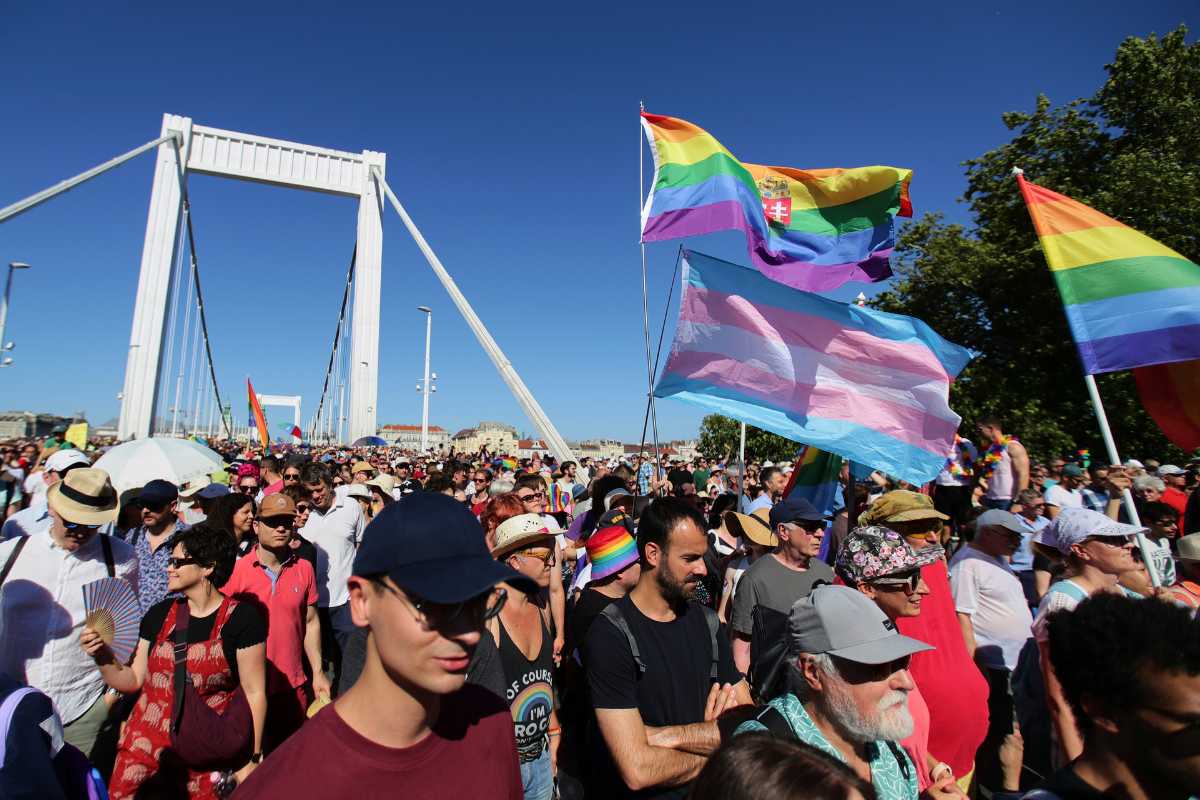

A Hungarian law prohibiting the access by minors to LGBT content violates European Union law, the European Court of Justice (ECJ) ruled on April 21.
The court said in a statement that the 2021 law, aimed at protecting children and prohibiting or restricting childrens’ access to content on transgenderism and homosexuality, “stigmatises and marginalises LGBTI+ persons.”
“Although those amendments are, according to that Member State, intended to protect minors, several of them have the effect, in essence, of prohibiting or restricting access to content having as a defining element the portrayal or promotion of deviation from the self-identity corresponding to the sex assigned at birth, of gender reassignment, or of homosexuality,” the European Court of Justice said.
The court said the restrictions Hungary placed interfered with the Charter of Fundamental Rights of the European Union.
The European Court of Justice said Hungary violated Article 2 of the Treaty of the European Union, which the statement defined as “the values of respect for human dignity, freedom, democracy, equality, the rule of law and respect for human rights, including the rights of persons belonging to minorities.”
The court said this was the first such action brought against an EU member state.
Hungarian Elections
The court also found Budapest in breach of data protection laws and of having contravened rules relating to services in the EU’s internal market.
In the statement, the court said that member states must comply with the European Court of Justice’s judgment “without delay” and if the European Commission—the EU’s executive branch—finds that Hungary has not complied with the judgment, “it may bring a further action seeking financial penalties.”
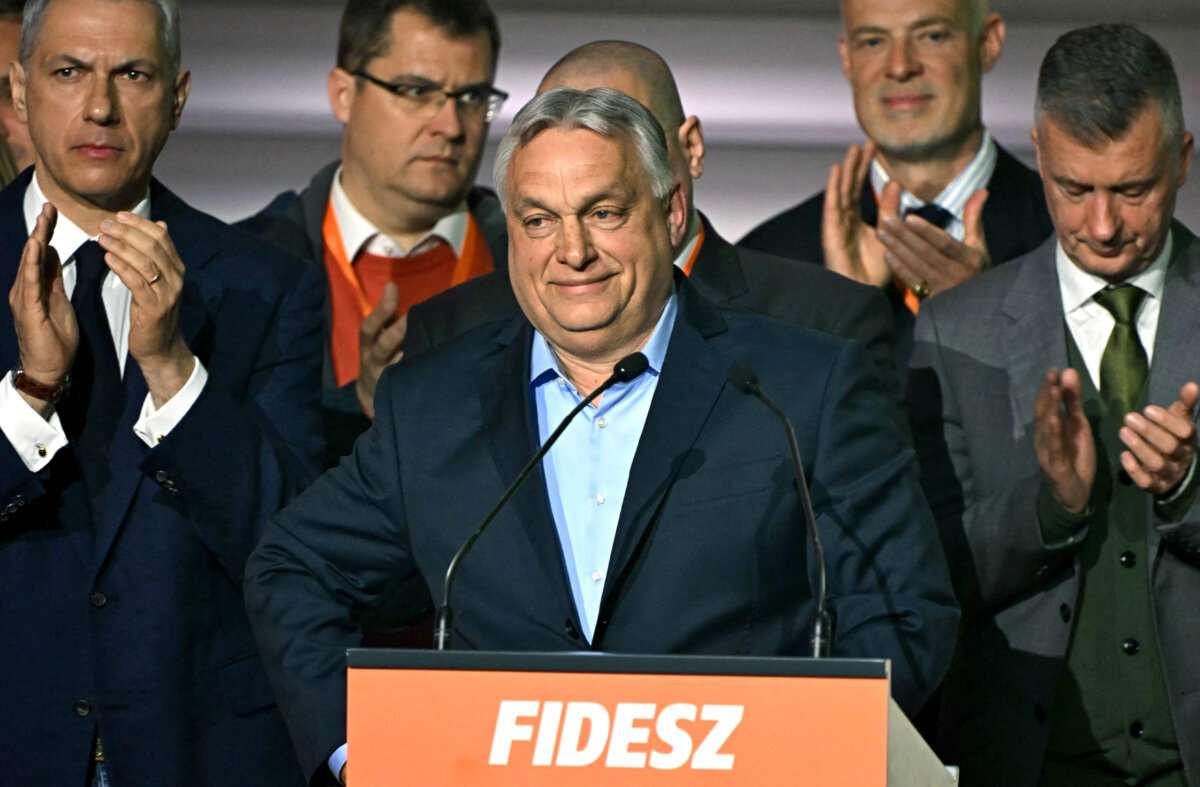
The ruling was issued a week after conservative Prime Minister Viktor Orban was defeated in a parliamentary election by opposition leader Peter Magyar, ending his 16 years in office.
Orban criticized the ECJ’s ruling, saying in a post on X said that his government “protected Hungarian children from aggressive LGBTQ propaganda.”
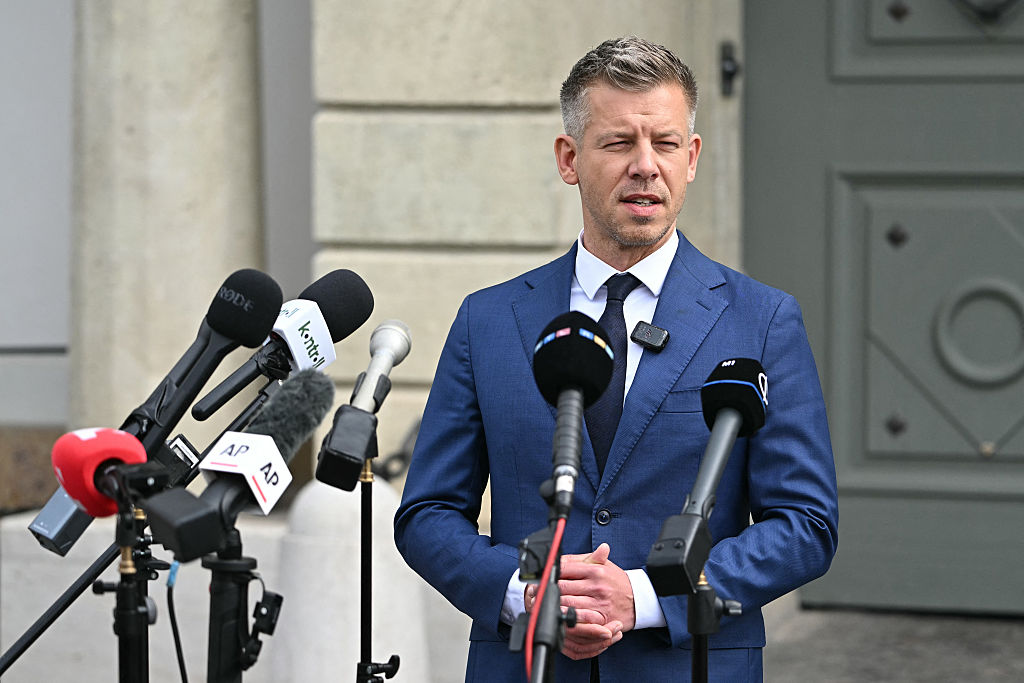
During the election campaign, Magyar, who leads the Tisza Party, was cautious about engaging in the LGBT debate. However, in his April 12 victory speech, he said Hungary would become a country “where no one is stigmatized for loving someone differently than the majority.”
Magyar and his cabinet are expected to take control of the government in mid-May. He has signaled his desire to pursue a closer relationship with Brussels.
Similar Laws
At the time the legislation was being considered five years ago, Orban’s government said it was aimed at protecting children, while LGBT activists said the measures were as discriminatory as a 2013 Russian law banning gay “propaganda.”
Other countries have in recent years similarly sought to restrict the promotion of LGBT ideology, including Belarus, which in April passed a bill criminalizing the promotion of deliberate childlessness, gender ideology, homosexuality, and pedophilia—mirroring laws of its neighboring ally, Russia.
In November 2025, Kazakhstan’s parliament passed a law through its lower house banning “LGBT propaganda” online or in the media, mandating fines for violators and sentences of up to 10 days in prison for repeat offenders.
Kazakhstan lawmaker Yelnur Beisenbayev defined “propaganda” in late October 2025 in relation to the legislation as “dissemination of information about non-traditional sexual orientation and commitment to it whether publicly or through the use of mass media … including intentionally distorted information for an indefinite number of people in order to shape positive public opinion.”
Guy Birchall, Rachel Roberts, and The Associated Press contributed to this report.
 Friends Read Free
Copy
Facebook
Tweet
Friends Read Free
Copy
Facebook
Tweet