
Iran is carrying out attacks on vessels across the Gulf of Oman and the wider Persian Gulf, as tensions escalate following U.S.–Israeli strikes on the Middle Eastern nation under Operation Epic Fury.
The incidents mark the first time targets in or near Oman have been hit since Tehran launched retaliatory strikes against Gulf states after coordinated U.S. and Israeli attacks on Iran on Feb. 28.
A Palau-flagged oil tanker under U.S. sanctions was struck on March 1 off Oman’s Musandam peninsula, injuring four crew members, according to the country’s maritime security authorities.
Oman’s Maritime Security Centre said on March 1 that the tanker, Skylight, was hit about five nautical miles north of Khasab Port in the strategic Strait of Hormuz. The center said the vessel’s 20-person crew was evacuated following the incident.
“Initial information indicates that four crew members sustained injuries of varying severity, and they were transported to receive the necessary medical treatment,” the center said in a March 1 statement shared on X.
The injured crew members included 15 Indian and five Iranian nationals.
The Skylight tanker is owned by Sea Force Inc. and managed by Red Sea Ship Management LLC, according to data from the London Stock Exchange Group.
The United States sanctioned the vessel and its management company in December 2025, accusing them of operating a so-called “shadow fleet” used to transport Iranian petroleum products in the Gulf.
Ship monitoring service Tankertrackers.com said the vessel was a small tanker typically used to fuel other ships and had been anchored near Oman’s Musandam governorate since Feb. 22.
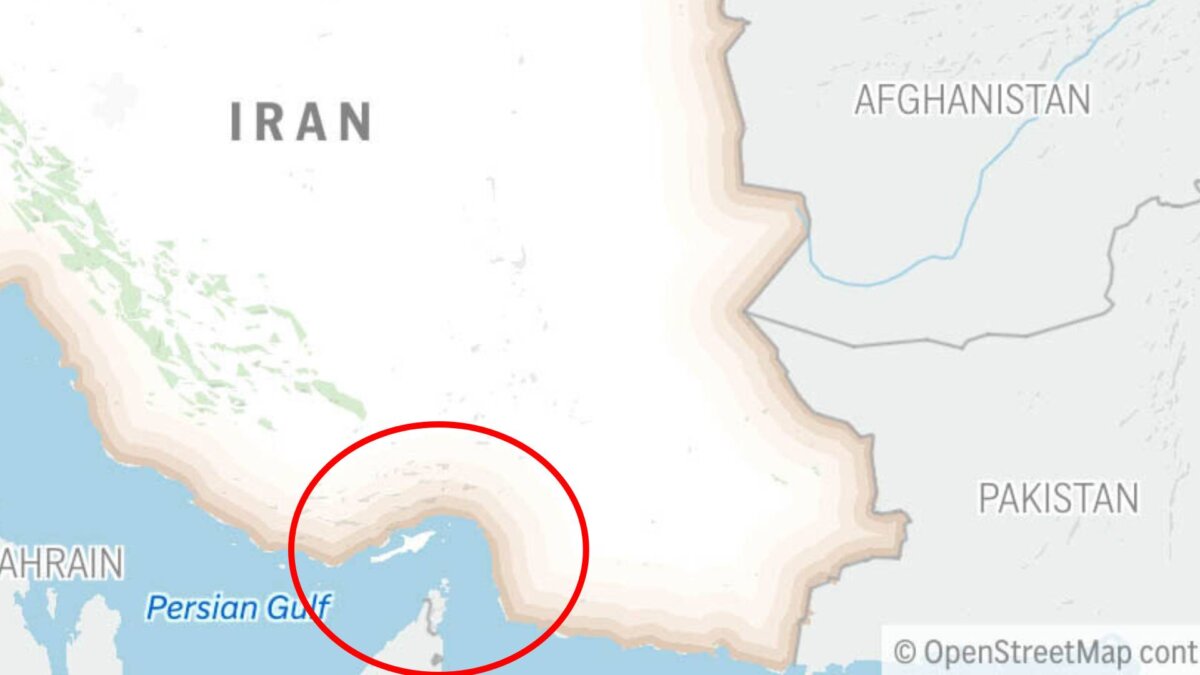
The Musandam peninsula lies along the Strait of Hormuz, a narrow waterway shared by Iran and Oman that connects the Persian Gulf with the Arabian Sea.
In a separate incident, a projectile struck the Marshall Islands-flagged product tanker MKD Vyom on March 1, while it was sailing off the coast of Oman, killing one crew member.
The vessel was carrying approximately 59,463 metric tons of cargo when it was hit, according to a March 2 statement by Oman’s Maritime Security Centre. The evacuation was carried out by the commercial vessel MV SAND, which sails under the Panamanian flag.
Drone Strikes Hit Duqm Port
Oman has also experienced drone strikes targeting infrastructure along its coastline.
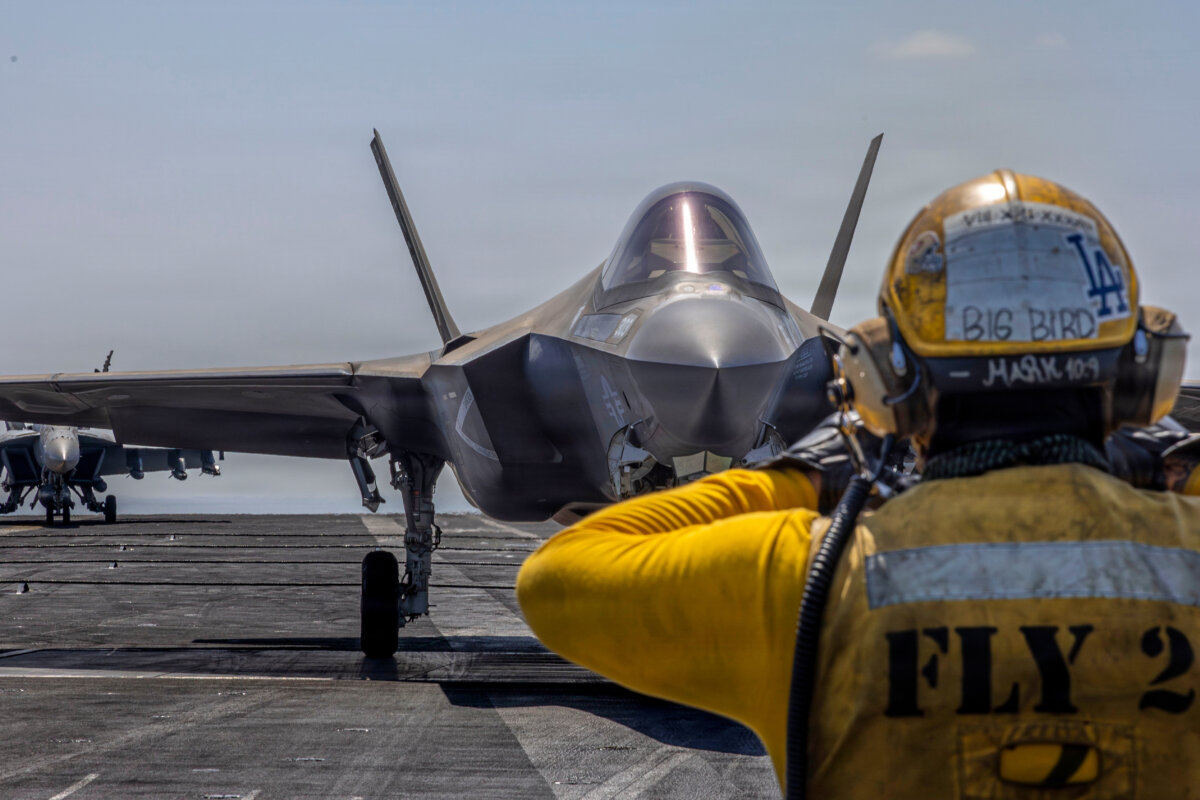
On March 3, drones struck a fuel storage tank at the commercial Port of Duqm on the Arabian Sea, where the USS Abraham Lincoln aircraft carrier is operating.
Authorities said the damage was limited and quickly contained. Oman condemned the strike and said officials were responding to the incident.
“The Sultanate of Oman affirmed its condemnation of the attack and said it is taking all necessary measures to deal with the incident,” the government said in the March 3 statement.
Before the recent escalation, Oman had been serving as a diplomatic intermediary between the United States and Iran, hosting indirect negotiations between the two countries over Tehran’s nuclear program.
Strait of Hormuz
The attacks on shipping came as Iran announced the closure of the Strait of Hormuz, one of the world’s most important energy transit routes.
Brig. Gen. Ebrahim Jabbari, an adviser to Iran’s Islamic Revolutionary Guard Corps, issued a warning on March 3 during an appearance on Iranian state television.
“The Strait of Hormuz is closed,” Jabbari said.
“Anyone who wants to pass, our devotee heroes in the IRGC navy and the army will set those ships on fire.
“Don’t come to this region.”
Concerns over security risks in the Strait of Hormuz have prompted a Japanese marine insurance mutual association to warn ships to avoid the passageway.
The Japan Ship Owners’ Mutual Protection & Indemnity Association said in a March 3 statement that vessels bound for the Persian Gulf should stay well clear of the Strait of Hormuz and remain in the North Arabian Sea.
It also advised ships currently in the Persian Gulf to seek immediate safety in neutral territorial waters, such as those of the United Arab Emirates or Oman, where possible, citing the current blockade of the strait.
“The situation remains highly fluid and unpredictable. Please act with the utmost caution, prioritising Crew Safety and Vessel Security over all commercial instructions,” the statement said.
More than 20 percent of the world’s oil exports pass through the Strait of Hormuz, which links the Persian Gulf to the Arabian Sea.
Any sustained disruption to shipping in the area could significantly affect global energy markets.
Reuters and The Associated Press contributed to this report.
 Friends Read Free
Copy
Facebook
Tweet
Friends Read Free
Copy
Facebook
Tweet